
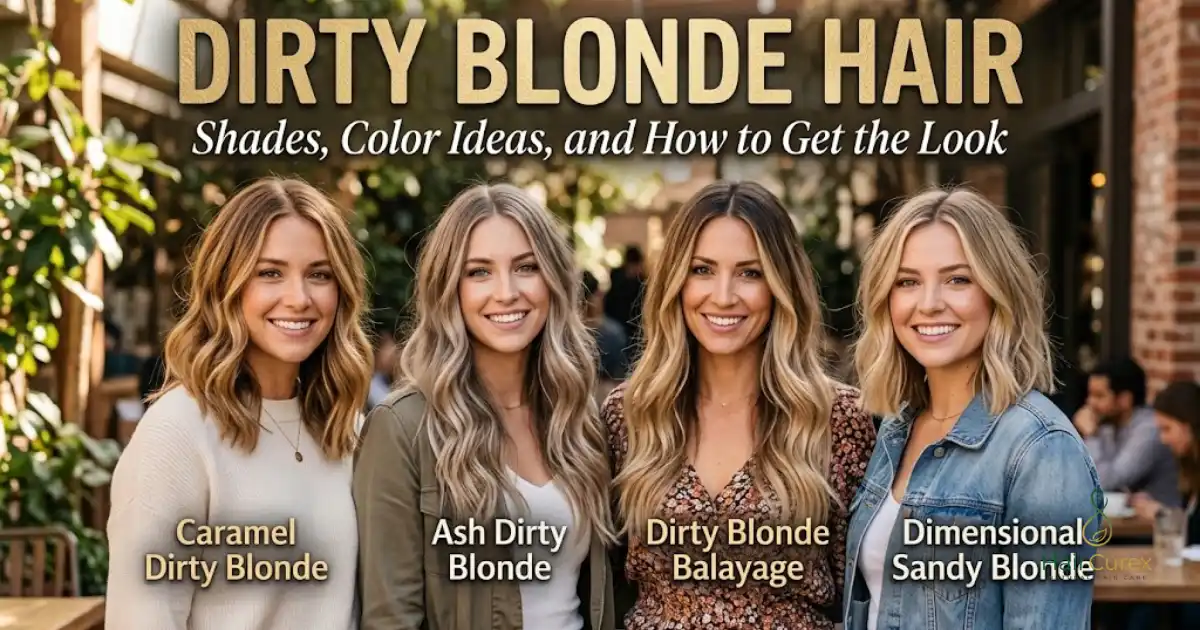
Dirty blonde hair is a hair shade that mixes light brown and blonde tones together. It looks darker than regular blonde but lighter than brown. Many people love this shade because it looks soft and natural.
Choosing a new hair color can feel like a big decision, and honestly, it should be. You’re not just picking a shade off a swatch card. You’re picking something you’ll see in the mirror every single day. That’s exactly why so many people across the USA keep landing on one color in particular: dirty blonde hair. It’s soft, it’s flattering, and it doesn’t scream for attention the way platinum or fire-engine red might. Instead, it whispers “effortlessly put together,” even on days when you rolled out of bed five minutes before you had to leave the house.
In this guide, we’ll walk through everything worth knowing about dirty blonde hair color, from what it actually looks like to how you get it and keep it looking fresh. We’ll cover shades, styling ideas, skin tone pairings, and the maintenance routine that keeps brassiness away. Grab a coffee. This one’s thorough.
What Is Dirty Blonde Hair?
Dirty blonde hair sits right in that in-between zone. It’s darker than a classic sunny blonde, yet lighter than light brown hair. Think of it as blonde that’s been muted down a notch, with hints of brown, gray, or ash mixed into the base. The name sounds a little unglamorous, sure, but there’s nothing dull about the result. Colorists often describe it as a “lived-in” blonde because it looks like something you were born with rather than something you paid for.
The term itself comes from the idea that this shade isn’t pure or golden the way a beach-blonde look might be. It has depth. It has some muddiness woven through it, which is actually the whole appeal. Natural dirty blonde hair tends to show up in people whose hair darkens with age, moving from a bright childhood blonde into something moodier and more complex by adulthood. If you’ve ever heard someone say “my hair used to be so blonde when I was a kid, now it’s this weird in-between color,” they were probably describing dirty blonde without even knowing the term for it.
What makes this color so popular in the United States right now is how low-key it feels. You don’t need to bleach your entire head to get there, and you don’t need to fight visible regrowth every three weeks. It’s a color that plays well with real life.
What Does Dirty Blonde Hair Look Like?
Picture a shade that’s part beige, part ash, and part light brown, all blended together into something that doesn’t quite fit a single category. That’s dirty blonde hair in a nutshell. It usually reads a bit darker at the roots and softens as it moves toward the ends, though it can absolutely be worn as a single, even tone too.
Under natural sunlight, dirty blonde often picks up warm, golden flecks. Indoors, under artificial light, it can look almost ashy or taupe. This chameleon-like quality is one reason people love it so much, since it never looks flat or one-dimensional. Compared to a honey blonde hair shade, which leans warmer and richer, dirty blonde is more subdued. Compared to sandy blonde hair, which carries a beachy, golden undertone, dirty blonde is deeper and slightly muted.
Here’s a quick comparison to help you visualize where dirty blonde fits among other popular blonde categories:
| Shade | Undertone | Overall Vibe |
|---|---|---|
| Dirty Blonde | Ashy, muted brown-blonde mix | Natural, lived-in, effortless |
| Sandy Blonde | Warm, golden beige | Beachy, sun-kissed |
| Honey Blonde | Warm, amber-gold | Rich, glossy, warm |
| Beige Blonde | Cool, neutral | Soft, elegant, subtle |
| Ash Blonde | Cool, gray-toned | Crisp, modern, cool-toned |
Best Dirty Blonde Hair Shades to Try
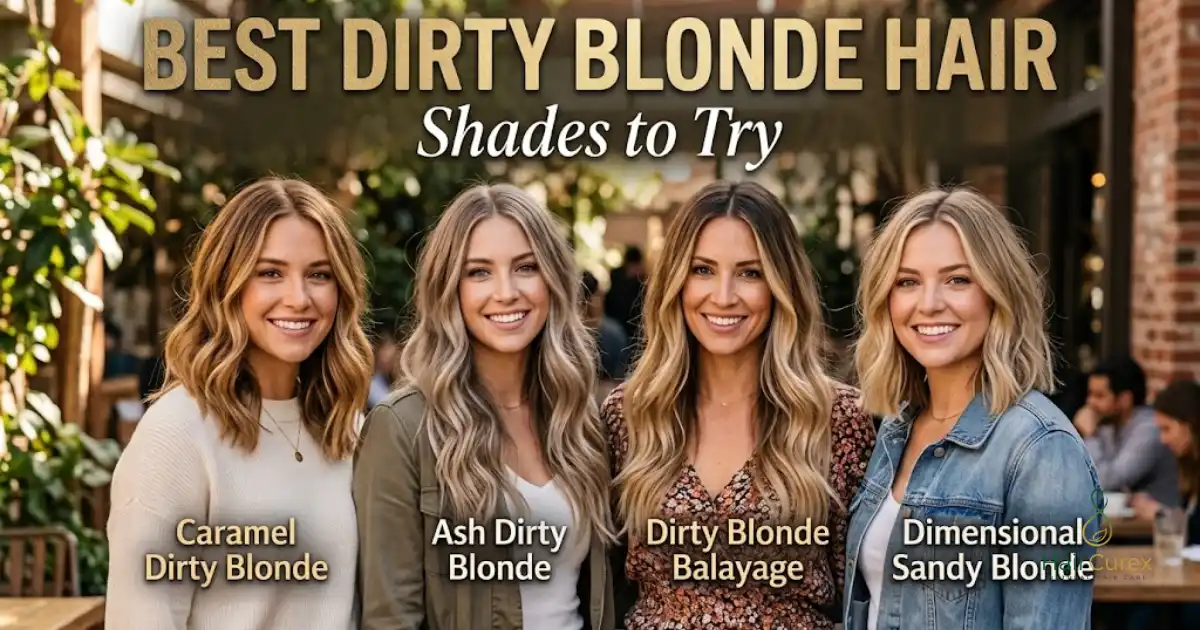
Not all dirty blonde hair colors are created equal, and that’s honestly great news, because it means there’s a version of this color for nearly everyone. Some shades lean warm, some lean cool, and some sit right in the neutral middle. Warm dirty blonde hair carries golden or caramel undertones and tends to suit people who want a sun-kissed, approachable look. Cool dirty blonde hair, on the other hand, leans ashy and gray-toned, which works beautifully for anyone who wants a more editorial, modern finish. Then there’s neutral dirty blonde hair, which balances both warm and cool tones so it never skews too orange or too silver.
Golden dirty blonde hair adds richness and shine, almost like a dimmed-down honey tone, while ash dirty blonde hair strips out the warmth entirely for a smoky, sophisticated result. Dark dirty blonde hair sits close to light brown territory and suits people who want subtlety over drama, whereas light dirty blonde hair brightens things up while still keeping that soft, undone texture. There’s also bronde hair, a genuine blend of brown and blonde that’s become something of a buzzword in salons, and it’s really just another name for a well-executed dirty blonde.
A well-known colorist once put it simply: “The best blonde isn’t the brightest one. It’s the one that looks like it grew that way.” That sentiment captures exactly why dirty blonde hair shades have such staying power. They don’t chase trends. They chase believability.
Dirty Blonde Hair Color Ideas for Every Style
Dirty blonde hair color ideas stretch far beyond a single flat shade, and that flexibility is part of the fun. Some people love a soft, all-over dirty blonde with subtle dimension woven through, while others prefer something more dramatic, like a dirty blonde ombre that fades from deeper roots into lighter ends. A dirty blonde ombre works particularly well for anyone who wants a gradual, sun-faded effect without maintaining a full head of highlights.
For a more textured, multidimensional look, many people pair their base color with dirty blonde lowlights, which add depth and prevent the hair from looking flat or one-note. Lowlights are essentially the opposite of highlights: instead of adding lighter pieces, you’re weaving in slightly darker strands to create contrast and richness. This combination of light and shadow is what gives professionally colored hair that expensive, dimensional quality you often see in salon photos.
If you’re someone who leans more brunette naturally, dirty blonde hair for brunettes usually involves a gradual lightening process, often starting with face-framing pieces before committing to a full transformation. On the flip side, dirty blonde hair for blondes who want to go slightly deeper is often an easier, gentler process, since you’re toning down rather than lifting the hair’s natural pigment. Either direction is achievable, it just depends on your starting point and how much patience you have for the process.
Dirty Blonde Hair With Highlights
Adding highlights to a dirty blonde base is one of the easiest ways to make the color feel custom and alive rather than flat. Dirty blonde highlights typically involve painting in lighter strands, whether that’s a soft beige, a warm caramel, or even a few brighter blonde pieces near the face. The goal isn’t to lighten the whole head. It’s to create movement, so the hair catches light differently depending on the angle.
Dirty blonde with highlights tends to look especially natural when the highlighted pieces are placed strategically around the face and through the top layers, rather than distributed evenly across the entire head. This technique, sometimes called face-framing highlights, draws attention to your features while keeping the rest of the color grounded and believable. Babylights, which are extremely fine, subtle highlights, have also become a favorite among people who want dimension without the commitment of chunkier foils.
Dirty Blonde Balayage for a Natural Look
Balayage, a French hand-painting technique, has become almost synonymous with natural-looking color, and it pairs exceptionally well with a dirty blonde base. Rather than using foils to isolate sections of hair, a colorist sweeps the lightener directly onto the strands, freehand, which creates a soft, graduated transition instead of a harsh line. Dirty blonde balayage typically keeps the roots slightly deeper and gradually lightens toward the mid-lengths and ends, mimicking the way hair naturally lightens from sun exposure.
One major advantage of dirty blonde balayage is the reduced maintenance. Because the color isn’t painted all the way to the root, regrowth is far less noticeable, which means you can often stretch salon visits to every three or four months instead of the standard six-to-eight-week highlight schedule. It’s a smart choice for anyone who wants that expensive, sun-kissed look without booking constant touch-up appointments.
Dirty Blonde Hair for Different Skin Tones
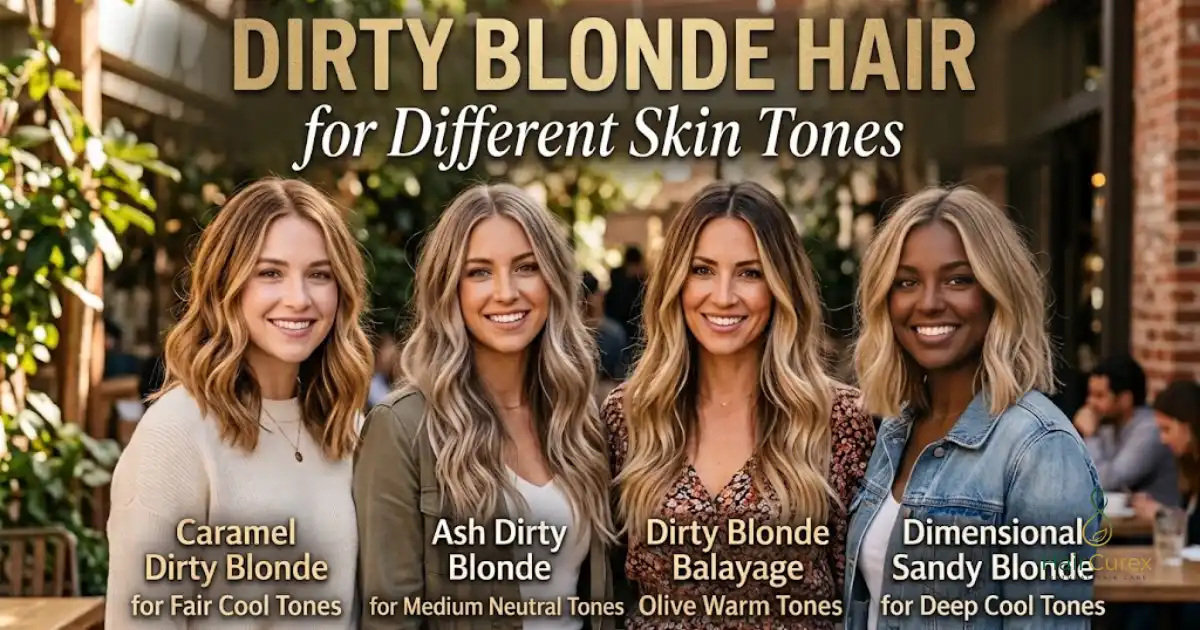
One of the best things about dirty blonde hair is just how adaptable it is across different skin tones, though certain undertones do tend to shine more with specific variations of the color. If you have fair skin with cool undertones, ash dirty blonde hair or a neutral dirty blonde hair tone usually looks the most harmonious, since it won’t clash with your skin’s pink or blue undertones. For fair skin with warm undertones, a golden dirty blonde hair shade adds warmth without overwhelming your complexion.
Medium skin tones tend to have the most flexibility, working well with nearly any variation, from warm dirty blonde hair to cooler, ashier options. Olive skin tones, which often carry green or yellow undertones, generally look stunning with warm or golden dirty blonde hair, since the added warmth complements rather than competes with the skin’s natural tone. For deeper, richer skin tones, dark dirty blonde hair with golden or caramel undertones tends to create a beautiful, glowing contrast, while overly ashy tones can sometimes wash out darker complexions.
| Skin Tone | Recommended Dirty Blonde Shade |
|---|---|
| Fair, Cool Undertone | Ash dirty blonde or neutral dirty blonde |
| Fair, Warm Undertone | Golden dirty blonde |
| Medium | Warm or neutral dirty blonde |
| Olive | Warm, golden dirty blonde |
| Deep | Dark dirty blonde with golden warmth |
Dirty Blonde Hair on Short, Medium, and Long Hair
Length changes how dirty blonde hair reads, and it’s worth thinking about before you commit to a color plan. On short hair, like a pixie cut or a chin-length bob, dirty blonde hair color tends to look incredibly crisp because there’s less surface area for the color to fade or shift unevenly. Short styles also show off subtle highlights beautifully, since every strand is visible rather than hidden under layers.
Medium-length cuts, like the ever-popular lob, strike a nice balance. There’s enough length for a dirty blonde ombre or balayage to actually show its gradual transition, but the hair still feels manageable day to day. Long hair offers the most dramatic canvas for dimension, since you can layer in highlights, lowlights, and a soft ombre effect all at once, creating rich, multi-tonal color that moves beautifully when you walk or turn your head.
Regardless of length, dirty blonde hair with dark roots has become an especially popular styling choice recently. This root-smudge technique, sometimes called a shadow root, softens the line between your natural color and your dyed length, which not only looks intentional and stylish but also stretches out the time between color appointments significantly.
How to Get Dirty Blonde Hair
Getting to dirty blonde hair usually starts with a conversation, not a bottle of dye. A qualified colorist will look at your natural hair color, your hair’s condition, and your desired end result before recommending a process. If you’re starting from a darker shade like brown or black, achieving dirty blonde hair dye results typically requires lightening the hair first, often with foils, balayage, or an all-over lightener, followed by a toner to neutralize any brassy or orange undertones that lightening can leave behind.
The toning step matters enormously. A dirty blonde hair toner is what transforms raw, yellow-lightened hair into that soft, ashy, believable dirty blonde finish. Skipping this step, or having it done poorly, is usually why some at-home dye jobs end up looking brassy or orange rather than the muted, sophisticated shade people are going for. If you’re naturally blonde already, the process is much gentler, often just requiring a demi-permanent gloss or toner to deepen and enrich your existing color without any lightening at all.
For anyone considering a dirty blonde hair transformation, professional help is genuinely worth the investment, especially for a first attempt. Salon pricing across the USA varies widely depending on region and hair length, but a full balayage or highlight service typically runs anywhere from $150 to $400, while a simple gloss or toner service is far more affordable, often falling between $40 and $90. Box dye can get you there for less money, but the risk of uneven color or unwanted brassiness is considerably higher without professional guidance.
How to Maintain Dirty Blonde Hair Color
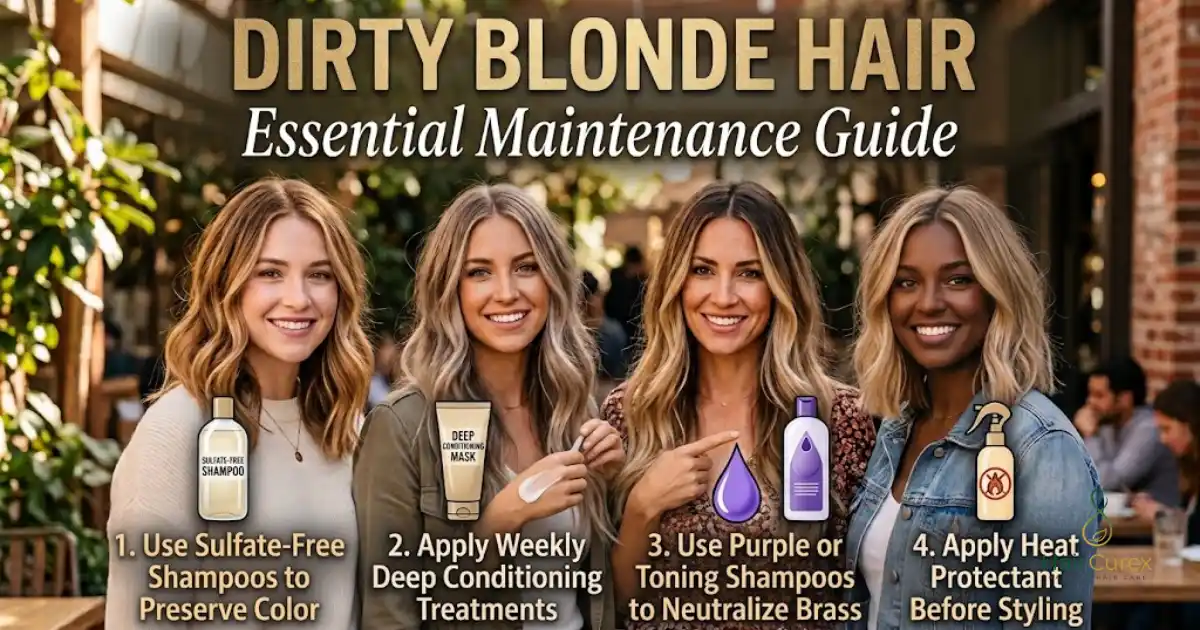
Getting the color is really only half the job. Dirty blonde hair color maintenance is what keeps it looking fresh instead of turning brassy or dull within a few weeks. The single most important habit is switching to a purple or blue-toned shampoo, since these products counteract the warm, yellow, or orange tones that naturally creep in as color-treated hair fades. Using a purple shampoo once or twice a week is usually enough to keep tones balanced without over-toning the hair into looking too gray or lavender.
Washing less frequently also helps enormously. Color-treated hair fades faster with every wash, so stretching to two or three washes a week, using dry shampoo in between, can meaningfully extend the life of your color. Heat styling is another factor worth watching closely, since blow dryers, curling irons, and flat irons can dry out lightened hair and cause the ends to look dull or straw-like over time. A heat protectant spray before any hot tool is non-negotiable if you want your dirty blonde hair to stay soft and glossy.
Deep conditioning treatments, ideally once a week, replace moisture that the lightening process strips away, keeping strands strong and less prone to breakage. Sun exposure and chlorine can also shift your tone unexpectedly, often pulling it warmer or brassier than intended, so a UV-protectant spray and a clarifying shampoo after swimming are smart additions to your routine. Most people find that a salon touch-up every eight to twelve weeks keeps their dirty blonde hair looking consistently fresh, though balayage and root-smudge techniques can often stretch that timeline even further.
Best Hairstyles for Dirty Blonde Hair
Certain hairstyles genuinely make dirty blonde hair shine, since they show off the dimension and movement that make this color so appealing in the first place. Loose beach waves are a favorite, allowing the lighter and darker pieces of the hair to catch light differently as the waves fall. Curtain bangs have also become a go-to pairing, since they frame the face and highlight any face-framing color placement beautifully.
A sleek, low bun offers a completely different mood, pulling the hair back to show off the tonal blend along the hairline and part. For those with layered cuts, a soft shag adds texture and movement that plays beautifully with balayage or highlighted dirty blonde hair, since the choppier pieces catch and reflect light in an interesting way. Even a simple half-up style benefits from dirty blonde coloring, since it shows both the lighter top pieces and the deeper, richer lengths underneath.
One reader shared her experience after switching from a flat, single-process blonde to a dimensional dirty blonde: “I didn’t realize how much my hair was missing depth until I added lowlights. It suddenly looked like my hair had a personality.” That kind of feedback comes up often, since dimensional color tends to feel more alive than a flat, single-tone dye job ever could.
Dirty Blonde Hair vs. Light Brown Hair: What’s the Difference?
These two shades sit close enough together that people often confuse them, but there are real distinctions worth understanding before you choose between them. Dirty blonde hair carries more blonde pigment overall, giving it a lighter, slightly ashier or golden appearance depending on the undertone. Light brown hair, by contrast, leans deeper and warmer, with more visible brown pigment throughout and less of that blonde brightness mixed in.
Maintenance also differs meaningfully between the two. Dirty blonde hair, especially when lightened from a naturally darker base, usually requires more frequent toning to prevent brassiness, since lightened hair fades faster and less predictably than deposited color. Light brown hair, when achieved through a deposit-only dye rather than lightening, tends to hold its tone longer and fades more gracefully, without the same risk of turning orange or yellow.
| Factor | Dirty Blonde Hair | Light Brown Hair |
|---|---|---|
| Base Tone | Blonde-dominant with brown mixed in | Brown-dominant with subtle warmth |
| Maintenance | Higher, needs regular toning | Lower, fades more evenly |
| Cost Over Time | Higher due to lightening upkeep | Lower, simpler color refresh |
| Best For | Those wanting brightness with subtlety | Those wanting depth and richness |
Choosing between the two really comes down to how much brightness you want and how much upkeep you’re willing to commit to. Neither option is objectively better. It genuinely depends on your lifestyle and your natural coloring.
Frequently Asked Questions About Dirty Blonde Hair
Is dirty blonde a natural hair color?
Yes, it absolutely can be. Many people are born with or grow into a natural dirty blonde shade, especially as childhood blonde hair darkens with age. That said, it’s also one of the most commonly recreated shades in salons for people who want the look without waiting for nature to deliver it.
Does dirty blonde hair suit darker skin tones?
It certainly can, particularly when the shade leans warm and golden rather than ashy. Dark dirty blonde hair with rich, caramel undertones tends to complement deeper skin beautifully, creating a warm, glowing contrast.
How often will I need touch-ups?
This depends heavily on the technique used. Full highlights typically need refreshing every six to eight weeks, while balayage and root-smudge techniques can often stretch to three or four months between appointments.
Can I go from dirty blonde to platinum blonde later?
Yes, though it usually requires additional lightening sessions, since platinum demands lifting the hair to its lightest possible level. It’s best done gradually to protect hair health.
Is dirty blonde hair high-maintenance?
It sits somewhere in the middle. It’s less demanding than a bright, all-over blonde, but it does require occasional toning to prevent brassiness, especially if the hair was lightened from a darker starting point.
What products best prevent brassiness in dirty blonde hair?
Purple or blue-toned shampoos and conditioners are the most effective everyday tools, alongside occasional glossing treatments at the salon to refresh the tone between full color appointments.
Conclusion
Dirty blonde hair has earned its popularity honestly. It’s flexible enough to suit nearly any skin tone, adaptable across every hair length, and forgiving enough that it doesn’t demand constant salon visits to look intentional. Whether you’re drawn to a soft, natural dirty blonde balayage, a bold dirty blonde ombre, or a simple gloss over your existing color, there’s a version of this shade that will work for you.
If you’re ready to make the change, the smartest first step is booking a consultation with a colorist who can assess your natural hair and recommend the healthiest path to get you there. Bring a few reference photos, be honest about your maintenance routine, and trust the process. Dirty blonde hair, done well, has a way of looking like it was always meant to be yours.