
Light brown hair is a shade between blonde and dark brown. It has warm, golden, or neutral undertones. Many people around the world have this hair color naturally.
This guide walks you through everything worth knowing about light brown hair. You’ll find the best light brown hair shades trending this year, color ideas matched to specific skin tones, highlight and balayage combinations, and a full maintenance routine to keep your color looking fresh. Whether you’re a natural brunette thinking about going lighter or a blonde considering a deeper, richer look, there’s something here for you.
What Is Light Brown Hair? A Complete Guide to This Versatile Shade
So, what exactly counts as light brown hair? In simple terms, it’s a shade that sits right between dark blonde and medium brown on the color spectrum. It’s darker than golden blonde but noticeably lighter than deep chocolate brown. Think of it as brown hair color that still catches the light and shows dimension, rather than reading as one flat, dark tone.
Light brown hair color isn’t just one single shade, though. It’s really a family of tones that share a similar depth level but differ in their undertones. Some versions lean warm, with golden or reddish hints running through them. Others lean cool, carrying ash or beige undertones that mute any warmth. And then there’s neutral light brown hair, which balances warm and cool in a way that suits almost anyone.
Natural light brown hair is also incredibly common. If you look around, you’ll notice it’s one of the most widespread hair colors in the world, which is part of why it feels so approachable. It doesn’t scream for attention the way platinum blonde or jet black might. Instead, it offers a soft, lived-in look that many people already have naturally, making it one of the easiest colors to maintain since root regrowth blends in more smoothly than with drastic color changes.
One reason colorists describe light brown as a “chameleon” shade is because it shifts depending on lighting. Under direct sunlight, light brown brunette hair can look almost golden or caramel. Indoors, under warmer lighting, the same hair might read as a deeper mocha brown hair tone. This adaptability is a huge part of its appeal.
Here’s a quick breakdown comparing light brown hair to its closest color neighbors:
| Hair Color | Tone Level | Typical Undertone | Maintenance Level |
|---|---|---|---|
| Dark Blonde | Lighter than light brown | Golden, beige | Moderate (frequent toning) |
| Light Brown | Mid-range | Warm, cool, or neutral | Low to moderate |
| Medium Brown | Slightly darker than light brown | Warm or neutral | Low |
| Dark Brown | Darkest of the three | Cool or neutral | Very low |
Best Light Brown Hair Shades to Try in 2026
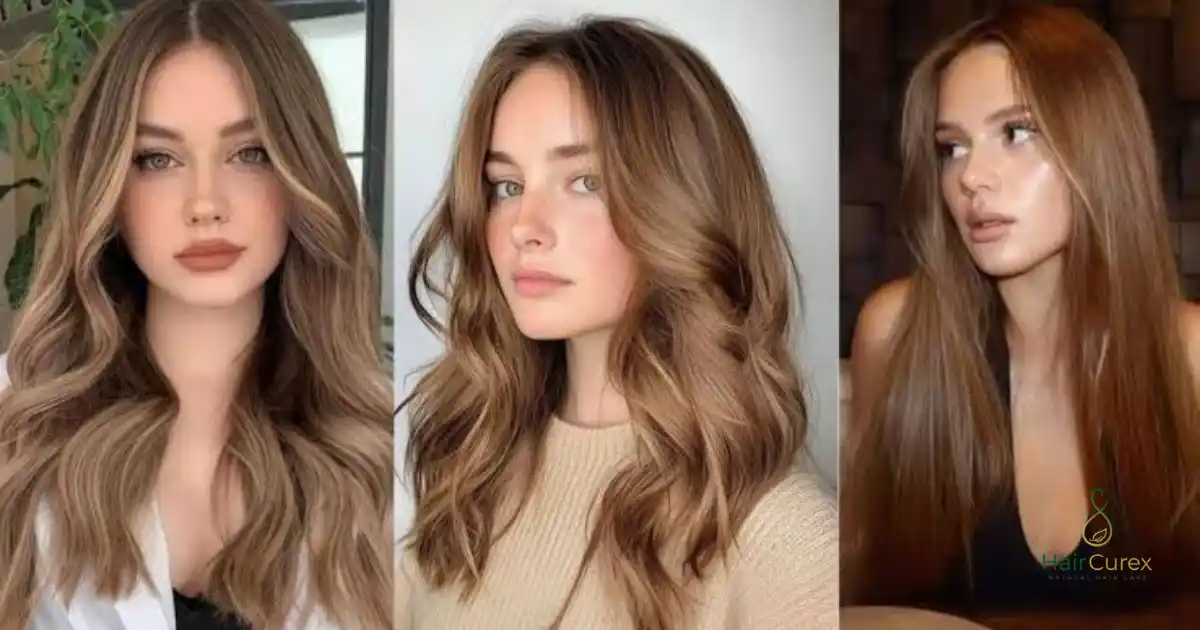
Trends shift every year, but light brown hair color ideas have stayed remarkably consistent because they simply work. That said, 2026 has brought a few standout shades that colorists keep requesting behind the chair.
Honey brown hair remains one of the top choices this year. It combines a warm golden base with soft caramel undertones, creating a shade that looks sun-kissed even in the middle of winter. It’s particularly popular among people wanting a natural light brown hair look that still has visible warmth and glow.
Ash light brown hair has grown in popularity too, especially among people who run warm and want to cool things down. This shade strips out red and orange undertones, leaving a smoky, muted brown that pairs beautifully with cooler skin tones. It photographs well in natural light and tends to fade in a way that still looks intentional.
Caramel brown hair brings a richer, almost dessert-like quality to light brown hair color. It’s warmer and slightly deeper than honey brown, often used as a balayage or highlight shade rather than an all-over color, though plenty of people wear it as a base too.
Golden brown hair leans heavily into yellow-based warmth. It’s a favorite for people with golden or peachy undertones in their skin, since it echoes those same warm tones in the hair.
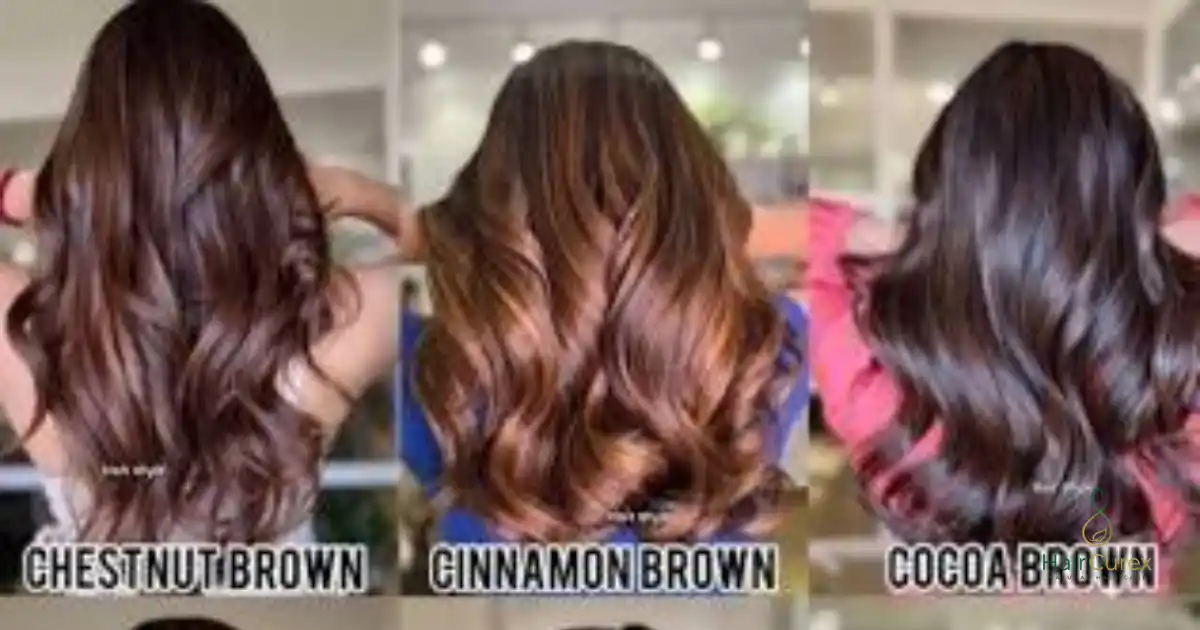
Chestnut light brown hair offers a slightly reddish-brown quality, somewhere between auburn and standard brown. It’s a great option for anyone wanting a bit of richness without going full copper or red.
Mocha brown hair and chocolate light brown hair both sit on the deeper end of the light brown spectrum, closer to medium brown but still light enough to avoid looking harsh or flat. Mocha tends to have a slightly grayish, muted quality, while chocolate light brown hair leans warmer and glossier.
Finally, mushroom brown hair and beige brown hair have carved out a niche for people who want something trendy and slightly unconventional. Mushroom brown combines ash and taupe tones for a soft, grayish-brown finish, while beige brown hair leans lighter and creamier, almost like a toned-down blonde.
| Shade | Undertone | Best For |
|---|---|---|
| Honey Brown | Warm, golden | Sun-kissed, natural finish |
| Ash Light Brown | Cool, smoky | Cooler skin tones, reducing brassiness |
| Caramel Brown | Warm, rich | Highlights, dimension |
| Golden Brown | Warm, yellow-based | Warm or peachy undertones |
| Chestnut | Warm, reddish | Richness without full red |
| Mocha Brown | Neutral, muted | Deeper, subtle brown |
| Chocolate Light Brown | Warm, glossy | Glossy, deep brown look |
| Mushroom Brown | Cool, taupe | Trendy, understated tone |
| Beige Brown | Neutral, creamy | Soft, blonde-adjacent brown |
Light Brown Hair Color Ideas for Every Skin Tone
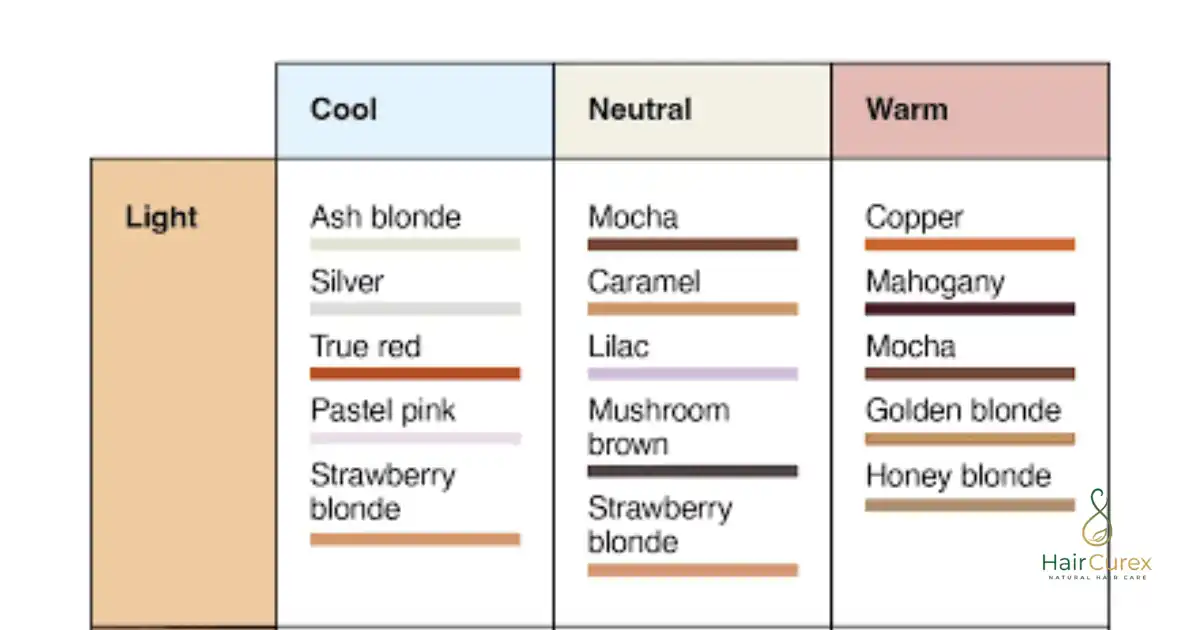
Choosing the right light brown hair color ideas for women (and honestly, for everyone) often comes down to one factor: skin tone. Get this match right, and your hair color will look like it was made for you. Get it wrong, and even a gorgeous shade can wash you out or clash with your complexion.
If you have fair skin, you’ll generally want to steer toward cooler or neutral tones. Ash light brown hair or beige brown hair tends to work beautifully here, since fair skin often has pink or cool undertones that pair well with muted brown shades. Warmer tones like caramel or golden brown can still work, but they’re best kept subtle, perhaps as highlights rather than an all-over color, to avoid overwhelming a lighter complexion.
Medium skin tones have a lot of flexibility. Light brown hair for medium skin tone often looks stunning in warm shades like honey brown or golden brown, since medium skin tends to have enough natural warmth to complement these tones without looking overdone. Neutral light brown hair also works well here, offering a balanced, no-fuss option.
Olive skin tones pair especially well with warm, golden hues. Light brown hair for olive skin benefits from shades like golden brown or caramel brown, which echo the subtle green-gold undertones already present in olive complexions. Ash tones can sometimes clash with olive skin, making it appear slightly sallow, so it’s worth being cautious with cooler shades here.
For deeper skin tones, rich, warm shades tend to shine. Chocolate light brown hair, chestnut, and mocha brown hair all create a beautiful contrast against deeper complexions, adding dimension without looking artificial.
Factors to Consider Before Choosing Light Brown Hair
If you’re still unsure where you fall, there’s a simple trick colorists often recommend: check the veins on your wrist in natural light. If they appear more blue or purple, you likely have a cool undertone, which pairs well with ash or neutral light brown hair shades. If your veins look more green, you probably have a warm undertone, meaning golden, honey, or caramel brown hair will likely suit you best. If you can’t quite tell, or your veins look a mix of both, you probably have a neutral undertone, which gives you the freedom to experiment with both warm and cool light brown hair color options.
Jewelry can offer another clue. If gold jewelry makes your skin glow, you’re likely warm-toned. If silver flatters you more, you’re probably cool-toned. And if both look equally good, that’s another sign of a neutral undertone.
Warm vs. Cool Light Brown Hair: Which Shade Is Right for You?
The warm versus cool debate comes up constantly when discussing light brown hair, and for good reason. This single decision shapes how the rest of your color choices, from highlights to balayage, will turn out.
Warm light brown hair leans into golden, honey, caramel, or reddish undertones. It tends to look glowing and sun-kissed, almost like it was naturally lightened by hours outdoors. This category includes honey brown hair, golden brown hair, caramel brown hair, and chestnut light brown hair. Warm tones typically suit people with warm or olive undertones, though plenty of neutral-toned individuals wear warm brown beautifully too.
Cool light brown hair, on the other hand, strips out those golden and red tones in favor of ash, beige, or smoky gray undertones. Ash light brown hair and mushroom brown hair both fall into this category. These shades tend to suit cooler or pink-toned skin, and they’re also popular among people who want to tone down natural brassiness that often creeps into brown hair over time.
Then there’s neutral light brown hair, which balances both warm and cool elements. It’s often described as the “safe” choice, not because it’s boring, but because it flatters such a wide range of skin tones without leaning too far in either direction.
| Category | Example Shades | Best Skin Match | Fading Pattern |
|---|---|---|---|
| Warm | Honey, golden, caramel, chestnut | Warm, olive, tan skin | Fades toward lighter gold |
| Cool | Ash, mushroom, beige-ash | Cool, pink-toned skin | Fades toward muted, sometimes gray-ish |
| Neutral | Neutral light brown, mocha | Most skin tones | Fades evenly, minimal brassiness |
As one veteran colorist put it during a recent industry interview, “The undertone matters more than the color name on the box. Two people can both ask for ‘light brown’ and walk out with completely different results, because their skin, eyes, and natural hair all react to color differently.”
Light Brown Hair With Highlights: Best Color Combinations
Highlights transform light brown hair from a single, flat shade into something with real depth and movement. Light brown hair with highlights has become one of the most popular requests for anyone wanting dimension without a dramatic color change.
Caramel highlights on light brown hair create a warm, glowing effect that works particularly well for warm or olive undertones. These highlights are usually placed around the face and through the mid-lengths and ends, creating a natural sun-kissed look that grows out gracefully.
Honey highlights offer a slightly softer, more golden version of caramel. They tend to blend more seamlessly into the base color, making them a great option for anyone who wants dimension but isn’t ready for anything too bold or contrasting.
Golden highlights push warmth even further, often used on darker light brown bases to brighten things up without going all the way to blonde. These work beautifully as face framing highlights, drawing attention to the eyes and cheekbones.
For those who want something more subtle, subtle brown highlights use tones just a shade or two lighter than the base color. Instead of creating obvious streaks, they add gentle texture and movement, almost like the hair naturally caught some sun.
| Highlight Type | Undertone | Best Placement | Maintenance |
|---|---|---|---|
| Caramel Highlights | Warm | Face-framing, mid-lengths | Moderate |
| Honey Highlights | Warm, soft | All-over, blended | Low to moderate |
| Golden Highlights | Warm, bright | Face-framing, ends | Moderate |
| Subtle Brown Highlights | Neutral | All-over, low-contrast | Low |
Light Brown Balayage Hair Ideas for a Natural Look
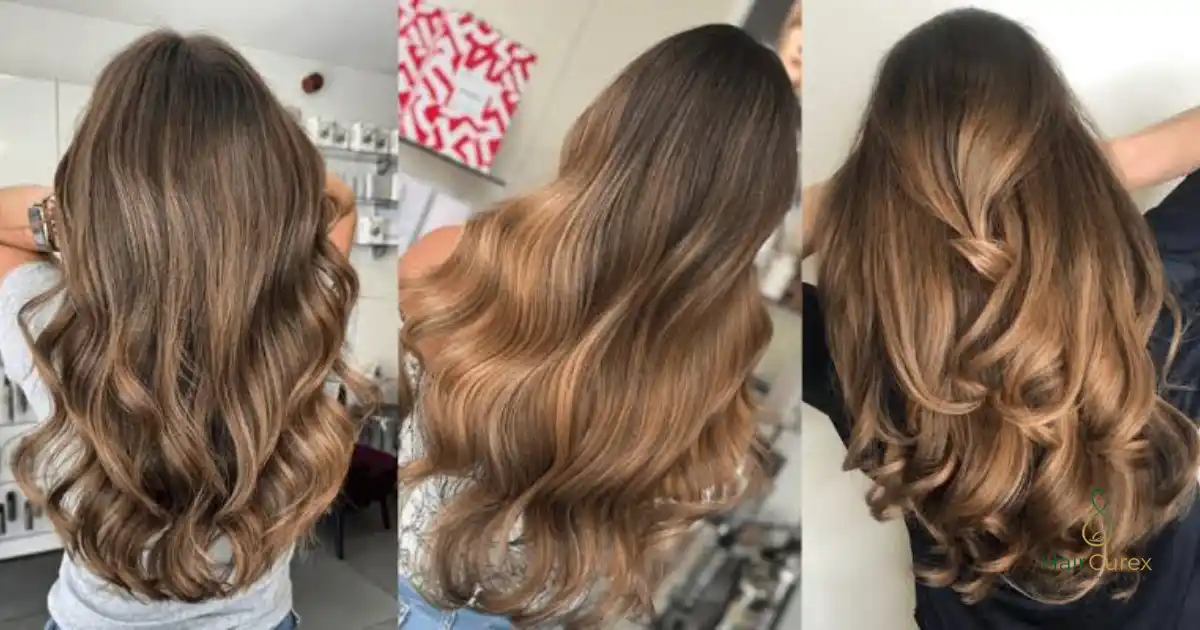
Balayage has completely changed how people approach highlighting, and light brown balayage might be the most natural-looking version of this technique. Unlike traditional foil highlights, balayage is hand-painted directly onto the hair, which means the color placement mimics exactly where the sun would naturally lighten your hair.
The biggest advantage of light brown balayage is how it grows out. Because the color is painted with a soft, gradual transition rather than a hard line, regrowth looks intentional rather than obvious. This makes it one of the lowest-maintenance color techniques available, often requiring touch-ups only every three to four months.
A sun-kissed balayage typically uses warm caramel or honey tones painted through the mid-lengths and ends, leaving the roots slightly darker for a soft, natural gradient. This is especially popular as a light brown ombre hair option, where the transition from dark roots to lighter ends feels smooth and effortless.
A root smudge technique softens the line between natural roots and lightened balayage even further, using a slightly darker shade right at the root to blend everything together. This works particularly well for people transitioning from a darker natural color into light brown brunette hair without a jarring line of demarcation.
For those wanting something bolder, a full balayage with blonde balayage on brown hair combines light brown as the base with dramatic blonde pieces woven throughout. This creates high contrast and works beautifully for longer hair, where there’s more length to show off the color movement.
Light Brown Hair With Blonde Highlights: Beautiful Blending Ideas
Light brown hair with blonde highlights offers a way to lighten things up without committing to a full blonde transformation. The key here is blending, since the goal is usually a soft transition rather than harsh contrast.
Subtle blending typically uses champagne or buttery blonde tones placed sparingly through the hair, often concentrated around the face. This creates brightness around the features while keeping the overall look grounded in brown. It’s a favorite among people who want a change but aren’t ready to fully commit to blonde hair maintenance.
For a more dramatic effect, platinum peekaboo highlights hide underneath the top layer of light brown hair, revealing flashes of bright blonde when the hair moves or is worn up. This creates an unexpected pop of contrast that still allows the wearer to keep their brown base for everyday styling.
If you’re planning to ask for this look at a salon, it helps to bring reference photos and use specific terminology. Mentioning “face framing highlights” or “blonde balayage on brown hair” gives your colorist a clearer picture than simply saying “some blonde pieces,” since these are established techniques with predictable results.
Best Light Brown Hair Colors for Brunettes and Blondes
Getting to light brown hair color looks different depending on where you’re starting from. Natural brunettes and natural blondes each face their own set of considerations.
For natural brunettes, lightening to light brown usually means lifting the hair a shade or two, often through a combination of lowlights and highlights rather than a single all-over dye job. This gradual approach helps avoid brassiness, which can appear when dark hair is lifted too quickly. A colorist will often apply a toner afterward to neutralize any unwanted orange or red tones, locking in a cleaner light brown finish.
For natural blondes, going darker into light brown hair color requires a different strategy. Since blonde hair often lacks the underlying pigment needed for a rich brown tone, colorists frequently use a “filler” or pre-pigmentation step, adding warmth back into the hair before applying the final brown shade. Skipping this step can sometimes result in a color that looks muddy or fades unevenly.
Understanding a few colorist terms can make salon visits smoother. Lowlights refer to strands dyed darker than the base color, adding depth. Toner is a translucent color applied after lightening to adjust undertones. Base color simply refers to the main, all-over shade of the hair before any highlights or lowlights are added.
Light Brown Hair Ideas for Short, Medium, and Long Hair
Light brown hair for short hair often benefits from solid, all-over color rather than heavy highlighting, since shorter styles like pixie cuts and bobs don’t always have enough length to showcase dimension. That said, subtle face framing highlights can still add brightness around a short cut, especially near the face.
Light brown hair for medium hair, typically falling around shoulder length, opens up more options. This length works beautifully with balayage or a soft ombre, since there’s enough hair to show a gradual color transition. Many people at this length also opt for light brown hair with blonde highlights, using the extra length to create visible dimension without overwhelming the style.
Light brown hair for long hair offers the most room for creativity. Full balayage, dramatic ombre, or a combination of caramel and golden highlights all have plenty of space to develop visible movement and depth. Longer hair also tends to show off color fading more gradually, since the ends (which are older and more porous) often fade faster than the roots, creating a naturally sun-kissed appearance over time.
| Hair Length | Recommended Technique | Why It Works |
|---|---|---|
| Short | Solid color, subtle highlights | Limited space for dramatic dimension |
| Medium | Balayage, soft ombre | Enough length for gradual transition |
| Long | Full balayage, dramatic ombre | Maximum room for color movement |
How to Choose the Best Light Brown Hair Shade for Your Skin Tone
Beyond the vein test and jewelry trick mentioned earlier, there’s a more complete process worth walking through before committing to a new color. Start by identifying your undertone using the methods above. Next, consider your eye color, since certain light brown shades can make your eyes pop more than others. Warm brown or hazel eyes often look striking against golden or caramel light brown hair, while blue or green eyes tend to stand out beautifully against ash or neutral light brown tones.
Your natural hair color also plays a role in the final result. If you’re naturally very dark, achieving a lighter shade may require gradual lightening over multiple sessions to protect hair health. If you’re naturally blonde, achieving a rich light brown may require that pre-pigmentation step mentioned earlier.
Finally, be honest with yourself about maintenance preferences. Some light brown hair shades, particularly cooler ash tones, require more frequent toning to prevent warmth from creeping back in. Warmer shades like honey or caramel tend to fade more gracefully and require less frequent salon visits.
| Factor | Question to Ask | Impact on Shade Choice |
|---|---|---|
| Skin Undertone | Warm, cool, or neutral? | Determines warm vs. cool brown |
| Eye Color | What color are your eyes? | Certain shades enhance eye color |
| Natural Hair Color | Starting lighter or darker? | Affects sessions needed and health |
| Maintenance Preference | How often can you visit the salon? | Warm tones fade slower than cool tones |
How to Maintain Light Brown Hair and Prevent Fading
Getting the perfect light brown hair dye job is only half the battle. Keeping it looking fresh requires a consistent maintenance routine, since color-treated hair behaves differently than untreated hair.
Choosing the best shampoo for colored hair makes a significant difference. Sulfate-free, color-safe formulas help prevent the color molecules from washing out too quickly, since sulfates can strip both natural oils and artificial pigment from the hair shaft. Pairing this with a matching conditioner helps seal the hair cuticle, locking color in more effectively.
Heat styling is another major factor in how brown hair color maintenance plays out over time. Excessive heat from flat irons, curling wands, and blow dryers can cause color to fade faster and can damage the hair’s structure, leading to dullness. Using a heat protectant spray before any hot tool creates a barrier that reduces this damage significantly.
Sun exposure deserves attention too. UV rays can lighten and dull hair color over time, much like how sunlight fades fabric. Wearing a hat during extended outdoor time or using UV-protectant hair products can help preserve vibrancy, especially for anyone wondering how to keep brown hair from fading during summer months.
A regular hair color touch up schedule also plays a critical role. Many people may need a root touch-up every four to six weeks, depending on natural regrowth and the type of color used. Toning treatments, meanwhile, might be needed every few weeks for cooler ash shades to keep unwanted warmth from surfacing.
Washing frequency matters more than many people realize. Washing hair every day strips color faster, so stretching washes to every two or three days, using dry shampoo in between, helps color last significantly longer. Rinsing with cool or lukewarm water instead of hot water also helps keep the hair cuticle closed, which reduces color fading.
Finally, a weekly deep conditioning treatment or hair mask replenishes moisture that color treatments can strip away. Healthy, well-moisturized hair holds color better and looks shinier overall, which enhances how vibrant any light brown shade appears.
| Maintenance Habit | Purpose | Recommended Frequency |
|---|---|---|
| Color-safe shampoo | Prevents color stripping | Every wash |
| Heat protectant | Reduces heat damage | Before every heat styling session |
| UV protection | Prevents sun-related fading | During extended sun exposure |
| Root touch-up | Maintains consistent color | Every 4-6 weeks |
| Toning treatment | Controls unwanted warmth | Every 2-4 weeks (cool shades) |
| Deep conditioning | Restores moisture | Weekly |
Conclusion
Light brown hair has earned its popularity honestly. It’s versatile enough to suit nearly every skin tone, adaptable enough to work with short, medium, or long hair, and forgiving enough to handle everything from a subtle at-home dye job to a dramatic salon balayage. Whether you’re drawn to warm honey brown hair, cool ash light brown hair, or something perfectly neutral in between, there’s a version of this shade designed for you.
Before making any major change, it’s always worth consulting a professional colorist, especially if you’re moving several shades away from your natural color. They can assess your hair’s health, current color, and skin undertone to recommend the most flattering and long-lasting result. If this guide helped clarify your next hair color move, consider saving it for reference or sharing it with a friend who’s been thinking about going light brown too.
Frequently Asked Questions About Light Brown Hair
Does light brown hair suit every skin tone?
Light brown hair suits most skin tones because it comes in such a wide range of undertones. Fair skin tends to pair well with cooler or neutral shades, while medium, olive, and deep skin tones often shine with warmer options like honey, golden, or chocolate light brown.
How long does light brown hair color last?
Most light brown hair color lasts between four and eight weeks before requiring a touch-up, though this depends on hair porosity, wash frequency, and whether the color was applied with permanent or semi-permanent dye.
Is light brown hair high maintenance?
Compared to platinum blonde or vivid colors, light brown hair is relatively low maintenance. Root touch-ups are typically needed every four to six weeks, and the color tends to fade gracefully rather than looking patchy or obvious.
Can I go from dark brown to light brown at home?
It’s possible with at-home lightening kits, but going several shades lighter carries a real risk of brassiness or uneven results. Professional lightening, especially involving toner, usually produces a cleaner, more predictable outcome.
What’s the difference between light brown and dark blonde?
Light brown sits just below dark blonde on the color spectrum. Dark blonde tends to have more golden or beige lift, while light brown carries slightly more depth and richness, even when both shades appear similar in certain lighting.
Will light brown hair fade in the sun?
Yes, sun exposure can lighten and dull light brown hair color over time, similar to how sunlight fades fabric. UV-protectant products and protective styling, like wearing a hat, can help slow this fading process.
What highlights look best with light brown hair?
Caramel highlights, honey highlights, and golden highlights all pair beautifully with warm light brown bases, while subtle ash or beige highlights work well for cooler light brown hair. The best choice ultimately depends on your skin undertone and desired contrast level.