
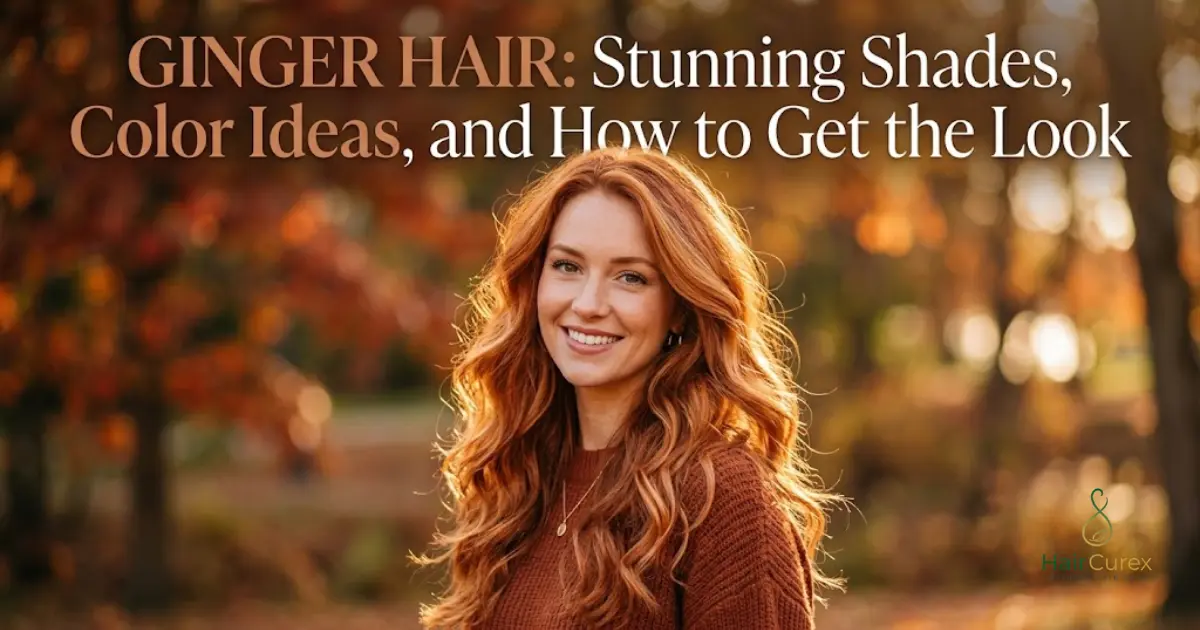
Ginger hair is a warm, eye-catching hair color that ranges from deep red to bright orange-red.This warm, fiery shade turns heads in a way that blonde and brunette simply can’t match. Whether you’re born with natural ginger hair or you’re eyeing a bold new dye job, this guide walks you through everything worth knowing: the best shades, how to pick the right one for your skin tone, styling ideas for every length, and the maintenance routine that keeps ginger hair color looking fresh. By the end, you’ll know exactly how to get ginger hair that suits you and how to keep it vibrant for months to come.
What Is Ginger Hair? Understanding This Warm, Reddish Hair Color
So, what color is ginger hair, exactly? At its core, ginger hair sits somewhere between red and orange, with warm undertones that can lean bright, deep, or soft depending on the individual strand and the light hitting it. Natural ginger hair gets its signature glow from a pigment called pheomelanin, which produces that reddish-orange tone rather than the darker eumelanin found in brown and black hair. People with naturally occurring ginger hair often carry a variant of the MC1R gene, and because this gene is recessive, two parents without visibly red hair can still pass it on to their child. That’s why you’ll sometimes see a family full of brunettes with one surprise redhead in the mix.
Ginger hair isn’t the same thing as auburn, copper, or strawberry blonde, even though people mix these terms up constantly. Auburn hair tends to have more brown mixed into the red, giving it a richer, deeper base. Copper ginger hair leans brighter and more metallic, almost like a shiny penny. Strawberry ginger hair blends red with blonde for a much softer, lighter effect. True ginger hair sits in its own lane: bold, warm, and unmistakably orange-red at its base.
There’s also a persistent myth floating around the internet that redheads are “dying out” due to genetics. That’s simply not true. Since the ginger gene is recessive rather than disappearing, it can skip generations and resurface unexpectedly, meaning natural ginger hair isn’t going anywhere anytime soon. Here’s a quick breakdown of how ginger compares to its closest color cousins:
| Shade | Undertone | Natural Rarity | Best For |
|---|---|---|---|
| Ginger | Orange-red | Very rare (under 2% globally) | Bold, warm-toned looks |
| Auburn | Red-brown | Uncommon | Deeper, richer red fans |
| Copper | Bright red-orange | Rare, often dyed | Vibrant, high-shine styles |
| Strawberry Blonde | Red-blonde blend | Rare | Soft, sun-kissed looks |
Why Is Ginger Hair So Popular Right Now?
Ginger hair color has had a major cultural moment over the last few years, and celebrities deserve a lot of the credit. Stars with natural or dyed ginger red hair have kept the shade in constant rotation across red carpets and magazine covers, proving that warm, reddish tones can look just as polished and high-fashion as any blonde balayage. When A-list actresses and musicians show up with copper ginger hair or deep ginger hair, it sends a clear signal to salons everywhere: this color sells.
Social media has poured gasoline on the trend. TikTok and Pinterest are flooded with tutorials on how to dye hair ginger at home, along with countless “get ready with me” videos showing off ginger hair highlights and ginger balayage transformations. Because these platforms reward bold, scroll-stopping visuals, ginger hair practically was made for the algorithm. Its high contrast against skin and its rich saturation make it pop on camera far more than a neutral brunette shade ever could.
There’s also a broader shift happening in how people think about hair color altogether. For years, blonde and brunette dominated the conversation, treated almost like the “safe” default choices. Now, more people want color that reflects personality rather than just blending in. Ginger hair, especially in its bolder forms like fire engine ginger or deep auburn ginger, fits that desire perfectly. As one Los Angeles colorist put it during a recent interview, “Clients aren’t asking for safe anymore. They’re asking for warmth, depth, and something that actually looks like them.” That sentiment captures exactly why ginger hair trend searches keep climbing year over year.
The Most Beautiful Ginger Hair Shades to Try
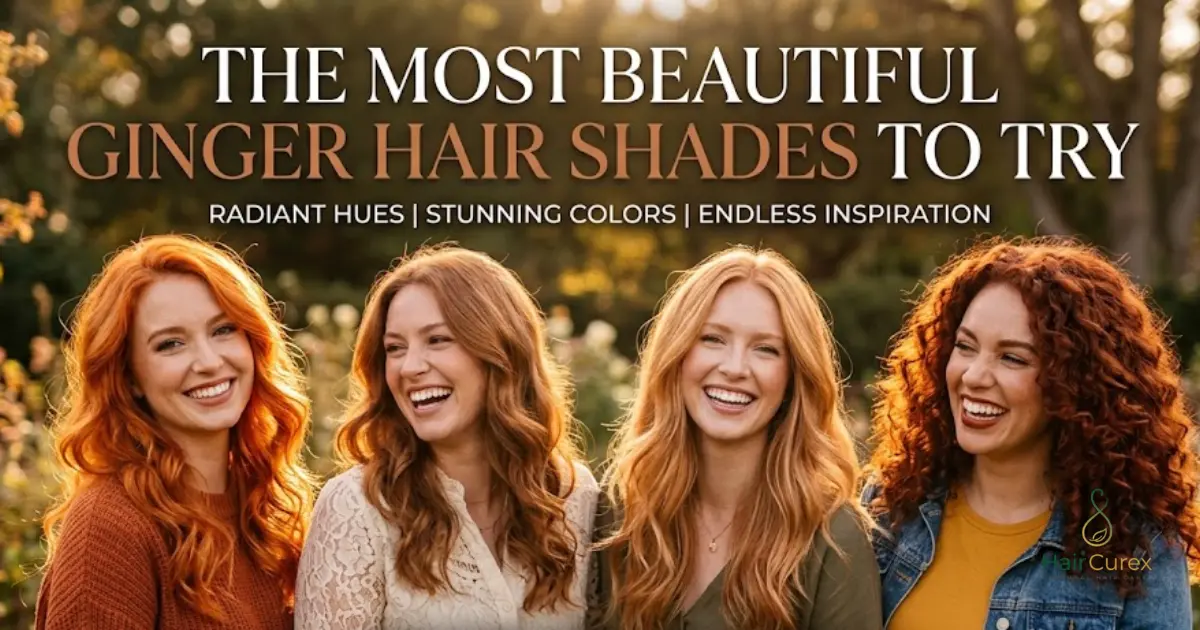
Not all ginger hair looks the same, and that’s honestly the best part. The shade family stretches from soft and subtle to loud and unapologetic, so there’s a version for nearly every taste. Classic ginger sits at the center of it all: a bright, true orange-red that reads as bold without tipping into neon territory. It works beautifully on fair and medium skin tones and remains the most requested version of the color in salons across the country.
Copper ginger hair takes things up a notch with a shinier, more metallic finish, almost like a new penny catching the light. Strawberry ginger blonde, on the other hand, softens everything down, blending red and blonde into a light, airy shade that feels approachable and low-commitment for first-timers. Deep auburn ginger leans darker and richer, mixing brown undertones into the red base for a more grounded, autumnal look. Golden ginger hair introduces warm yellow undertones that pair beautifully with tanned or olive skin, while cinnamon ginger brown sits closer to a spiced, earthy tone that works well for people wanting warmth without excessive brightness.
For those who want something more daring, rose gold ginger blends pink and copper for a trendy, almost ethereal effect, and fire engine ginger delivers maximum vibrancy for anyone ready to fully commit to a statement color. Here’s a simple reference table to help match shade with vibe:
| Shade | Vibe | Best Suited For |
|---|---|---|
| Classic Ginger | Bold and timeless | Fair to medium skin |
| Copper Ginger | Shiny and vibrant | Warm undertones |
| Strawberry Ginger Blonde | Soft and airy | First-time colorists |
| Deep Auburn Ginger | Rich and grounded | Cool or neutral undertones |
| Golden Ginger | Warm and sunny | Tanned or olive skin |
| Cinnamon Ginger Brown | Earthy and spiced | Warm, deeper skin tones |
| Rose Gold Ginger | Trendy and soft | Fashion-forward looks |
| Fire Engine Ginger | Bold and vivid | Statement-color lovers |
Ginger Hair Color Ideas for Every Skin Tone
Choosing the best ginger hair shade for your skin tone comes down to understanding your undertone, and thankfully, figuring that out doesn’t require a dermatologist. If your skin has warm undertones, meaning it leans yellow, golden, or peachy, shades like golden ginger hair, copper ginger hair, and cinnamon ginger brown will look especially harmonious since they echo the same warmth already present in your complexion. Ginger hair for warm skin tones tends to look effortless rather than jarring, almost like the color was always meant to be there.
Cool undertones, which show up as pink, red, or blue hints in the skin, pair beautifully with rose gold ginger, deep auburn ginger, or a slightly muted copper. Ginger hair for cool skin tones benefits from shades that don’t compete with the skin’s natural pink base, so anything too orange can sometimes clash. Neutral undertones, meanwhile, are the most flexible of the bunch. If you fall into this category, classic ginger hair or strawberry ginger hair will both work nicely, since neutral skin doesn’t fight against warm or cool-leaning colors.
Figuring out your undertone at home takes less than five minutes. Check the veins on your wrist: greenish veins usually signal warm undertones, while bluish or purple veins point to cool undertones. If you genuinely can’t tell, you likely have a neutral undertone, and lucky for you, that means nearly every ginger shade is fair game. Here’s a quick-reference table for skin tone matching:
| Skin Undertone | Best Ginger Shades | Shades to Approach Carefully |
|---|---|---|
| Warm | Golden ginger, copper ginger, cinnamon ginger brown | Rose gold ginger |
| Cool | Deep auburn ginger, rose gold ginger, muted copper | Bright golden ginger |
| Neutral | Classic ginger, strawberry ginger blonde | Few restrictions |
Ginger hair for fair skin often looks stunning in lighter, softer shades like strawberry ginger blonde, since anything too dark can overwhelm a pale complexion. Ginger hair for medium skin tone opens up more room to experiment, comfortably handling everything from copper to deep auburn. Ginger hair for dark skin, meanwhile, tends to shine brightest in deep ginger hair or fire engine ginger, where the contrast between rich skin and vivid color creates a genuinely striking effect. For those wondering specifically about ginger hair color for olive skin, golden ginger and cinnamon tones tend to blend seamlessly thanks to the natural warmth already present in olive complexions.
Natural Ginger Hair vs. Dyed Ginger Hair: What’s the Difference?
Is ginger hair natural, or does it always come from a bottle? Both exist, and each comes with its own set of quirks. Natural ginger hair, as mentioned earlier, traces back to the MC1R gene and shows up in roughly one to two percent of the global population, with noticeably higher concentrations in Scotland and Ireland. Natural ginger strands tend to have a slightly different texture than other hair colors too, often described as coarser and more resistant to gray, since red pigment fades more gradually with age compared to darker hair colors.
Dyed ginger hair, on the other hand, opens the door to literally anyone who wants the look, regardless of their natural color or genetic background. The tradeoff is maintenance. Because red and orange dye molecules are larger than other color molecules, they wash out of the hair shaft faster, meaning dyed ginger hair color needs more frequent touch-ups to stay vibrant. Natural ginger hair never fades the same way, since the pigment lives in the hair follicle itself rather than sitting on the surface of the strand.
Cost is another factor worth weighing. Maintaining dyed ginger hair, especially vivid shades like copper or fire engine ginger, usually means returning to the salon every four to six weeks for a refresh. Natural ginger hair requires zero color maintenance, though it still benefits from the same protective care since red-based pigment, natural or not, is more prone to sun fading than brown or black hair. If you’re weighing the two options, dyed ginger hair offers flexibility and endless customization, while natural ginger hair offers permanence without the upkeep. Neither is “better.” It really just depends on what kind of commitment you’re ready to make.
How to Choose the Right Ginger Hair Shade for Your Skin Tone
Picking the perfect ginger shade goes beyond just undertone matching, though that’s certainly the foundation. Eye color plays a bigger role than most people realize. Ginger hair with green or blue eyes tends to create a striking, high-contrast look, since cooler eye tones balance out the warmth of red hair beautifully. Brown-eyed individuals, meanwhile, often find that warmer ginger shades like golden or copper create a more cohesive, monochromatic effect since brown eyes already carry warm undertones themselves.
Skin depth matters just as much as undertone. Someone with very fair skin will usually want to avoid extremely dark ginger shades, since the contrast can look harsh rather than flattering. Someone with deeper skin tones, conversely, can handle much bolder and darker ginger shades without the color washing them out. A simple three-step framework makes this decision process far less overwhelming: first, test your undertone using the vein trick mentioned earlier; second, take note of your eye color and whether it’s warm or cool-leaning; and third, use both pieces of information to narrow down a shade family from the tables above.
Bringing reference photos to your colorist genuinely makes a difference too. Verbal descriptions like “warm red” mean different things to different people, but a photo removes the guesswork entirely. A good colorist will look at your natural coloring, cross-reference it against your reference image, and adjust the formula accordingly rather than copying it exactly, since lighting and hair texture in photos rarely translate one-to-one.
Ginger Hair Ideas for Short, Medium, and Long Hairstyles
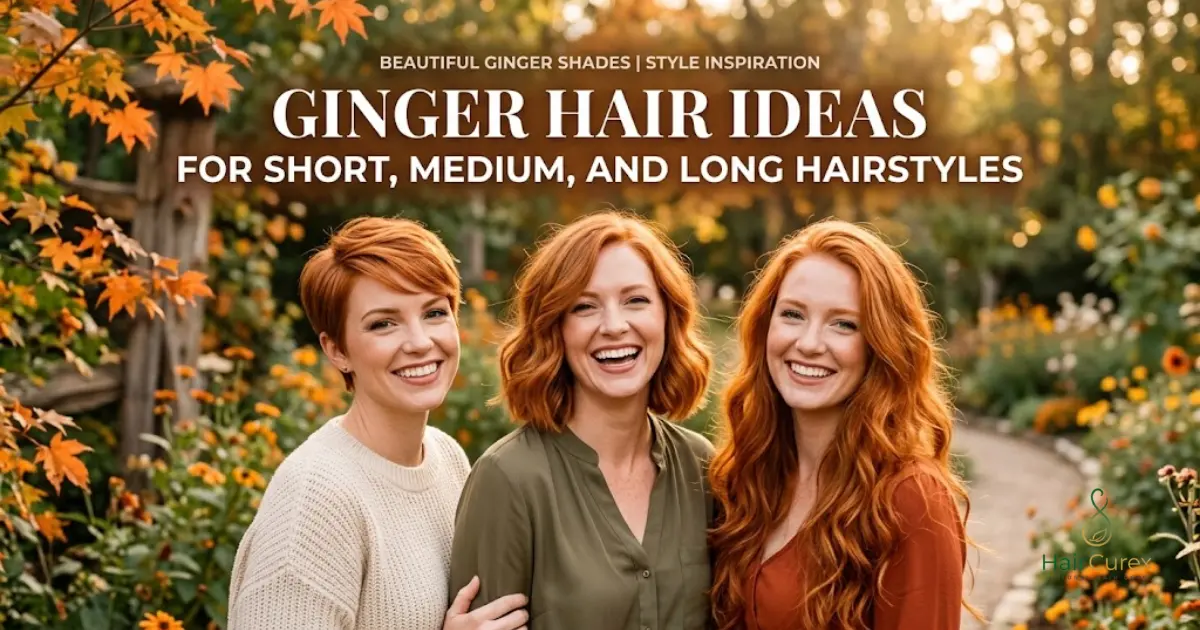
Short ginger hairstyles have a way of making the color feel even bolder, since there’s less length to dilute the visual impact. Pixie cuts in particular benefit from ginger tones, especially when paired with textured, piece-y styling that catches light from multiple angles. Bobs work beautifully too, and a blunt ginger bob tends to look sleek and modern while a slightly tousled version leans more effortless and lived-in.
Medium-length ginger hair opens up more versatility. Lobs, meaning long bobs, hit that sweet spot between low-maintenance and eye-catching, especially when cut with subtle layers that let the color move naturally. Shag cuts have also made a massive comeback recently, and ginger hair practically was designed for the choppy, textured layers that define this style, since the varying lengths create natural dimension within the color itself.
Long ginger hair, meanwhile, tends to show off color the most dramatically, simply because there’s more surface area for the shade to shine. Beach waves soften the boldness of ginger hair, creating a relaxed, sun-kissed effect that works well in warmer months. Curtain bangs have become a favorite pairing too, framing the face while drawing extra attention to the warmth of the color. Because length changes how light interacts with hair, longer ginger styles often appear slightly deeper and richer than the same shade would look on shorter hair.
Ginger Hair With Highlights, Balayage, and Lowlights
Ginger balayage has become one of the most requested techniques for anyone wanting dimension without the commitment of an all-over color change. Unlike traditional foil highlights, balayage is hand-painted, which creates a softer, more natural gradient as the hair grows out. This makes ginger balayage a fantastic entry point for people who aren’t ready to fully dye their hair but still want a taste of that warm, red-orange glow.
Highlights offer another route entirely. Golden highlights woven through ginger hair add brightness and sun-kissed dimension, while blonde peekaboo highlights, tucked underneath the top layer, create a surprising pop of contrast whenever the hair moves. Ginger hair with blonde highlights tends to look especially natural during summer months, mimicking the way hair often lightens slightly from real sun exposure. Copper face-framing highlights, placed strategically around the face, brighten the complexion while keeping the rest of the hair in its natural ginger base.
Lowlights work in the opposite direction, adding depth rather than brightness. Chocolate lowlights woven through ginger hair create richness and prevent the color from looking one-dimensional, while auburn lowlights deepen the red without straying too far from the original ginger family. Ginger hair with lowlights tends to photograph beautifully because it creates natural-looking shadow and depth, something flat, single-process color simply can’t replicate.
One additional technique worth mentioning is root smudging, sometimes called a shadow root. This softens the line between your natural roots and dyed ginger hair, making regrowth far less noticeable and stretching the time between salon visits. It’s a small addition that makes a genuinely huge difference in how low-maintenance ginger hair color can feel day to day.
How to Get Ginger Hair Color at Home or in a Salon
Deciding how to get ginger hair really comes down to two paths: professional color or a DIY approach at home. Going the salon route typically costs anywhere from $80 to $250 depending on your location and how dramatic the color change is, with vivid shades like copper or fire engine ginger sitting toward the higher end due to the lightening process often required beforehand. A skilled colorist will assess your natural hair color, your desired shade, and your skin’s undertone before mixing a custom formula, which is honestly one of the biggest advantages of going professional. Mistakes happen far less often, and color correction, if needed, is handled in the same visit.
At-home ginger hair dye kits have improved significantly over the past several years, and they remain the go-to option for anyone on a budget or short on time. Semi-permanent dyes are the gentler choice, gradually fading over four to six weeks without requiring bleach beforehand, making them ideal for people wanting to test ginger hair color ideas before committing long-term. Permanent box dyes offer longer-lasting results but carry more risk, especially for anyone with naturally dark hair, since achieving true ginger often requires lightening the hair first.
Whichever path you choose, always patch test before applying any dye to your full head, since allergic reactions to hair dye, while uncommon, can be serious. If you’re going the DIY route and your natural color is significantly darker than your target ginger shade, proceed with real caution. Color correction gone wrong is one of the most common reasons people end up in a salon chair anyway, so if your hair is already damaged, chemically treated, or several shades darker than ginger, booking a professional consultation first will likely save you time, money, and a fair amount of stress.
How to Maintain Ginger Hair and Keep Its Color Vibrant
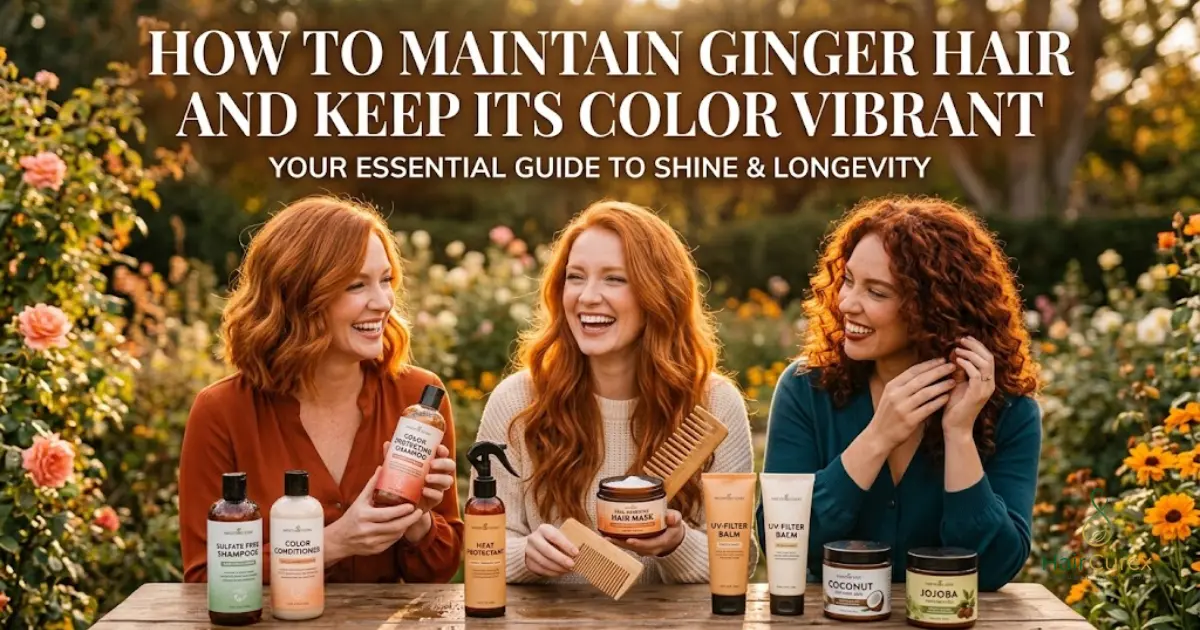
Ginger hair color maintenance deserves real attention, mostly because red and orange pigments fade noticeably faster than blonde or brunette shades. The reason comes down to molecular size: red dye molecules are physically larger than other color molecules, which means they sit closer to the surface of the hair shaft rather than penetrating deeply. That surface-level placement makes them more vulnerable to washing, sun exposure, and heat styling.
Washing frequency plays a huge role in how to prevent ginger hair from fading. Ideally, wash ginger hair no more than two to three times per week, and always with cool or lukewarm water rather than hot, since heat opens the hair cuticle and accelerates color loss. Sulfate-free, color-safe shampoo is non-negotiable for anyone serious about ginger hair color maintenance, since sulfates strip color far more aggressively than gentler cleansing agents.
UV exposure is another silent color-killer that people often overlook. Just like skin, hair can sunburn in a sense, with UV rays breaking down color molecules over time. Wearing a hat during long days outdoors or using a UV-protectant hair spray goes a long way toward preserving vibrancy. Heat styling tools deserve the same caution; always apply a heat protectant before using a flat iron or curling wand, since repeated heat exposure without protection speeds up fading dramatically.
Color-depositing conditioners and toning glosses have become genuine lifesavers for ginger hair color maintenance between salon visits. These products deposit a small amount of pigment with each use, refreshing the shade gradually rather than requiring a full reapplication. As for how often to touch up ginger hair, most colorists recommend a root touch-up every four to six weeks for dyed hair, alongside a gloss treatment roughly every three to four weeks to keep the overall tone looking fresh and saturated.
The Best Hair Care Products for Ginger-Colored Hair
The right hair care routine can extend the life of ginger hair color significantly, and it starts with the basics. A color-safe shampoo for red hair, free from sulfates and harsh detergents, protects pigment while still cleansing effectively. Pairing it with a rich, moisturizing conditioner helps combat the dryness that often comes with color-treated hair, since the coloring process itself can strip natural oils from the hair shaft.
Color-depositing masks designed specifically for red and ginger tones offer a deeper level of maintenance than daily conditioner alone. Used once or twice a week, these masks refresh pigment while also delivering intense hydration, addressing two problems at once. Toning glosses, whether applied at home or during a quick salon visit, work similarly by refreshing shine and color saturation without the commitment of a full dye job.
Heat protectant spray belongs in every ginger-haired person’s routine, full stop. Applying it before any hot tool use creates a barrier that shields both the hair’s structural integrity and its color from thermal damage. UV protection sprays or leave-in treatments with built-in SPF round out the essential lineup, guarding against the sun-related fading that catches so many people off guard, especially during summer.
| Product Type | Purpose | How Often to Use |
|---|---|---|
| Color-safe shampoo | Cleanses without stripping color | 2-3 times weekly |
| Moisturizing conditioner | Restores hydration | Every wash |
| Color-depositing mask | Refreshes pigment and hydration | 1-2 times weekly |
| Toning gloss | Boosts shine and saturation | Every 3-4 weeks |
| Heat protectant spray | Shields against thermal damage | Before every heat styling session |
| UV protection spray | Prevents sun-related fading | Daily during sun exposure |
Frequently Asked Questions About Ginger Hair
Is ginger hair rare?
Yes, natural ginger hair is genuinely rare, showing up in less than two percent of the global population, with the highest concentrations found in Scotland and Ireland.
Does ginger hair suit every skin tone?
Not every single shade suits every skin tone, but the ginger family is broad enough that there’s almost always a version, whether golden, copper, or deep auburn, that flatters any complexion.
How long does ginger hair color last?
Dyed ginger hair typically lasts four to six weeks before requiring a touch-up, though vivid shades like copper or fire engine ginger may fade slightly faster due to the larger size of red dye molecules.
Can I go from ginger back to my natural color easily?
It depends on how dramatic the change was. Lifting ginger hair color back to a natural shade often requires professional color correction, especially if bleach was involved in achieving the ginger tone originally.
Does ginger hair gray differently than other hair colors?
Yes, natural ginger hair tends to gray more gradually and often takes on a lighter, almost blonde-white tone rather than the stark gray seen in darker hair colors.
What’s the difference between ginger and red hair?
The terms are often used interchangeably, though “ginger” typically refers specifically to the orange-red end of the red hair spectrum, while “red hair” can also include deeper burgundy or wine-toned shades.
Conclusion
Ginger hair proves that one color can hold an incredible amount of range, stretching from soft strawberry ginger blonde all the way to bold fire engine ginger, with dozens of beautiful shades in between. Whether your ginger hair is completely natural or freshly dyed at your favorite salon, the key to keeping it looking its best comes down to understanding your skin tone, choosing the right shade family, and sticking to a maintenance routine built for color-treated hair.
Ginger hair isn’t just a trend passing through; it’s a genuine style statement, and with the right care, it can stay vibrant, healthy, and unmistakably you for a long time to come. If you’ve been on the fence about trying ginger hair, there’s honestly never been a better time to book that consultation and see the transformation for yourself.