
Staring at your reflection and wondering if it’s finally time for a change? You’re not alone. Millions of people search for fresh hair cuts every single year, hoping to find that one style that feels like “them.” Whether you’re bored with your current look, growing out a bad trim, or just craving something new for the season, this guide has you covered. We’ll walk through the best haircut ideas for every hair type, every face shape, and every lifestyle, so you can walk into your next salon appointment with confidence instead of confusion.
Choosing among hairstyles and haircuts doesn’t have to feel overwhelming. Once you understand a few basics about your hair texture, your face shape, and how much time you’re willing to spend styling each morning, the options actually narrow down pretty fast. Let’s dig in.
What Are Hair Cuts and Why Do They Matter?
A haircut, at its core, is simply the shaping and trimming of hair to create a specific length, texture, or style. But calling it “simple” undersells just how much a good cut can do. The right hair cuts don’t just remove length. They frame your face, highlight your best features, and can even change how people perceive your personality before you say a single word.
Think about it this way: your hairstyle is often the first thing people notice about you. A sharp, well-executed cut can make you look more polished, more youthful, or more edgy, depending on what you’re going for. On the flip side, a cut that doesn’t suit your face shape or hair texture can work against you, no matter how trendy it looks on Pinterest. That’s why understanding popular haircuts and matching them to your unique features matters so much.
There’s also a practical side to this. Regular haircuts remove split ends and damaged hair, which keeps your strands healthier and helps them grow faster over time. Neglecting trims for too long often leads to breakage, frizz, and hair that just looks tired. So beyond the style factor, haircuts play a real role in hair health too.
| Reason Haircuts Matter | What It Does For You |
|---|---|
| Removes split ends | Prevents breakage and promotes healthier growth |
| Frames the face | Highlights cheekbones, jawline, and eyes |
| Boosts confidence | Fresh look often means fresh mindset |
| Reflects personality | Bold, edgy, classic, or soft — your cut speaks first |
| Adapts to lifestyle | Matches your time, budget, and daily routine |
Now that we’ve covered the “why,” let’s get into the fun part: the actual best hair cuts for women, men, and every hair type in between.
Best Hair Cuts for Women
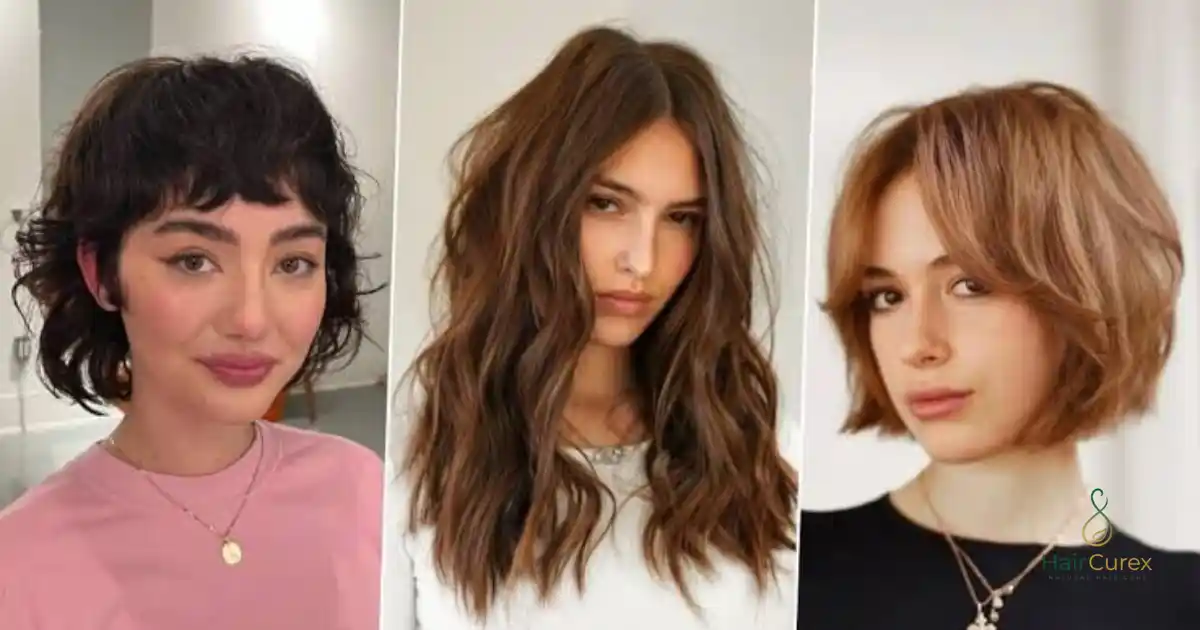
When it comes to haircuts for women, the options feel almost endless, but a handful of styles consistently top the charts year after year. The bob haircut remains one of the most requested cuts in salons across the country, and for good reason. It’s timeless, it flatters nearly every face shape when adjusted slightly, and it can be styled sleek or textured depending on the mood.
Then there’s the pixie cut, a bold, short style that has made a massive comeback in recent years. Women who choose a pixie often describe feeling lighter, both literally and emotionally. It takes courage to go this short, but the payoff is a low-fuss style that still looks incredibly chic. Stylist and educator Sam Villa once noted, “A great haircut should complement your natural features rather than simply follow the latest trend.” That philosophy applies perfectly here.
Layered cuts also deserve a spot on this list. Layered haircuts add movement and volume, especially for women with thinner or flatter hair. Instead of one blunt length, layers create dimension, making hair bounce and flow naturally. For those wanting something trendier, the wolf cut combines shaggy layers with a mullet-inspired silhouette, delivering an edgy, undone look that’s dominated social media feeds lately.
Soft, face-framing pieces like curtain bangs have also become a staple. They part naturally down the middle and drape around both sides of the face, softening features without committing to a full fringe. This small addition can transform an ordinary haircut into something that feels custom-tailored to your face.
Best Hair Cuts for Men
On the men’s side, haircuts for men have evolved far beyond the standard buzz cut or classic side part, though those styles still hold their own. The textured crop remains a favorite because it works with almost any hair type, offers a modern silhouette, and requires minimal daily styling.
Fades continue to dominate barbershops nationwide, whether it’s a low fade, mid fade, or skin fade paired with longer hair on top. This contrast between short sides and textured length up top creates a sharp, intentional look that reads as put-together without trying too hard. Undercuts follow a similar logic, offering dramatic contrast that pairs well with slicked-back styles or messy, tousled finishes.
For men wanting something a bit more relaxed, the classic crew cut offers short, even length all around, making it one of the most low-maintenance haircuts available. It grows out gracefully too, meaning fewer trips to the barber without sacrificing a clean appearance. Pairing any of these cuts with well-groomed facial hair, when applicable, tends to elevate the entire look even further.
Short Hair Cuts for a Fresh and Stylish Look
If you’re drawn to short haircuts, you’re choosing a style that’s bold, practical, and endlessly versatile. Pixie cuts, blunt bobs, and buzz cuts all fall under this category, and each one delivers a slightly different vibe. Short cuts work wonderfully for people with fine or thin hair since shorter lengths tend to create the illusion of thickness and volume.
One thing worth mentioning: short hair tends to require more frequent trims to maintain its shape, roughly every four to six weeks. However, the trade-off is huge in terms of daily styling time. Many people with short cuts spend just minutes getting ready in the morning, since there’s simply less hair to manage. A quick tousle with some texturizing product and you’re out the door.
Short cuts also tend to age beautifully, meaning they don’t lose their charm as the years pass. In fact, plenty of style icons throughout history have leaned into shorter hair precisely because it photographs well and never feels dated when done correctly.
Medium-Length Hair Cuts for Every Style
There’s a reason stylists often call medium length the “sweet spot” of haircutting. Medium haircuts offer the best of both worlds: enough length to pull hair back when needed, but short enough to avoid feeling heavy or high-maintenance. The lob, short for long bob, sits right around collarbone length and has become one of the most requested cuts of the past several years.
Shoulder-length layers are another strong contender in this category. They add movement without sacrificing versatility, meaning you can straighten them for a sleek office look one day and let natural waves show through the next. Medium-length cuts also pair beautifully with curtain bangs, since there’s enough length for the bangs to blend seamlessly into the rest of the style.
For those wanting extra texture, adding face-framing layers to a medium cut can make a huge difference. These shorter pieces around the front draw attention upward toward the eyes and cheekbones, which works particularly well for softening angular features.
Long Hair Cuts That Look Modern and Elegant
Here’s a common misconception: long hair doesn’t need a haircut. Nothing could be further from the truth. Long haircuts actually require just as much attention as shorter styles, if not more, since split ends become far more noticeable when hair stretches past the shoulders.
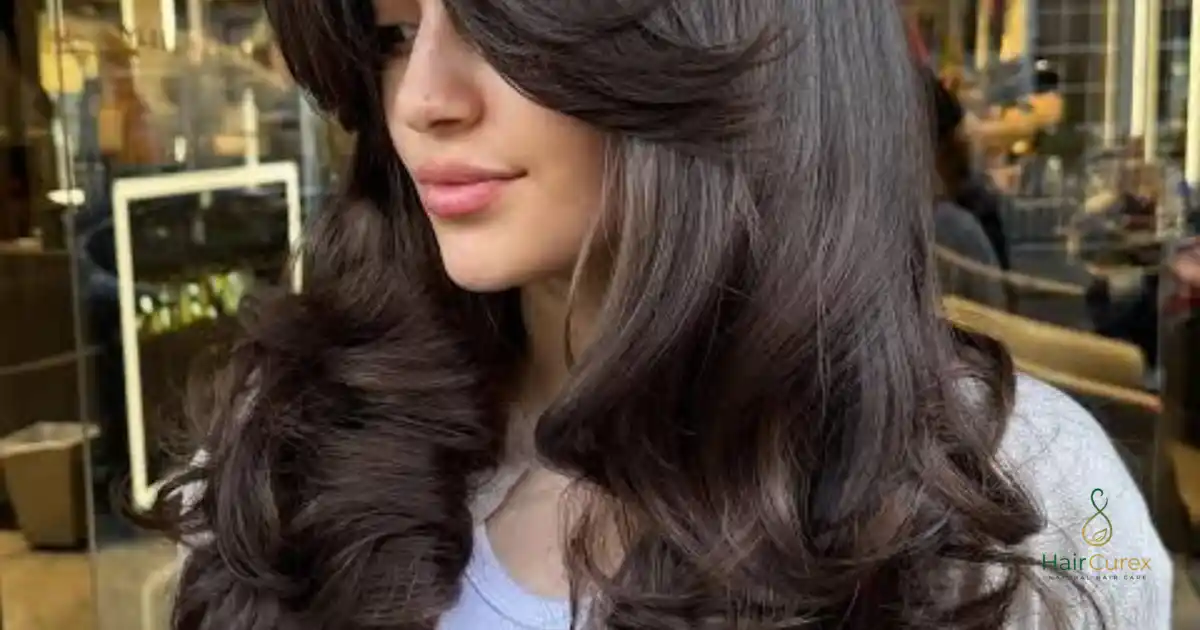
Long layers remain one of the most popular choices for anyone keeping their length while still wanting movement. Without layers, long hair can sometimes look flat or overly heavy, especially for those with thicker strands. A U-shaped cut, where the ends form a gentle curve rather than a straight line, softens the overall silhouette and prevents that blunt, weighed-down appearance.
Face-framing layers work wonders on long hair too, drawing the eye toward the face rather than letting all the attention fall to the ends. Many people opt for subtle layering paired with curtain bangs, creating a style that looks effortlessly elegant while still being easy to maintain. This combination has trended heavily, appearing across red carpets and everyday street style alike.
Best Hair Cuts for Different Face Shapes
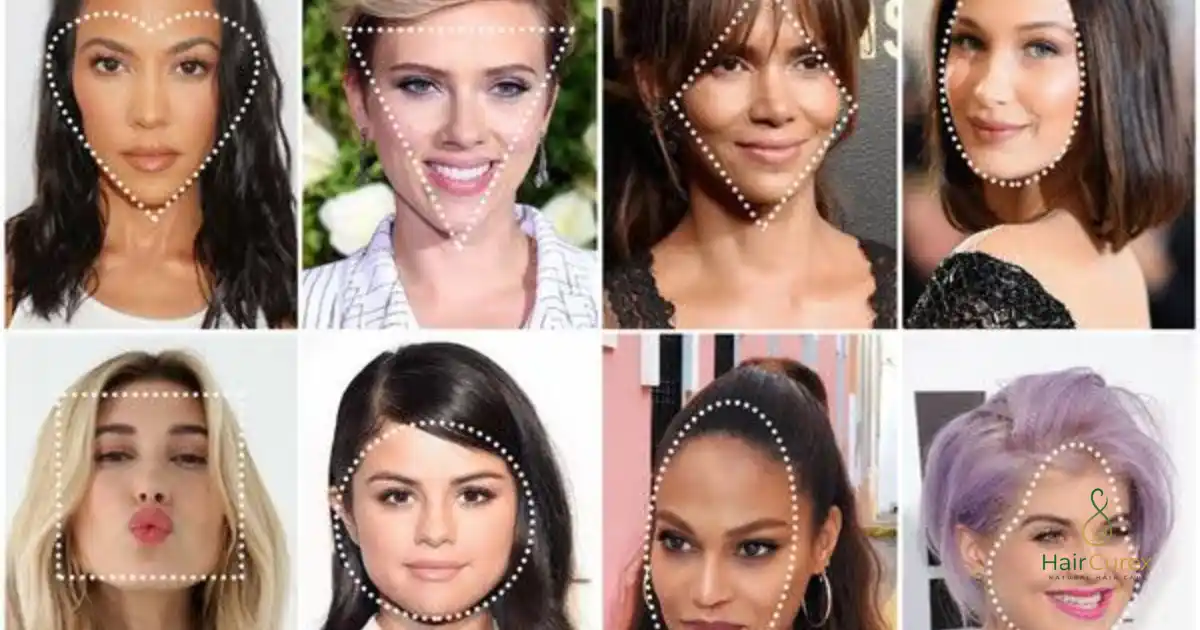
Matching haircuts for round face shapes, oval faces, and everything in between isn’t just a nice-to-have, it’s often the difference between a haircut you love and one you regret. Understanding your face shape takes the guesswork out of choosing a style, and most people fall into one of five general categories: round, square, oval, heart-shaped, or long.
| Face Shape | Recommended Haircuts | Why It Works |
|---|---|---|
| Round | Layered lob, pixie with height on top | Adds angles, elongates the face |
| Square | Soft waves, long layers, side-swept bangs | Softens strong jawline |
| Oval | Almost any style, including bobs and pixies | Balanced proportions suit most cuts |
| Heart-shaped | Chin-length bob, side-swept fringe | Balances a wider forehead |
| Long | Blunt bob, curtain bangs | Adds width, breaks up length |
For haircuts for oval face shapes specifically, the good news is that almost anything works. Oval faces are considered the most balanced shape, meaning short pixies, long layers, blunt bobs, and everything in between tend to look flattering. This is actually one reason many magazine cover models are noted to have oval-shaped faces; it simply gives stylists more room to experiment.
Determining your own face shape at home is easier than it sounds. Pull your hair back, look straight into a mirror, and trace the outline of your face on the glass with a dry-erase marker or lipstick. Step back and compare that outline to the general shapes above. From there, choosing among the best hair cuts becomes a much more targeted decision.
Hair Cuts for Straight, Wavy, and Curly Hair
Hair texture changes everything about how a cut behaves once it’s finished. Straight hair tends to show every line clearly, so blunt cuts and sleek bobs work beautifully since there’s no natural texture to hide imperfections. Precision matters a lot here, since straight strands reflect light evenly and any unevenness in the cut becomes obvious almost immediately.
Wavy hair sits in a flexible middle ground. Layered shags and lobs tend to complement waves particularly well, since the layers encourage the natural bend of the hair rather than fighting against it. Many people with wavy hair find that a wolf cut or shag haircut enhances their natural texture instead of requiring hours of styling to achieve.
Curly hair behaves differently altogether, and cutting it requires a specialized approach. Curls shrink significantly once they dry, sometimes by 30 percent or more, so many stylists now cut curly hair while it’s dry rather than wet to see exactly how each curl falls. Curly bobs and layered curls both photograph incredibly well and tend to bounce with life rather than sitting flat. If you have curly hair, seeking out a stylist who specializes specifically in curl-cutting techniques can make a dramatic difference in your results.
Low-Maintenance Hair Cuts for Everyday Wear
Not everyone wants to spend thirty minutes styling their hair before work. That’s exactly why low-maintenance haircuts have surged in popularity, especially among busy professionals and parents. A low-maintenance cut generally means one that holds its shape between salon visits, air-dries nicely, and doesn’t demand a drawer full of styling products.
Blunt bobs, textured crops, and layered lobs all qualify here since they tend to look intentional even when air-dried. Wash-and-go styles have become something of a holy grail for people juggling packed schedules. The key is choosing a cut that works with your hair’s natural texture rather than against it. Fighting your hair’s natural tendency every single morning is exhausting and rarely sustainable long-term.
For many people, a low-maintenance haircut can make the daily styling routine quicker and easier. A significant portion of Americans reported spending less than fifteen minutes on their hair each morning, showing just how much demand exists for cuts that don’t require extensive styling routines. Choosing wisely upfront saves time for years afterward.
Trending Hair Cuts to Try in 2026
Haircut trends shift constantly, influenced by celebrity culture, social media, and even runway fashion shows. Heading into 2026, several trendy hair cuts are expected to dominate salons across the country. The wolf cut, a hybrid between a shag and a mullet, continues gaining momentum thanks to its rebellious, undone texture that photographs beautifully on social platforms.
Soft, “invisible” layers are also expected to trend heavily, offering movement without the choppy, dramatic look some layered cuts had in previous years. Micro bangs, a shorter and blunter take on traditional fringe, are making waves among those wanting a bolder statement. Meanwhile, the classic bob haircut isn’t going anywhere; it continues evolving with slight tweaks like added texture or asymmetrical lengths to keep it feeling fresh.
Curtain bangs remain a steady favorite too, proving that not every trend needs to be flashy to stick around. Sometimes the most requested styles are simply the ones that flatter the widest range of people, and curtain bangs check that box perfectly.
How to Choose the Right Hair Cut for You
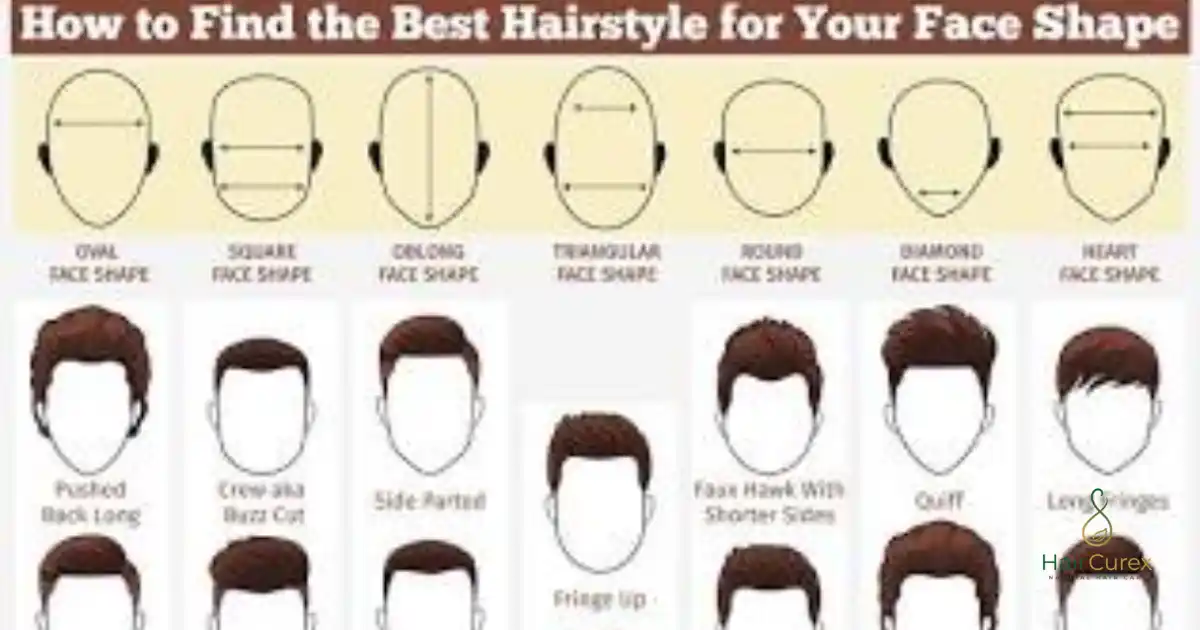
With so many haircut ideas floating around, narrowing things down comes down to a few key factors. Start with your face shape, since this alone eliminates styles that likely won’t flatter your features. From there, consider your natural hair texture. Fighting curls into a blunt, straight bob every single day sounds exhausting, and honestly, it usually is.
Lifestyle plays a massive role too. Someone with a demanding job and little time in the mornings should lean toward low-maintenance haircuts, while someone who genuinely enjoys styling their hair might embrace something more elaborate. Bringing reference photos to your appointment helps enormously, since verbal descriptions of length or texture can mean different things to different people.
Don’t underestimate the value of a proper consultation either. A skilled stylist will ask about your daily routine, your hair’s natural behavior, and your styling habits before ever picking up the scissors. This conversation often prevents the classic post-haircut regret that happens when expectations and reality don’t line up.
How to Maintain Your Hair Cut and Keep It Looking Fresh
Getting a great cut is only half the battle; keeping it looking sharp requires a bit of ongoing effort. Short cuts generally need trims every four to six weeks to maintain their shape, while medium and long cuts can typically stretch to eight or ten weeks between visits, since growth is less noticeable on longer lengths.
Using the right products matters just as much as the cut itself. Lightweight styling creams work well for fine hair, while richer, more hydrating products suit thicker or curlier textures. Heat protectant spray should become a non-negotiable step for anyone regularly using hot tools, since repeated heat exposure without protection leads to dryness and breakage over time.
Gentle brushing habits also extend the life of your cut. Using a wide-tooth comb on wet hair, rather than a standard brush, reduces breakage significantly. Sleeping on a silk or satin pillowcase can also help preserve texture and reduce frizz overnight, something many people overlook entirely.
Conclusion
There’s genuinely a perfect haircut out there for every hair type, every face shape, and every lifestyle. From bold pixie cuts to elegant long layers, from trendy wolf cuts to timeless bob haircuts, the sheer variety of hairstyles and haircuts available today means nobody has to settle for a style that doesn’t feel like them. The key takeaway? Understanding your face shape, your natural texture, and how much time you’re realistically willing to spend styling each day will guide you toward a cut you’ll actually love long after you leave the salon chair.
So go ahead, book that consultation, bring your reference photos, and have an honest conversation with your stylist. The right haircut is closer than you think, and it might just be the confidence boost you didn’t know you needed.
Frequently Asked Questions
What is the most popular haircut right now?
The bob haircut and the wolf cut currently rank among the most requested styles across salons in the United States, thanks to their versatility and social media popularity.
How often should I get a haircut?
Short cuts typically need trims every four to six weeks, while medium and long styles can usually go eight to ten weeks between visits.
What haircut suits a round face best?
Layered lobs and pixies with added height on top tend to work best for haircuts for round face shapes, since they add angles and elongate the overall silhouette.
Can I choose a haircut based on my hair texture?
Absolutely. Straight hair suits blunt cuts well, wavy hair pairs nicely with shags and layers, and curly hair typically looks best with curly-specific cutting techniques.
What’s the difference between a lob and a bob?
A bob typically ends around the jawline or chin, while a lob, or long bob, extends further down to around the collarbone.
Are low-maintenance haircuts good for thick hair?
Yes, layered cuts and textured crops both work wonderfully for thick hair, removing bulk while keeping styling time to a minimum.
How do I know what haircut will suit me?
Determine your face shape, consider your hair’s natural texture, and bring reference photos to a consultation so your stylist can tailor recommendations specifically to you.