
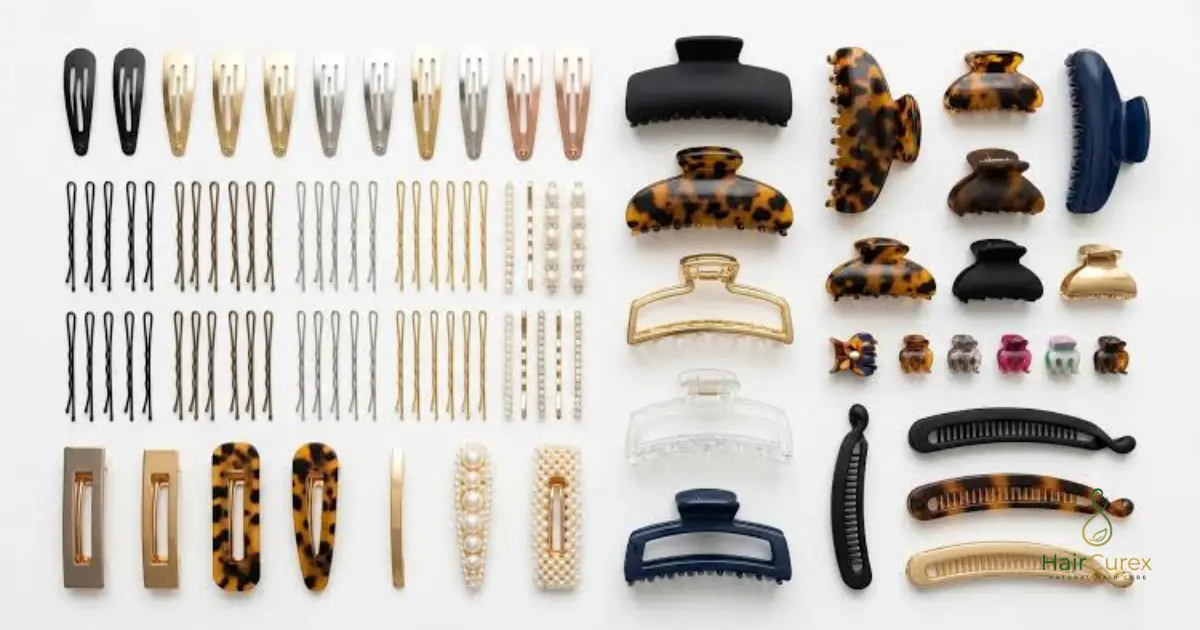
Hair clips are small tools used to hold hair in place. They come in many shapes and sizes. People use them for style or convenience.
Everyone has had a bad hair day that a single clip could have fixed in seconds. Maybe you woke up late, your hair had a mind of its own, and you needed a fix that didn’t involve twenty minutes with a flat iron. That’s where hair clips step in. What used to be a purely practical item has turned into one of the most versatile hair accessories on the market today. From claw clips on TikTok to pearl hair clips showing up on red carpets, this humble tool has earned a permanent spot in beauty routines across the USA.
This guide walks you through everything worth knowing about hair clips. You’ll learn about the many types of hair clips available, which ones work best for thick hair, thin hair, or fine hair, and how to style your hair with clips for almost any occasion. We’ll also cover trendy hair clips for 2026, how to pick the right one for your hair type, and how to keep your clips clean and your hair damage-free. Grab a cup of coffee, because we’re covering a lot of ground.
What Are Hair Clips and Why Are They So Popular?
A hair clip is a small device designed to hold, section, or decorate hair. Some are purely functional, like the alligator hair clips hairstylists use to section hair during a haircut. Others are designed to be seen, like a pearl hair clip or a flower hair clip meant to catch the light.
Their popularity didn’t happen overnight. For years, hair clips were seen as something you’d toss in your bag for emergencies, not something you’d plan an outfit around. That changed when claw clips became a fixture on social media. Suddenly, people weren’t hiding their clips, they were showing them off. Pinterest boards filled up with hair clip hairstyles, and brands started releasing collections built entirely around decorative hair clips.
There’s also a practical reason behind the surge in popularity. Heat styling damages hair over time, and more people are looking for ways to look put-together without frying their strands daily. Hair clips solve that problem. You can create a full hairstyle without a single pass of a curling iron, and that convenience matters, especially for people juggling work, school, and everything in between.
15+ Different Types of Hair Clips You Should Know
Walk into any beauty aisle and you’ll find a dizzying number of options. Knowing the types of hair clips available makes it much easier to pick the right one for your needs. Below is a breakdown of the most common styles you’ll come across, along with what each one does best.
| Clip Type | Best For | Typical Material |
|---|---|---|
| Claw clips | Thick hair, quick updos | Plastic, acrylic |
| Butterfly hair clips | Decorative accents, half-up styles | Plastic, metal |
| Banana hair clips | Long, heavy hair | Plastic, metal |
| Snap hair clips | Fine hair, securing bangs | Metal, plastic |
| Bobby pins | Small sections, flyaways | Metal |
| French barrette clips | Formal looks, low ponytails | Metal, acrylic |
| Bow hair clips | Everyday cute styles | Fabric, plastic |
| Pearl hair clips | Formal or bridal looks | Metal with pearl beads |
| Alligator hair clips | Sectioning during styling | Metal |
| Duckbill clips | Sectioning, styling prep | Metal |
| Flower hair clips | Feminine, spring/summer looks | Fabric, resin |
| Rhinestone clips | Statement pieces, evening wear | Metal with crystals |
| Mini hair clips | Fine hair, subtle accents | Plastic, metal |
| Tortoiseshell clips | Classic, minimalist styling | Acrylic |
| Acrylic hair clips | Everyday durability | Acrylic |
| Resin hair clips | Handmade, artistic designs | Resin |
| Convertible clips | Multi-use styling | Mixed materials |
Each of these serves a different purpose, and most people end up owning a mix. A claw clip handles the heavy lifting on a lazy day, while a pearl hair clip comes out for something special. The point isn’t to pick just one type. It’s to build a small collection that covers different hair lengths, textures, and occasions.
Best Hair Clips for Short, Medium, and Long Hair
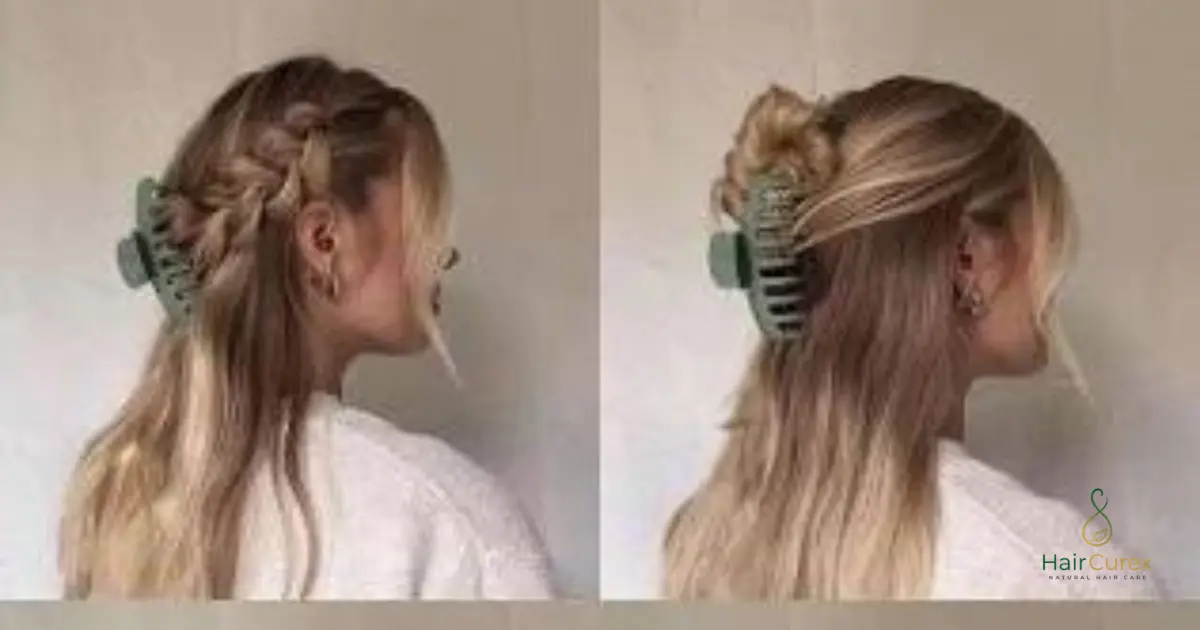
Hair length changes everything when it comes to picking the right clip. What works beautifully on long hair might slide right out of a short bob, so it helps to match the clip size to your length.
If you have short hair, smaller tools work best. Mini hair clips, small snap clips, and petite barrettes sit closer to the scalp and won’t overwhelm shorter strands. They’re perfect for pinning back a section near the face or adding a decorative touch without needing a full ponytail’s worth of hair.
Medium-length hair has a bit more flexibility. A medium claw clip can gather enough hair for a half-up style, and butterfly hair clips work nicely for sectioning off pieces around the crown. This length also handles banana hair clips reasonably well, especially for low, sleek looks.
Long hair gives you the most room to experiment. Large claw clips, oversized banana clips, and even double-clip techniques (using two clips to secure a bigger updo) all shine here. Long, heavy hair also benefits from stronger materials, since thinner plastic can snap under the extra weight.
Cute Hair Clips for Everyday Hairstyles
Not every day calls for an elaborate look, and that’s exactly why cute hair clips exist. A single snap clip can pull back the sides of your hair in under ten seconds. A small claw clip can gather a low bun before your coffee even finishes brewing.
For a half-up hair clip hairstyle, gather the top section of your hair, twist it gently, and secure it with a mini claw or a bow hair clip near the crown. This style works for almost any hair texture and takes less than a minute once you get the hang of it.
A messy bun with a hair clip is another everyday favorite. Twist your hair into a loose bun, tuck the ends under, and clip it in place. It looks effortless because it is effortless, and that’s precisely the appeal. Hair clips for ponytails work the same way. Wrap a decorative clip around the base of a ponytail instead of a plain elastic, and you get a finished look without any extra steps.
Best Hair Clips for Thick and Heavy Hair
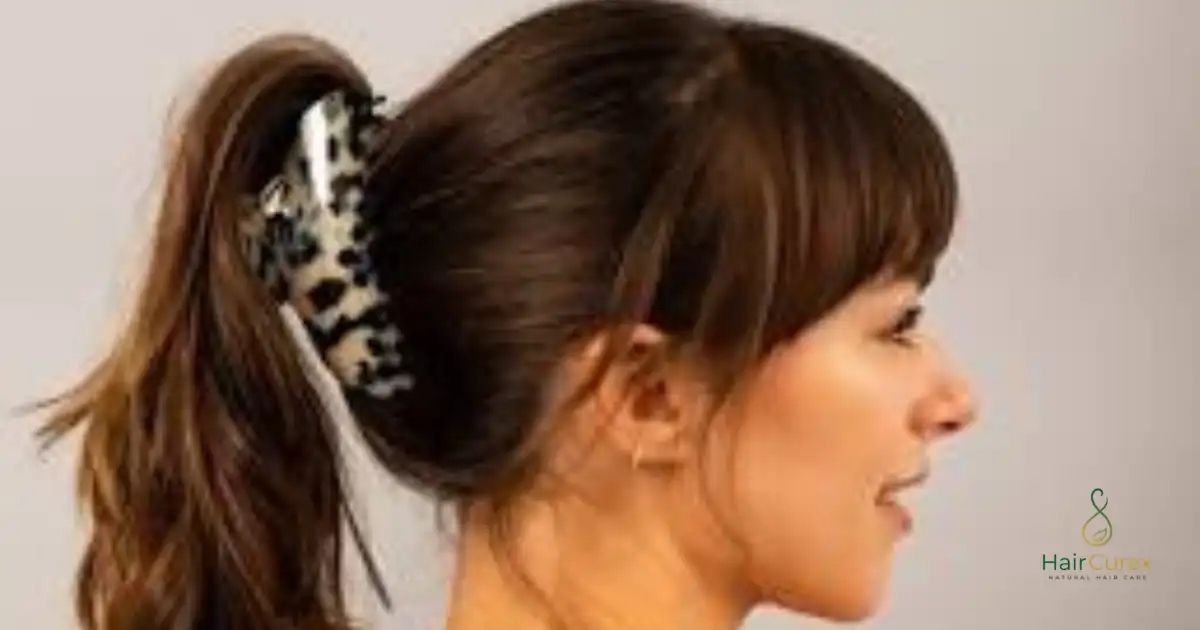
Thick hair needs sturdier support. A flimsy plastic clip might look cute in the store, but it won’t hold up against a full head of dense hair. If you’re shopping for hair clips for thick hair, look for options with strong springs and wide teeth that can grip large sections without slipping.
Large claw clips are the gold standard here. Metal or thick acrylic construction handles the weight far better than thin plastic. Banana hair clips also work well for thick hair, particularly for low ponytails or buns where you need a firm, non-slip hold.
One thing to avoid: cheap, lightweight clips that promise a lot but deliver little. They tend to snap or pop open under pressure, which is frustrating and can even pull at your hair. A quick industry note worth remembering, as noted by hairstylists who work with textured and dense hair daily, is that stronger tension springs matter more than size when it comes to a secure hold.
Hair Clips for Thin and Fine Hair
Fine hair has the opposite problem. Heavy clips slide right out, and thick claw clips can look bulky against thinner strands. If you’re choosing hair clips for thin hair, lightweight materials and smaller sizes tend to work best.
Small snap clips, mini barrettes, and lightweight acrylic clips grip fine hair more effectively than smooth metal ones. Texture matters too. A clip with slightly grippy teeth holds better than a completely smooth surface, since fine hair has less natural friction to keep things in place.
Non-slip hair clips designed specifically for fine or silky hair often include rubberized grips or finer teeth spacing. These small design details make a noticeable difference, especially if you’ve dealt with clips constantly falling out throughout the day.
How to Style Your Hair With Clips
Learning how to style your hair with clips opens up a surprising number of options. Here’s a simple, step-by-step look at four popular styles.
For a half-up clip style, start by sectioning the top half of your hair, from ear to ear. Twist it once or twice for texture, then secure it with a medium claw clip. For a twisted claw bun, gather all your hair at the nape of your neck, twist it upward into a spiral, and clip the twisted section in place with a large claw clip. A front-clip pin-back look works well for keeping hair out of your face during work or school: simply pin back small sections on each side using snap clips or bobby pins. For a braided clip style, braid a small section of hair near your temple and secure the end with a mini decorative clip, letting the rest of your hair flow naturally.
A texturizing spray or a wide-tooth comb makes all of these styles easier to execute, especially on second-day hair that already has some grip built in.
Best Hair Clips for Work, School, and Casual Outings
Context matters just as much as hair type when picking a clip. For the office, sleek and professional options work best. Matte-finish claw clips in neutral tones like black, brown, or tortoiseshell look polished without drawing too much attention.
School calls for something more durable and budget-friendly. Kids and teens go through hair accessories quickly, so affordable snap clips or fun-patterned bow hair clips make practical choices that won’t break the bank if they get lost.
Casual outings are where you can have fun. Statement pieces like pearl hair clips, rhinestone clips, or bold-colored acrylic clips add personality to an otherwise simple outfit. As one accessory designer put it in a recent interview, “the right clip can do more for an outfit than an extra ten minutes of styling ever could.”
Trendy Hair Clip Hairstyles for 2026
Hair clip trends shift a bit each year, and 2026 is leaning into oversized shapes and mixed-metal finishes. Chunky claw clips in warm gold and brushed silver tones are showing up frequently, often paired with mismatched sets rather than matching pairs. Mismatched clip sets, where two different colors or shapes are worn together, have become a favorite among younger audiences looking for a more playful, personalized look.
Metallic finishes on acrylic hair clips are also trending, giving that shiny, polished look without the higher price tag of solid metal. Seasonal color trends continue to lean toward warm neutrals, soft pastels for spring and summer, and deep jewel tones for fall and winter collections.
How to Choose the Right Hair Clips for Your Hair Type
Picking the right hair clip really comes down to four factors: thickness, length, texture, and occasion. Start by being honest about your hair thickness. Thick hair needs strong-hold hair clips with sturdy springs, while thin or fine hair does better with lightweight hair clips that won’t weigh strands down or slip out.
Next, think about length. Shorter hair pairs well with smaller clips, while longer hair can handle bigger, bolder pieces. Texture plays a role too. Curly hair often benefits from clips with wider teeth that can grip through volume, while straight, sleek hair usually holds better with smoother, snap-style clips.
Finally, consider where you’re wearing it. A clip perfect for a beach day might feel out of place in a client meeting. A common mistake people make is buying clips based purely on appearance without checking the grip strength or teeth spacing, which often leads to disappointment once they actually try to use it.
How to Wear Hair Clips Without Damaging Your Hair
Hair clips are gentle compared to heat tools, but they can still cause damage if worn incorrectly. The biggest culprit is tension. Clipping your hair too tightly, especially in the same spot every day, can lead to breakage or even traction alopecia over time.
A good rule of thumb: if it feels tight enough to give you a headache, it’s too tight. Loosen the section slightly before clipping it in place. It’s also smart to rotate where you place your clips rather than using the exact same spot daily. Constant pressure on one section weakens the hair there over time.
Removing clips before bed matters too. Sleeping with a clip still in place can create pressure points and tangles that are frustrating to deal with in the morning. Treat your hair clips as a daytime accessory, not an overnight one.
How to Clean and Store Your Hair Clips
Hair clips collect oil, product residue, and dust faster than most people expect. Cleaning them regularly keeps them working well and looking fresh. Metal hair clips can be wiped down with a damp cloth and mild soap, then dried thoroughly to prevent rust. Plastic and acrylic hair clips can be soaked briefly in warm, soapy water before being rinsed and air-dried. Fabric-covered clips, like some bow hair clips, should be spot-cleaned rather than soaked to avoid damaging the fabric.
As for storage, a small drawer organizer or a clear jar on your vanity works wonders for keeping clips visible and tangle-free. Some people prefer hanging organizers with individual pockets, which work particularly well for larger collections of decorative hair clips. Cleaning your clips once every couple of weeks, or more often if you use styling products daily, helps prevent buildup that can eventually transfer back onto clean hair.
FAQs
Do hair clips cause hair loss?
Not typically, as long as they aren’t worn too tightly or left in for extended periods. Excessive tension is the main risk factor, not the clip itself.
What’s the best clip for thick hair?
Large claw clips with strong springs and wide teeth generally offer the best hold for thick or heavy hair.
Can kids use metal hair clips safely?
Yes, though snap clips or plastic options with rounded edges are often a gentler choice for younger children.
How do I stop clips from sliding out?
Look for non-slip hair clips with textured grips, and make sure you’re using a size appropriate for your hair’s thickness and length.
Are claw clips bad for your hair?
Not when used correctly. Avoid clipping too tightly, and rotate placement to prevent stress on any single section of hair.
How often should I replace my hair clips?
Replace them when the spring loosens, the teeth chip, or the hinge feels unstable, since a worn-out clip won’t hold securely anymore.
Conclusion
Hair clips have come a long way from the plain, purely functional tools they used to be. Today, they’re a genuine hair accessory category of their own, covering everything from cute hair clips for a quick everyday look to decorative hair clips built for formal occasions. Whether you’re dealing with thick hair, fine hair, or something in between, there’s a clip out there designed to work with your specific texture and length.
The best approach is to build a small collection that covers different needs: something sturdy for busy mornings, something decorative for special occasions, and something durable for everyday wear and tear. Once you find the right mix, you’ll wonder how you ever managed your hair without them. Give a few different types a try, pay attention to how they feel and hold up throughout the day, and you’ll land on your personal favorites soon enough.