
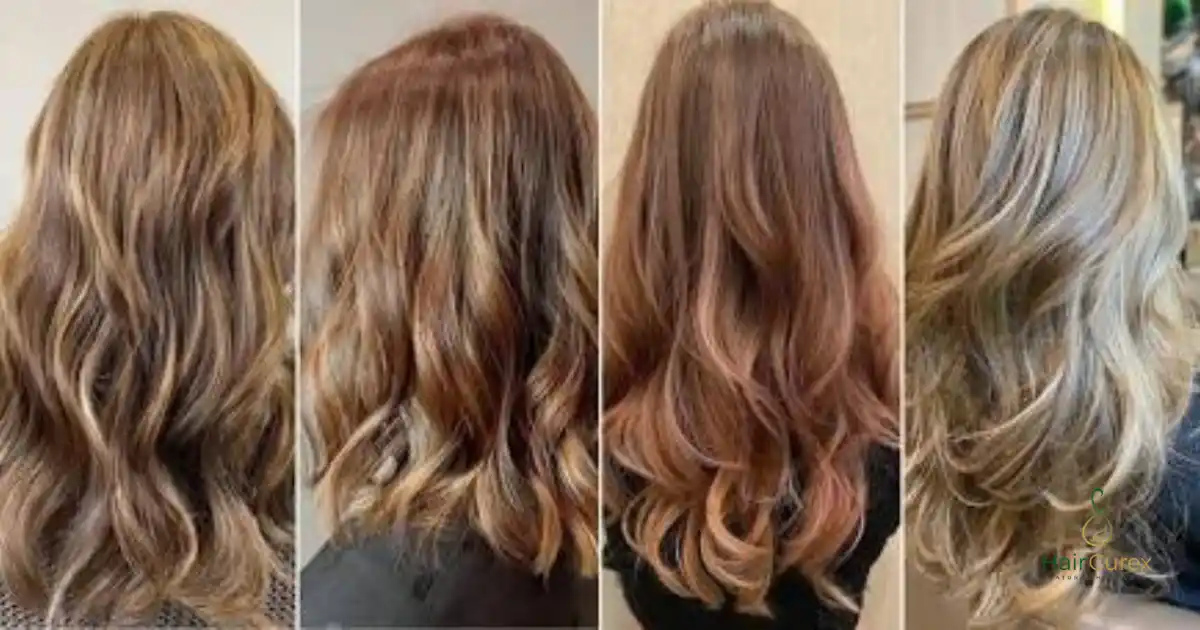
Balayage hair is a hand-painted highlighting method. It gives soft, natural color. Hair looks sun-kissed and blended.
Want hair that turns heads everywhere? Balayage gives you that dreamy glow. It’s easier to achieve than you think.
This guide covers everything about balayage hair color, from the technique itself to cost, maintenance, and the best shades for your hair type. Grab a cup of coffee and let’s dig in.
What Is Balayage Hair?
Balayage comes from the French word “balayer,” which means “to sweep.” That’s exactly what a stylist does with this technique — they sweep color onto small sections of hair using a brush, rather than wrapping strands in foil. The result? A soft, graduated look that mimics how the sun naturally lightens hair over a summer spent outdoors.
Unlike traditional highlighting methods, balayage highlights don’t follow a strict, uniform pattern. Instead, stylists paint color freehand, focusing on areas where light would naturally hit your hair, such as around your face and along the top layers. This freehand approach is why balayage hair color looks so effortless and lived-in.
Here’s the thing that makes balayage so popular: it grows out beautifully. Because the color is painted with a soft gradient rather than starting right at the root, you won’t see harsh regrowth lines staring back at you in the mirror a few weeks later. That’s a huge win if you’re tired of rushing back to the salon every four to six weeks.
Stylists sometimes use foils alongside the painting technique to seal in lightener and speed up processing, but the core idea stays the same: hand-placed, sun-kissed color that looks like it happened naturally, not in a salon chair.
Quick fact: Balayage was first popularized in French salons during the 1970s, though many stylists trace its roots even further back to techniques used decades earlier.
How Is Balayage Hair Different From Highlights?
This question comes up constantly, and for good reason — the two techniques can look similar in photos but work very differently in practice.
Traditional foil highlights involve sectioning the hair, applying color evenly from root to tip within each foil, and creating a more uniform, consistent result throughout your head. Balayage, on the other hand, skips the root and focuses on the mid-lengths and ends, blending everything by hand for a softer transition.
Think of it this way: foil highlights are like painting with a ruler and a straight edge, while balayage hair color is like painting with a free hand and a loose wrist. One gives you precision and uniformity. The other gives you movement and dimension.
The table below breaks down the balayage vs highlights comparison so you can see the differences at a glance.
| Feature | Balayage | Traditional Highlights |
|---|---|---|
| Application method | Hand-painted | Foil-wrapped |
| Root growth | Soft, gradual | Visible line after a few weeks |
| Maintenance frequency | Every 3–4 months | Every 4–6 weeks |
| Best for | Low-maintenance color | High-contrast, uniform color |
| Overall look | Natural, sun-kissed | Bold, defined |
Neither technique is objectively “better” — it really comes down to what you want. If you love a low-maintenance style that grows out gracefully, balayage wins. If you want crisp, dramatic contrast, classic foils might suit you more.
Best Balayage Hair Colors for Every Hair Type
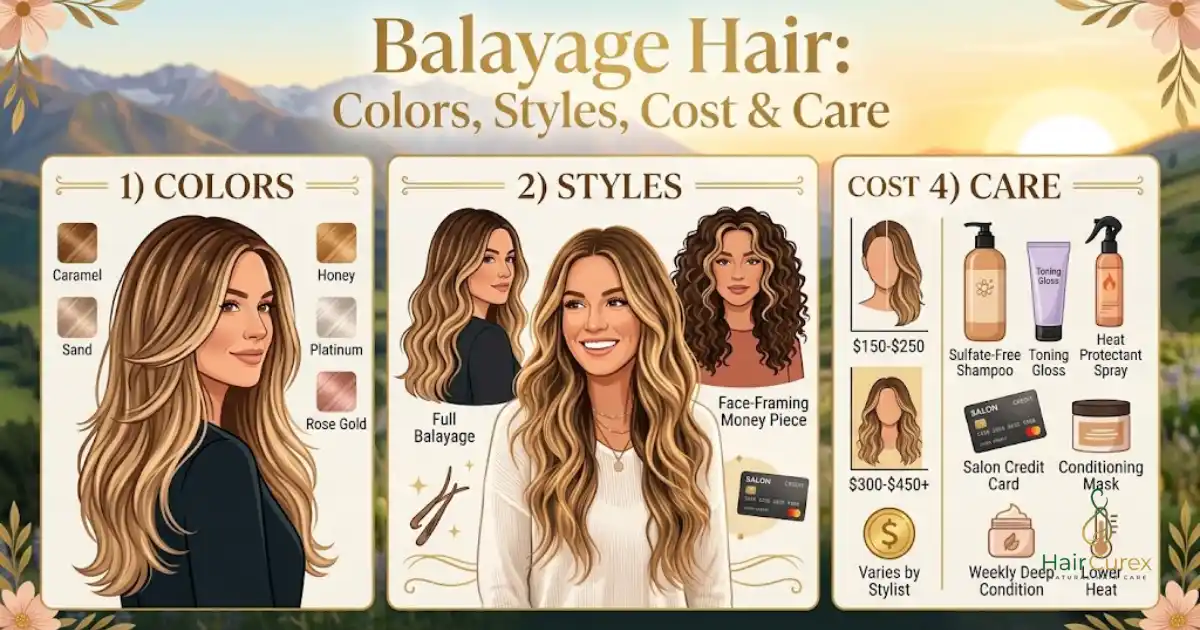
Choosing the right balayage hair color depends on more than just what looks trendy on Pinterest. Your natural hair color, skin undertone, and even your lifestyle all play a role in picking a shade that actually works for you.
Warm-toned balayage colors, like caramel balayage and honey balayage, tend to flatter people with golden, peachy, or olive undertones. These shades add richness without looking harsh, and they blend seamlessly into brown and dark blonde base colors. Cooler shades, such as ash blonde or champagne, tend to suit fair or pink-toned skin better, since they neutralize warmth rather than adding to it.
Here’s a stylist’s tip worth remembering: “The best balayage isn’t about copying a photo — it’s about matching tones to your skin and eyes so the color looks like it belongs there,” says one New York-based colorist who’s worked with balayage for over a decade.
If you’re unsure where to start, bring reference photos to your consultation, but stay open to your stylist’s suggestions. They can see undertones and hair texture in ways a photo simply can’t capture.
Popular Balayage Hair Ideas to Try
Balayage isn’t a one-size-fits-all technique, and that’s part of its charm. There are countless balayage hair ideas that let you customize the final look based on your personality and how much maintenance you’re willing to commit to.
The money piece balayage focuses lightened strands right around the face, framing your features and brightening your overall complexion. It’s a favorite among people who want maximum impact with minimal color throughout the rest of the head.
Babylights balayage combines the fine, delicate highlighting technique typically used on kids with the freehand painting style of balayage. The result is subtle, barely-there dimension that looks incredibly natural, almost like you were born with it.
Reverse balayage works in the opposite direction, adding darker, richer tones back into previously lightened hair. This is a popular choice for people transitioning away from heavily bleached hair without going through a jarring, all-at-once color change.
Adding lowlights alongside your balayage highlights creates even more depth and dimension, especially for those with thicker or longer hair that can handle multiple tonal layers without looking muddy.
Best Balayage Hair for Brunettes
Brunette balayage might be the most requested color combination in salons across the country, and it’s easy to see why. Warm caramel balayage and honey balayage tones melt beautifully into dark brown bases, creating a rich, multidimensional look without requiring dramatic lightening.
For brunettes who want something subtler, a few face-framing pieces done in a shade or two lighter than the natural base color can brighten the whole face without screaming “I just got my hair colored.” For those who want more drama, going several shades lighter throughout creates a bronde (brown-blonde) effect that’s been trending for years and shows no signs of slowing down.
One important note for brunette balayage: darker hair often requires more processing time to lift to lighter shades, so be upfront with your stylist about how light you actually want to go. Overprocessing dark hair can lead to brassiness or damage if it’s rushed.
Best Balayage Hair for Blondes
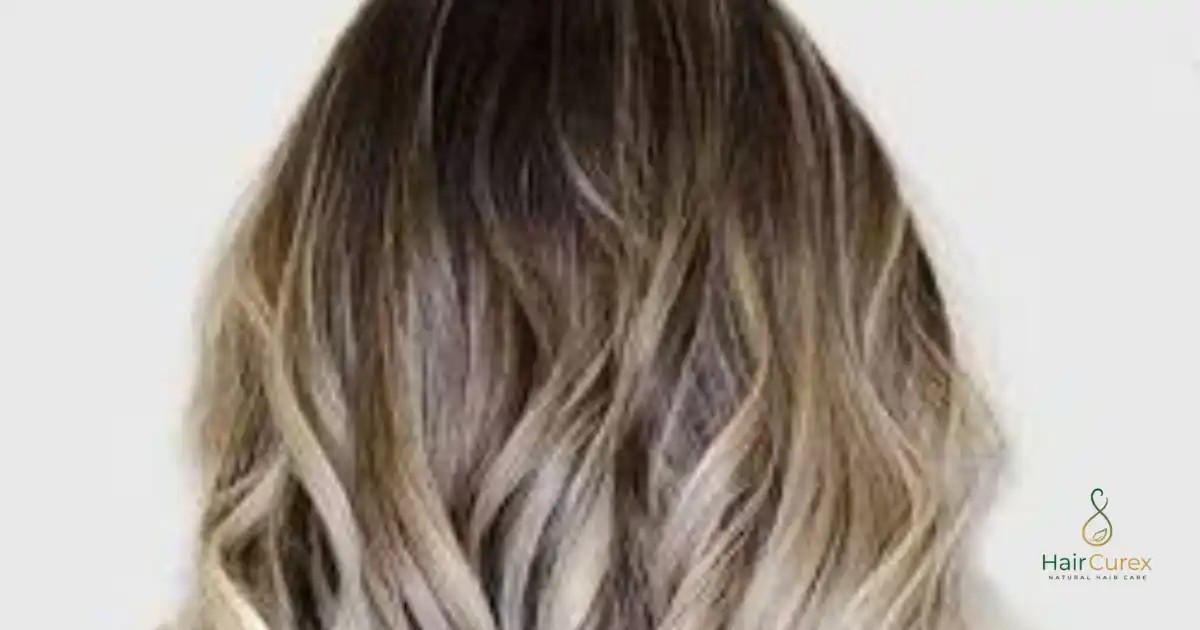
If you’re already blonde, balayage highlights can add much-needed depth and prevent that flat, one-dimensional look that solid-color blonde hair sometimes falls into. Beach blonde balayage, with its mix of buttery, vanilla, and champagne tones, replicates that “just got back from vacation” glow that so many people chase.
Blondes face one common enemy: brassiness. As lightened hair grows out and gets exposed to sun, chlorine, and hard water, it can develop unwanted yellow or orange tones. Purple shampoo becomes your best friend here, helping to neutralize brassiness between salon visits.
Buttery blonde balayage, with its warm golden undertones, works particularly well for those with warmer skin tones, while icy or platinum balayage suits cooler undertones and pairs nicely with fair, pink-toned skin.
Best Balayage Hair for Black Hair
Balayage for black hair has exploded in popularity, and it’s not hard to understand why. The contrast between deep, dark strands and warm, sun-kissed pieces creates a striking, dimensional look that solid black hair simply can’t achieve on its own.
Warm bronze and copper balayage tones tend to look especially vibrant against black hair, adding richness without requiring extreme lightening. Face-framing balayage, where just a few pieces around the hairline are lightened, offers a more subtle option for those who want dimension without a major commitment.
Because black hair often has a higher melanin content, lifting it to lighter shades can take longer and may involve multiple sessions to avoid damage. A skilled colorist will typically recommend a gradual approach, especially if you’re going for warm caramel or honey tones rather than dramatic blonde. Protecting hair health should always come first, and a good stylist will prioritize the condition of your strands over rushing to a final color.
Balayage Hair Ideas for Short, Medium & Long Hair
One of the best things about balayage hair color is that it works beautifully regardless of length. The technique simply adapts to however much hair you’re working with.
On short hair, like pixie cuts and bobs, balayage tends to focus on smaller, more concentrated sections since there’s less length to work with. This creates subtle dimension that catches the light every time you move your head, without overwhelming a shorter style.
Medium-length cuts, including lobs and shoulder-grazing styles, offer more room for stylists to play with placement, allowing for both face-framing pieces and subtle lengthwise dimension. This length tends to be the sweet spot for showing off balayage’s signature graduated effect.
Long hair gives balayage the most room to shine — literally. With more length to work with, colorists can create dramatic, multi-tonal effects that flow beautifully with waves and layers. Long hair also tends to show off the technique’s soft grow-out pattern especially well, since there’s more visible transition between the root and the lightened ends.
How Much Does Balayage Hair Cost?
Balayage cost varies quite a bit depending on where you live, your hair length, and the experience level of your stylist. In the United States, balayage typically runs anywhere from $150 to $400, though high-end salons in major cities like New York or Los Angeles can charge upwards of $500 or more for extensive color work.
The table below gives a general idea of what to expect based on hair length.
| Hair Length | Average Cost Range (USD) |
|---|---|
| Short hair | $100–$200 |
| Medium-length hair | $150–$300 |
| Long hair | $250–$450+ |
Several factors influence the final price tag. Salon location plays a huge role, since big-city salons generally charge more than smaller-town shops. Stylist experience matters too — a master colorist with years of balayage expertise will likely charge more than a newer stylist, but the results often justify the cost. Hair type and starting color also affect pricing, since dark hair requiring significant lightening takes more time, product, and skill than hair that’s already light.
Some people consider at-home balayage kits to save money, and while they exist, they come with real risks. Achieving that soft, blended look freehand takes serious skill, and DIY attempts can easily result in patchy, uneven color that’s expensive to fix at a salon later. Most stylists agree it’s worth the investment to get it done professionally, at least for your first balayage experience.
How Long Does Balayage Hair Last?
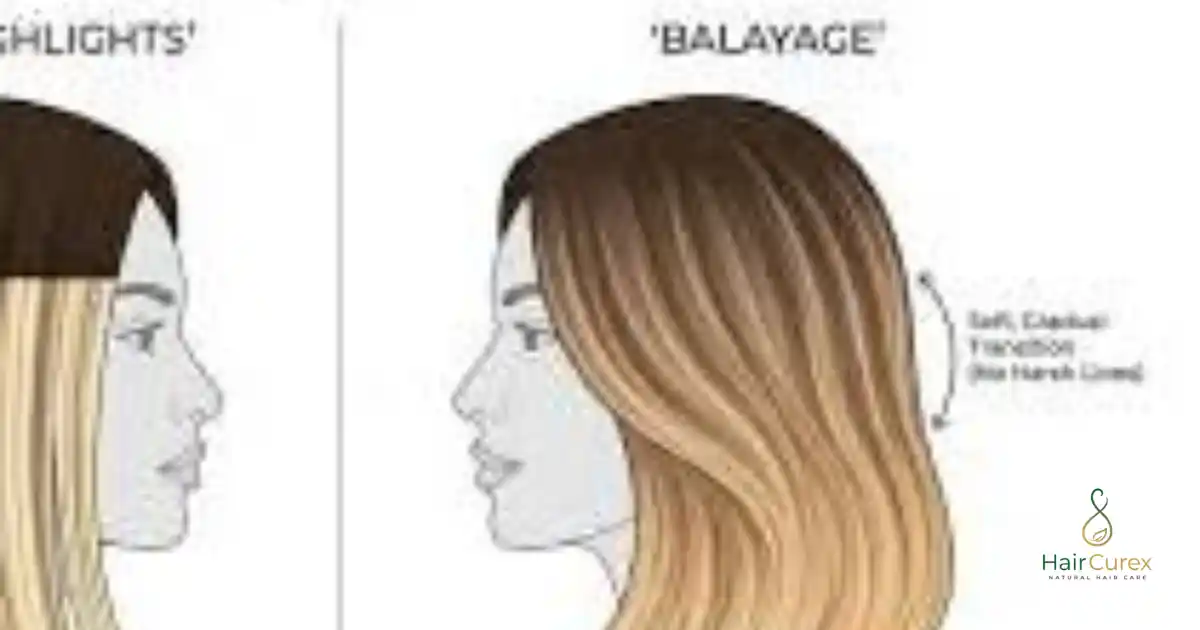
One of balayage’s biggest selling points is longevity. Because the color transition is soft and gradual, most people can go three to four months between touch-ups, compared to the four-to-six-week cycle required by traditional highlights.
That said, “lasting” doesn’t mean the color won’t fade or shift over time. Hair naturally sheds pigment with washing, sun exposure, and heat styling, so the vibrancy of your balayage will gradually soften even if you don’t need a root touch-up right away.
Signs that it’s time for a refresh include noticeable regrowth at the root (though this happens more gradually than with foils), fading or brassiness in the lightened sections, and a general loss of dimension where everything starts to blend into one flat tone. Scheduling a consultation with your stylist every few months, even just to assess your color, can help you stay ahead of these changes.
How to Maintain and Care for Balayage Hair
Balayage maintenance doesn’t have to be complicated, but it does require some intentional effort to keep your color looking fresh and your hair healthy.
Start with your shampoo and conditioner. Color-safe, sulfate-free formulas help prevent premature fading, since sulfates strip color molecules from the hair shaft every time you wash. For blonde or lightened balayage, a purple or blue-toned shampoo used once or twice a week helps combat brassiness and keeps tones looking crisp rather than muddy.
Heat styling is another major factor in how long your balayage hair color stays vibrant. Always use a heat protectant before blow-drying, curling, or straightening, since excessive heat exposure breaks down hair’s protein structure and accelerates color fading. Lowering your tool’s temperature setting, even by 20 or 30 degrees, can make a noticeable difference over time.
Deep conditioning treatments, whether from a salon or a quality at-home mask, help restore moisture that lightening treatments naturally strip away. Aim for a deep conditioning treatment at least once a week if your hair has been significantly lightened.
As for touch-up frequency, most balayage clients return every three to four months for a refresh, though this varies based on how quickly your hair grows and how much contrast you’re maintaining between your natural color and your balayage highlights.
A quick maintenance rule of thumb: wash with sulfate-free, color-safe products, reach for a toning shampoo weekly if you have blonde or lightened pieces, apply heat protectant before every styling session, deep condition regularly to combat dryness, and schedule touch-ups every three to four months. Stick to this routine and your balayage hair care will feel effortless rather than like a chore.
Is Balayage Hair Right for You?
Balayage suits a wide range of lifestyles, but it’s worth being honest with yourself about what you actually want from your hair color before booking an appointment.
If you love a low-maintenance routine and don’t want to think about your roots every few weeks, balayage is likely a great fit. Its soft grow-out pattern means you can stretch appointments further apart than you could with traditional highlights, saving both time and money in the long run.
Before your appointment, ask your stylist a few key questions. How many sessions will it take to reach your desired shade, especially if you’re starting from very dark hair? What’s the realistic maintenance schedule for the specific tone you’re choosing? And what at-home products do they recommend to protect your investment?
On the flip side, if you crave bold, high-contrast color or you want a completely uniform shade from root to tip, balayage might not scratch that itch. In those cases, traditional foil highlights or an all-over color might serve you better.
Conclusion
Balayage hair has earned its popularity for good reason. It delivers natural, sun-kissed dimension, grows out gracefully, and adapts to virtually any hair length, color, or texture. Whether you’re drawn to caramel balayage on brunette hair, buttery tones on a blonde base, or warm bronze pieces woven through black hair, this technique offers endless room for customization.
The key to a great result lies in finding a skilled colorist who understands your hair’s unique starting point and your desired outcome. Balayage isn’t just a trend — it’s a technique that’s stood the test of time because it simply works. If you’ve been considering a change, booking a consultation with a trusted stylist is the best next step toward finding your perfect balayage look.
FAQs
Is balayage hair damaging?
Balayage itself isn’t inherently more damaging than other coloring techniques, but any lightening process can stress hair if it’s not done carefully. A skilled colorist will assess your hair’s health and adjust their approach to minimize damage.
Can I get balayage on virgin (non-colored) hair?
Absolutely. In fact, virgin hair often takes balayage color beautifully since it hasn’t been altered by previous chemical treatments.
How is balayage different from foils?
Balayage is hand-painted directly onto the hair, while foil highlights involve wrapping sections in foil to isolate and process the color. Balayage tends to create a softer, more natural gradient, while foils produce more uniform, defined highlights.
Does balayage work on curly hair?
Yes, and it often looks stunning on curls. The painted, dimensional nature of balayage complements the way curls catch and reflect light.
Can I do balayage at home?
Technically yes, but it’s risky. Achieving that soft, blended look takes skill and experience, and DIY attempts often result in uneven, patchy color. For best results, it’s worth trusting a professional, especially for your first time.