
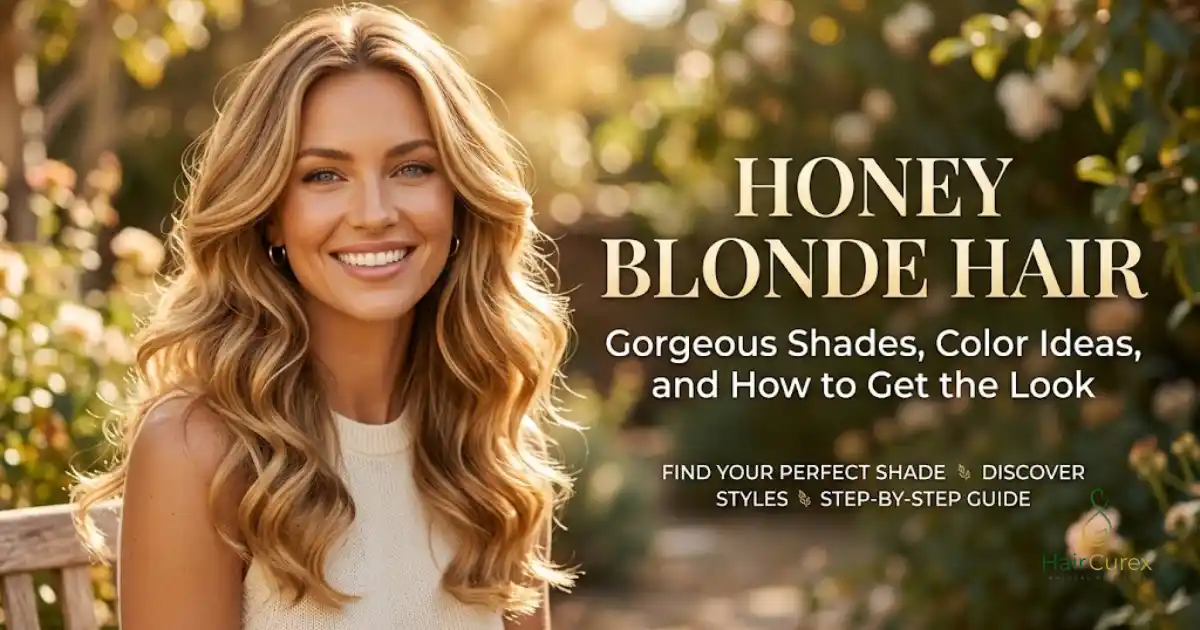
Honey blonde hair is a warm shade of blonde. It mixes golden and light brown tones. The result looks soft, rich, and natural.
Honey blonde hair has a way of catching the light and holding onto it. It’s warm, it’s rich, and it somehow manages to look both effortless and expensive at the same time. If you’ve been scrolling through salon inspiration boards or stopping mid-scroll on Instagram because someone’s hair looks like liquid gold, chances are you’ve landed on this exact shade. This guide walks you through everything worth knowing about honey blonde hair shades, from what makes the color unique to how you can get it, keep it, and make it work for your skin tone.
What Is Honey Blonde Hair?
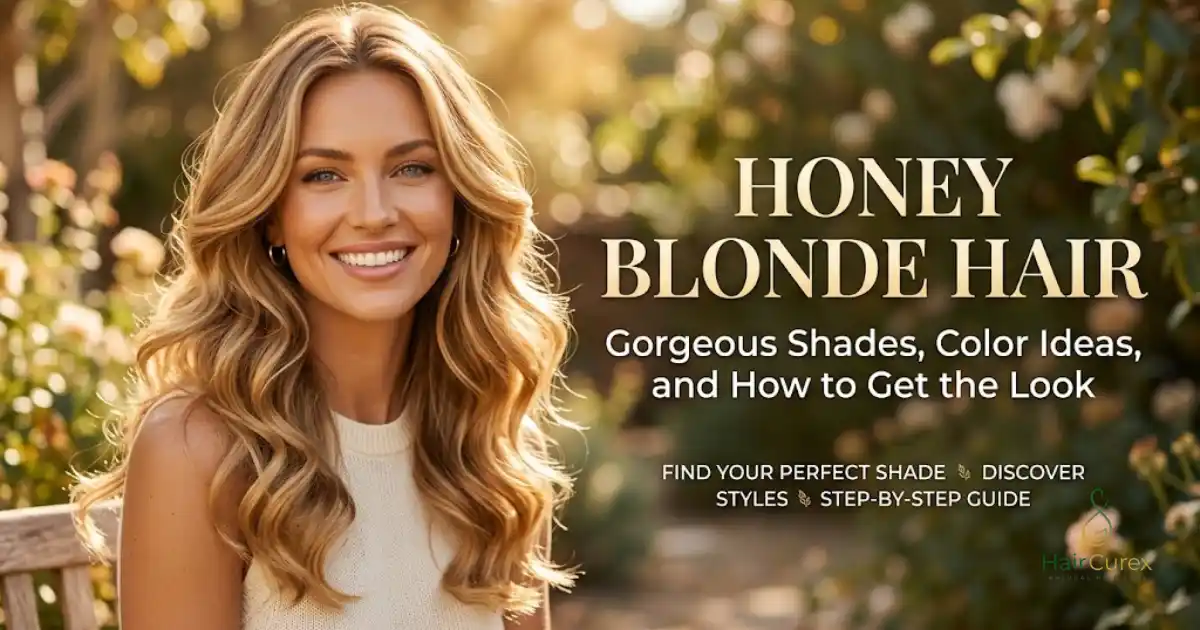
Honey blonde hair sits right in that sweet spot between gold and light brown. Picture actual honey dripping off a spoon, catching sunlight through a kitchen window. That amber, warm, slightly caramelized tone is exactly what colorists are chasing when they mix up a honey blonde formula. Unlike ash blonde, which leans cool and sometimes almost gray, honey blonde hair carries warmth in every strand. It’s neither as pale as platinum nor as deep as bronde hair, which makes it one of the more forgiving and universally flattering blonde shades out there.
What really sets natural honey blonde hair apart is its depth. A single-process blonde can look flat under artificial light, but honey blonde hair color ideas almost always involve some kind of dimension, whether that’s subtle babylights or a soft balayage. The color moves. It shifts between gold and caramel depending on the light source, which is part of why it photographs so well and why it’s become one of the most requested shades at salons across the country.
Colorists often describe honey blonde hair as a “transitional” shade too, meaning it works beautifully whether you’re going lighter from a natural brunette base or toning down from a much brighter platinum. That flexibility is a big reason this color has stuck around season after season instead of fading into a passing trend.
Why Is Honey Blonde Hair So Popular?
There’s a reason honey blonde hair keeps showing up on runways, red carpets, and everyday Instagram feeds alike. For one, it’s incredibly wearable. You don’t need porcelain skin or a specific eye color to pull it off, and that universal appeal matters more than most trends give it credit for. Warm blonde hair color has a habit of softening facial features, adding a healthy glow, and making skin look sun-kissed even in the dead of winter.
There’s also a practical side to the popularity. Compared to platinum or icy blonde shades, honey blonde hair tends to be lower maintenance. Because the tone is warm rather than cool, regrowth doesn’t create as jarring a contrast, especially for people with naturally dark or medium brown hair. That means fewer trips to the salon and less stress about visible roots stealing the show.
Social media has played its part too. Search interest in honey blonde hair color ideas has climbed steadily over the past few years, with balayage and babylights techniques dominating “before and after” transformation videos. As one veteran colorist put it during an interview about blonde trends, “Honey blonde works because it flatters real life lighting, not just studio lighting.” That’s a small quote, but it captures something true: this color was built for everyday wear, not just the perfect Instagram filter.
The Best Honey Blonde Hair Shades to Try
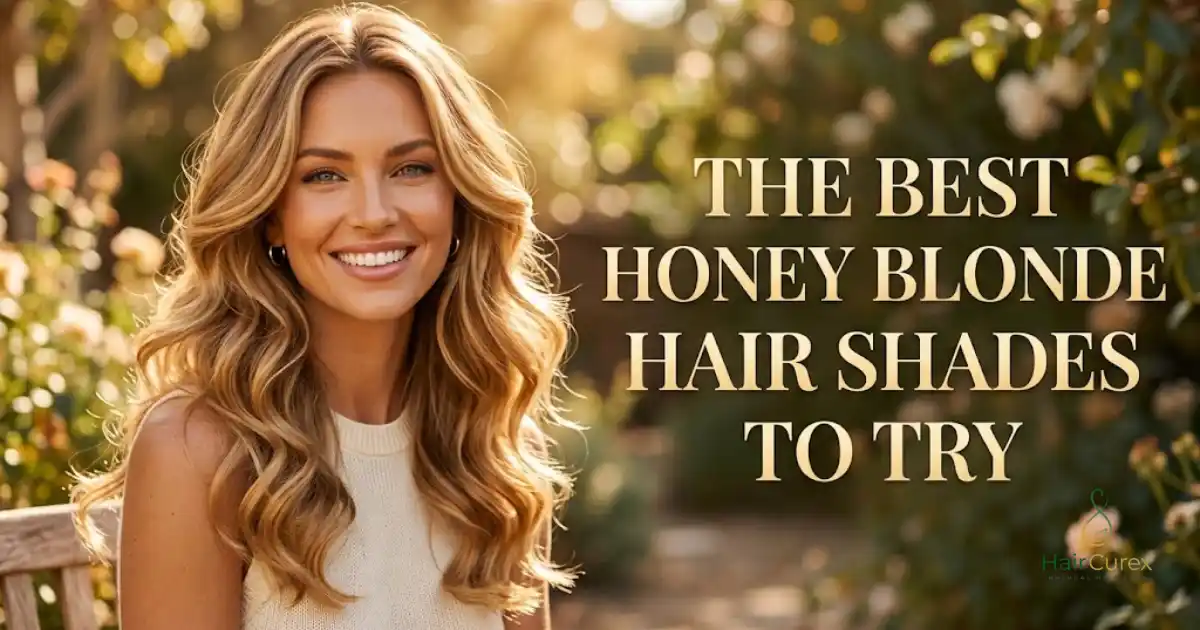
Not all honey blonde hair looks the same, and that’s actually the best part. There’s an entire spectrum of honey blonde hair shades to pick from depending on your skin tone, your current hair color, and how bold or subtle you want to go.
| Shade | Description | Best For |
|---|---|---|
| Golden Honey Blonde | Bright, yellow-gold undertones | Warm skin tones, lighter starting hair |
| Caramel Honey Blonde | Deeper, toffee-like richness | Brunettes wanting a subtle change |
| Dark Honey Blonde | Closest to a natural bronde hair look | Low-maintenance seekers |
| Light Honey Blonde | Airy, almost beige-gold finish | Fair to medium skin tones |
| Beige Honey Blonde | Softer, muted warmth with a hint of ash | Neutral skin tones |
| Rich Honey Blonde | Deep, glossy, almost amber | Deeper natural hair colors |
Soft honey blonde hair tends to be the most requested option among first-timers because it eases someone into the color without a drastic transformation. Meanwhile, rich honey blonde hair and dark honey blonde hair appeal to people who already have some warmth in their natural color and just want to enhance what’s already there. Golden honey blonde hair, on the other hand, tends to skew bolder and works particularly well for anyone chasing that head-turning, sun-drenched look.
Honey Blonde Hair Color Ideas for Every Style
One of the best things about honey blonde hair color ideas is how adaptable they are across hair lengths and textures. Short hair, specifically a honey blonde bob or lob, tends to show off the color’s dimension especially well because the ends catch light more evenly. Long hair, meanwhile, gives colorists more room to play with graduated tones, going darker near the roots and lightening toward the ends for that classic honey blonde ombre effect.
Curly and wavy textures pair beautifully with honey blonde hair too, since the natural movement in the hair enhances the multi-tonal effect that most honey blonde formulas are built around. If you’re someone who loves a beachy, undone look, honey blonde beach waves paired with soft highlights can genuinely look like you just stepped off a coastline somewhere warm. For a slightly edgier take, plenty of people are now combining honey blonde hair with dark roots, letting the natural base show through intentionally rather than blending it away completely. It’s a look often called “shadow root,” and it drastically cuts down on how often you’ll need touch-ups.
Honey Blonde Balayage for a Natural Look
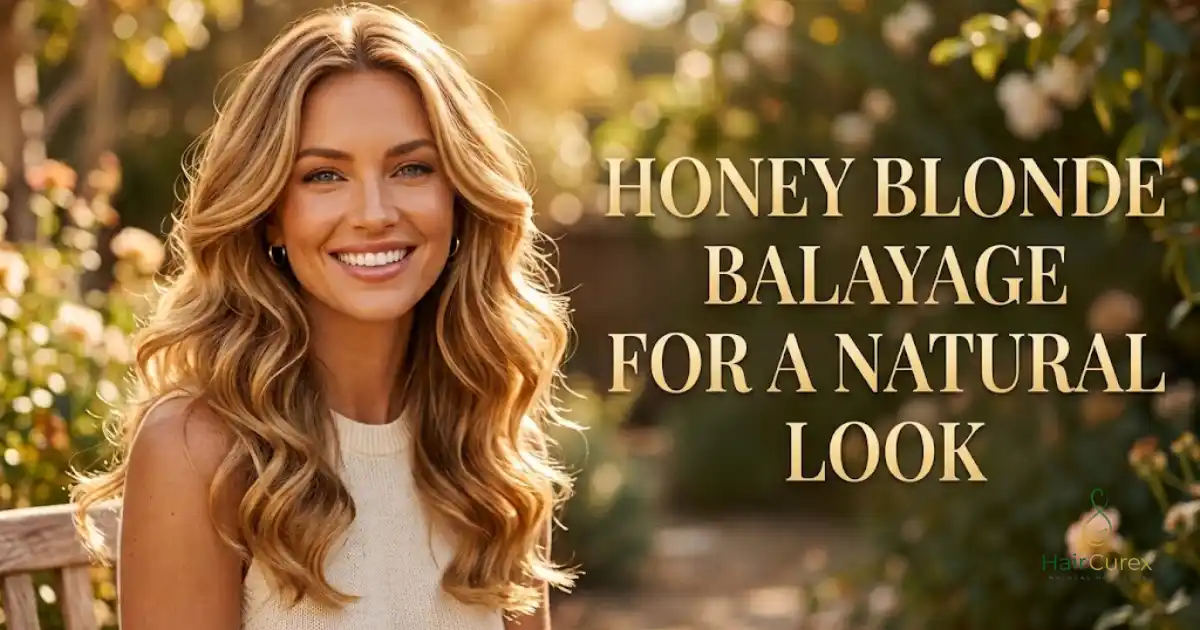
If there’s one technique that honey blonde hair was practically made for, it’s balayage. The word itself comes from the French term for “sweeping,” and that’s essentially what a colorist does, hand-painting lightener onto sections of hair in a way that mimics how the sun would naturally lighten strands over a summer. Honey blonde balayage tends to look incredibly natural because the color isn’t uniform. It’s darker at the root, lighter toward the mid-lengths and ends, and blended in a way that avoids any harsh lines.
This technique is especially popular among people who want the honey blonde look without a heavy maintenance schedule. Because balayage doesn’t rely on a strict root line, growing it out looks intentional rather than sloppy. Many stylists recommend balayage specifically for clients moving toward honey blonde hair for the first time, since it allows for a much more gradual transformation compared to a full head of foils.
Honey Blonde Highlights for Extra Dimension
While balayage focuses on hand-painted, sweeping color, honey blonde highlights take a slightly more structured approach using foils. This method allows for more precision and can create a brighter, more noticeable contrast throughout the hair. Honey blonde babylights, a finer and more delicate version of traditional highlights, have become especially popular for people who want dimension without looking like they went through a dramatic color change.
There’s also the honey blonde money piece, which involves brightening just the face-framing pieces around the hairline. This technique draws attention to the face, adds instant brightness, and works on almost every hair length. For those who want a fuller effect throughout, honey blonde dimensional hair combines both lighter highlights and slightly deeper lowlights, creating a rich, multi-tonal result that looks lived-in rather than freshly dyed. Honey blonde hair with lowlights specifically helps add depth back into hair that might otherwise look flat or one-dimensional after lightening.
Honey Blonde Hair on Different Skin Tones
Choosing the right honey blonde shade often comes down to understanding your skin’s undertone. Here’s a simple breakdown that most colorists rely on when consulting clients.
| Skin Tone | Recommended Honey Blonde Shade |
|---|---|
| Warm Skin Tones | Golden honey blonde, rich honey blonde |
| Cool Skin Tones | Beige honey blonde, light ash-honey blends |
| Neutral Skin Tones | Nearly any honey blonde shade works |
| Fair Skin | Light honey blonde, soft honey blonde |
| Medium Skin | Caramel honey blonde, warm honey blonde |
| Dark Skin | Rich honey blonde, dark honey blonde with caramel tones |
Honey blonde hair for warm skin tones tends to look most natural when the formula leans golden rather than ashy. Cooler skin tones, by contrast, often look best with a slightly muted, beige-leaning honey blonde that avoids too much brassiness. Neutral skin tones are lucky in this department since almost any variation, from light to dark honey blonde hair, tends to blend seamlessly.
If you’re unsure where you fall, a quick and surprisingly reliable test involves checking your jewelry preference. If gold jewelry tends to look better against your skin than silver, you likely lean warm, and honey blonde hair for warm skin tones will probably suit you well. If silver looks more flattering, you might lean cooler, though that doesn’t rule out honey blonde entirely, it just means the formula should be adjusted slightly.
How to Choose the Right Honey Blonde Shade
Picking the best blonde shade for your skin tone isn’t just about undertones, though that’s a major factor. Your natural hair color plays a huge role too. Someone starting from a dark brunette base will need a different lightening process than someone who’s already a light brown or dirty blonde. Generally speaking, the closer your natural color is to honey blonde already, the less processing your hair will need, which also means less potential damage.
Maintenance preference matters just as much. If you’re not someone who enjoys frequent salon visits, a lower-maintenance option like dark honey blonde hair or a balayage-based honey blonde will serve you better than a bright, all-over golden blonde that requires monthly root touch-ups. It’s also worth bringing reference photos to your consultation. Colorists work far more efficiently when they can see exactly what tone you’re picturing, since “honey blonde” itself covers a fairly wide range depending on interpretation.
How to Get Honey Blonde Hair at Home or in a Salon
There are two realistic paths to honey blonde hair: the salon route and the at-home route, and each comes with its own trade-offs. In a salon setting, a colorist will typically start with a consultation, examine your natural hair color and condition, then decide on a lightening process followed by a toner to lock in the warm, golden finish. This is generally considered the safer option, especially for anyone starting from a dark base, since professional lightening reduces the risk of uneven color or excessive damage.
At-home honey blonde hair dye kits do exist and can work reasonably well for people who are already close to the target shade or simply looking to refresh their tone between salon visits. That said, DIY lightening from a dark base carries real risk, including brassy or uneven results, and in some cases, significant damage. A strand test and a patch test are non-negotiable steps before committing to any at-home honey blonde hair dye, no matter how straightforward the box promises it will be.
| Method | Pros | Cons |
|---|---|---|
| Salon Coloring | Precise formula, professional toning, lower damage risk | Higher cost, requires appointment |
| At-Home Dye | Convenient, budget-friendly | Higher risk of uneven tone, limited correction options |
How to Maintain Honey Blonde Hair Color
Getting honey blonde hair is only half the equation. Keeping it looking fresh requires a bit of ongoing effort, mostly because blonde tones are notorious for fading or turning brassy over time. Honey blonde hair color fading typically happens due to a mix of UV exposure, hard water, and frequent washing, all of which strip color molecules from the hair shaft.
A purple shampoo for honey blonde hair might sound counterintuitive since purple is designed to combat yellow and brassy tones, but many honey blonde formulas actually benefit from a diluted version used sparingly, since too much purple pigment can pull unwanted ashy tones into a shade meant to stay warm. Instead, many colorists now recommend a gentle toning shampoo specifically formulated for warm blondes rather than a traditional purple one. Washing hair less frequently, ideally two to three times a week, also helps preserve color longer, as does using cool water instead of hot whenever possible.
Heat styling tools are another major factor in how long honey blonde hair color lasts. A good heat protectant isn’t optional at this point, it’s essential, since repeated heat exposure without protection accelerates both fading and dryness. Sun exposure matters too, so a leave-in product with UV filters can make a noticeable difference over a long summer.
The Best Hair Care Products for Honey Blonde Hair
Maintaining that rich, golden glow requires the right supporting cast of products. The best shampoo for blonde hair isn’t necessarily the strongest clarifying formula, but rather one designed specifically for color-treated hair, gentle enough to avoid stripping tone while still cleansing effectively.
A hair toner for honey blonde hair, used periodically either at home or during salon visits, helps refresh the warmth and counteract any brassiness that creeps in between appointments. Deep conditioning treatments, ideally once a week, restore moisture that gets lost during the lightening process, since honey blonde hair almost always requires some degree of bleaching to achieve that golden base. A lightweight hair oil or leave-in serum adds shine back into the hair, which matters enormously for a color that depends so heavily on light reflection to look its best.
Frequently Asked Questions About Honey Blonde Hair
Does honey blonde hair damage your hair?
Any lightening process carries some risk of damage, though honey blonde tends to be gentler than platinum blonde since it doesn’t require lifting hair to the palest possible level. Proper aftercare significantly reduces long-term damage.
How long does honey blonde hair color last?
Depending on your maintenance routine and hair growth rate, honey blonde color typically lasts six to eight weeks before requiring a root touch-up, though toning refreshers may be needed sooner.
Can I go honey blonde from dark hair?
Yes, though it usually requires a longer, multi-session lightening process to avoid damage. A professional colorist can map out a safe timeline based on your hair’s current condition.
Is honey blonde high maintenance?
Compared to platinum or icy blonde shades, honey blonde hair is considered relatively low maintenance, especially when achieved through balayage rather than full foils.
What’s the difference between honey blonde and caramel blonde?
Honey blonde tends to lean more golden, while caramel blonde leans slightly deeper and more brown-toned overall, though the two shades often overlap and can be blended together.
Conclusion
Honey blonde hair has earned its popularity honestly. It’s warm without being overwhelming, low-maintenance without looking careless, and flexible enough to suit nearly any skin tone or hair type. Whether you’re drawn to a soft honey blonde balayage, bold golden highlights, or a deep, rich honey blonde with dark roots, there’s a version of this color built for you. If you’re ready to make the switch, book a consultation with a colorist, bring your inspiration photos, and get ready for hair that genuinely looks like it’s been kissed by the sun.