

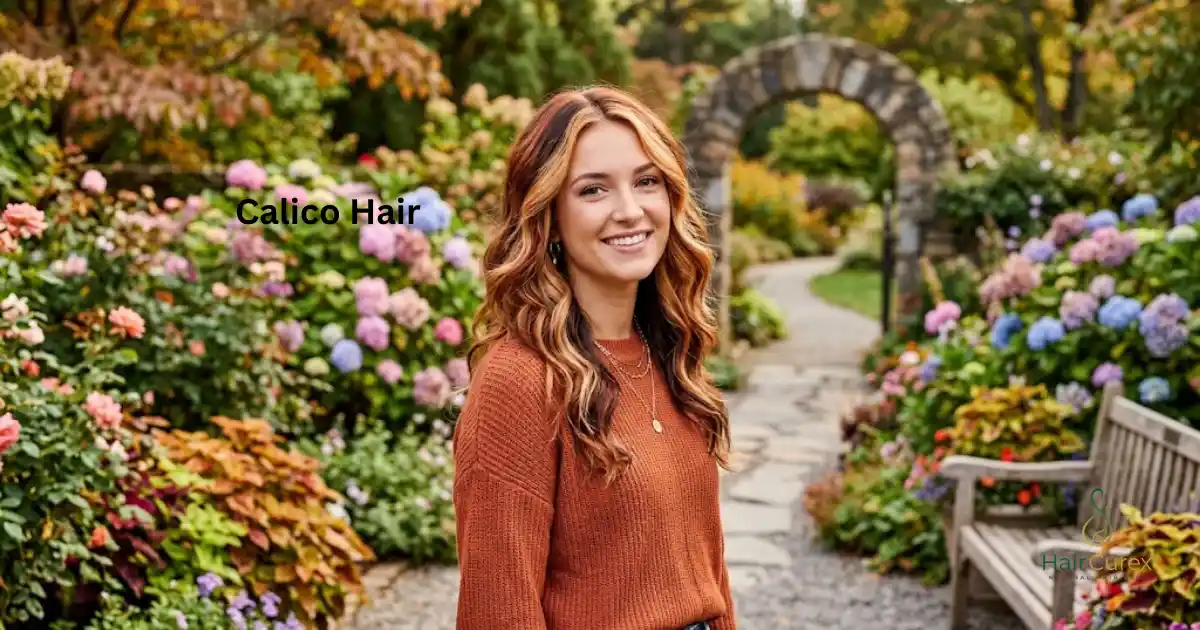
Calico hair is a hair color style. It mixes three or more colors together. The colors often include white, orange, and black shades, inspired by calico cats.
Hair color trends come and go, but every so often, something shows up that feels genuinely different. Calico hair is one of those trends. Named after the patchy, three-toned coats of calico cats, this style throws out the smooth, blended look that’s dominated salons for years and replaces it with something bolder, messier, and far more personal. If you’ve scrolled past a photo of hair splashed with white, orange, and black patches and felt an odd pull toward it, you’re not alone.
Calico hair has been popping up across social media, in salons, and on the heads of people who simply want their hair to say something different. This guide walks through everything you need to know: what calico hair actually is, how it compares to similar styles like tortoiseshell hair, which color combinations work best, and how to get (and keep) the look yourself.
What Is Calico Hair?
Calico hair is a hair coloring technique built around patches of color rather than smooth transitions. Instead of blending shades into one another the way balayage or ombre does, calico hair color keeps each tone distinct, creating a patchwork effect that mimics the coat of a calico cat. Most versions rely on three core shades: a light base like white or cream, a warm orange or ginger tone, and a deep black or brown. Together, these create the signature look that gives the style its name.
What makes calico hair color ideas so appealing is the sheer amount of freedom involved. There’s no rulebook dictating where a patch should sit or how big it needs to be. One session might produce a small streak of ginger near the temple and a wide block of black across the crown. Another might scatter dozens of small patches evenly throughout. This unpredictability is part of the charm, and it’s a big reason the trend has taken off among people who want a multicolor hair look that feels one-of-a-kind rather than mass-produced.
It’s worth noting that calico hair sits within a broader category of dimensional hair color, a term stylists use to describe techniques that add depth and movement rather than a single flat tone. However, most dimensional techniques still aim for a cohesive, blended result. Calico hair dye breaks from that tradition entirely, favoring contrast over cohesion. As one Los Angeles-based colorist put it in a recent interview, “Calico hair isn’t about disguising where one color ends and another begins. It’s about celebrating that line.” That philosophy is exactly what separates this trend from nearly every other multi-tonal hair color technique on the market.
What Does Calico Hair Look Like?
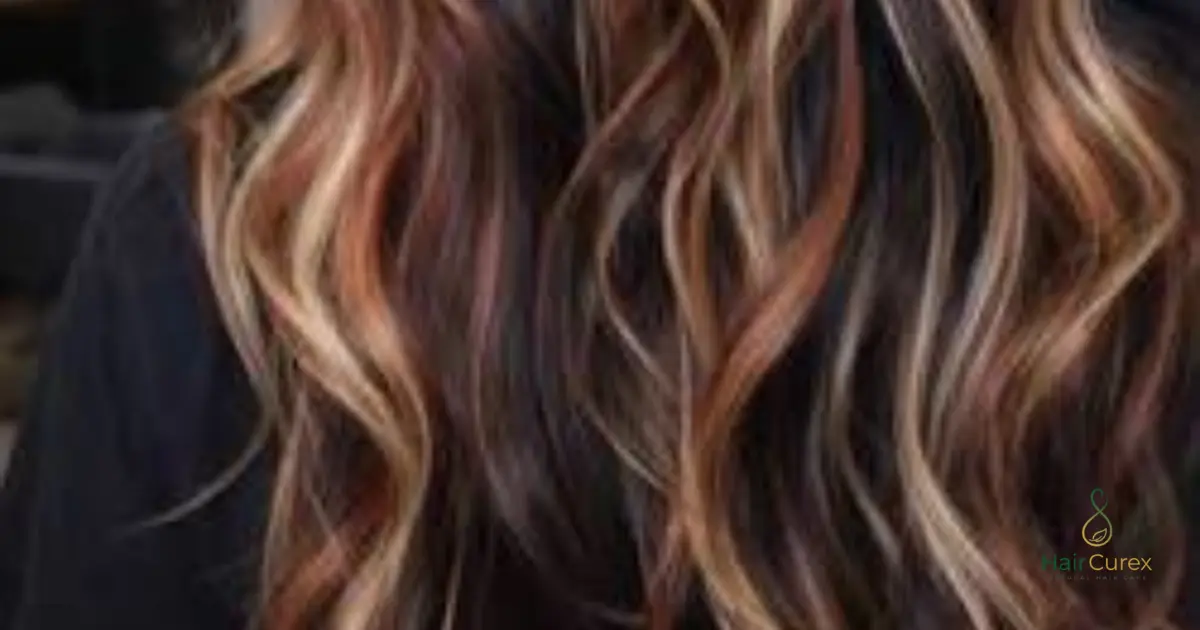
Picture a calico cat, and you already have a mental image of what this hairstyle looks like. The patches are irregular in shape and size, scattered without any obvious pattern, and the colors sit right next to each other with almost no blending in between. Some patches might be no bigger than a coin, while others stretch across several inches of hair. There’s no symmetry to chase and no need for the colors to “match” in the traditional sense, which is precisely what makes calico colored hair feel so different from anything you’ve likely tried before.
Because the technique relies on sharp contrast, the finished look tends to read as bold even in photos taken from a distance. Warm tones like copper hair color and ginger hair color sit against cooler or darker patches, creating visual tension that draws the eye. When done well, calico hair highlights don’t look chaotic so much as intentional, like the pattern was meant to be there all along. Below is a quick breakdown of the key visual traits that define this look:
| Visual Trait | Description |
|---|---|
| Patch shape | Irregular, non-repeating, asymmetrical |
| Color transition | Sharp and distinct, minimal blending |
| Patch size | Ranges from small freckle-like spots to large sections |
| Tone contrast | Warm and cool tones placed side by side |
| Overall impression | Random yet cohesive, similar to natural cat fur patterns |
This combination of randomness and cohesion is a tricky balance to strike, which is why most people leave the actual placement decisions to an experienced colorist rather than attempting to plan it out themselves.
Calico Hair vs. Tortoiseshell Hair: What’s the Difference?
Calico hair and tortoiseshell hair often get mentioned in the same breath, and it’s easy to see why. Both techniques draw inspiration from cat coat patterns, and both involve multiple warm tones layered throughout the hair. But the similarities mostly end there. Tortoiseshell hair color leans on a smooth, blended transition between shades like caramel, chestnut, and auburn hair color, producing a soft, natural-looking dimension that mimics warm autumn hair colors. Calico hair, on the other hand, skips the blending altogether in favor of sharp, patchy contrast.
Think of it this way: if tortoiseshell hair color is a gentle sunset fading from orange to deep red, calico hair is more like a stained-glass window, with each colored section clearly separated from the next. Tortoiseshell tends to suit people who want warmth and depth without looking like they’ve done anything too dramatic, while calico hair openly announces itself as a statement piece. Here’s a side-by-side comparison to make the distinction even clearer:
| Feature | Calico Hair | Tortoiseshell Hair |
|---|---|---|
| Color transition | Sharp, patchy, high-contrast | Smooth, blended, soft-edged |
| Typical palette | White, orange, black, plus optional brights | Caramel, chestnut, auburn, golden brown highlights |
| Visual inspiration | Calico cats | Tortoiseshell cats |
| Best suited for | Bold, statement-making looks | Natural, low-key dimensional color |
| Maintenance level | Higher, due to sharp regrowth lines | Moderate, blends as it grows out |
Both styles are worth considering, but the choice really comes down to how loud you want your hair color to be. If chocolate brown hair with subtle warmth sounds more like your speed, tortoiseshell might be the better fit. If you want something that turns heads from across the room, calico hair wins that contest easily.
Best Calico Hair Color Combinations to Try
One of the most exciting parts of this trend is just how many calico hair color ideas exist. While the classic combination sticks to white, orange, and black, colorists have expanded the concept into several distinct variations, each with its own personality. The traditional combo remains the most popular, largely because it stays closest to the actual look of a calico cat’s coat, with sharp contrast between light, warm, and dark sections.
For those who want something a bit softer, a platinum blonde base paired with ginger hair color and espresso brown patches offers a slightly more wearable version of the trend, since the lighter foundation keeps the overall look from feeling too heavy. On the opposite end of the spectrum, “fire calico” trades the white base for deep red and burnt orange tones layered against near-black patches, creating a combination that feels custom-made for autumn hair colors and cooler months. There’s also a “cool calico” variation that swaps warm oranges for ash blonde and charcoal gray, appealing to people who prefer a more muted, editorial aesthetic over the bright, warm-toned hair color most associated with the trend.
Pastel calico is another popular direction, replacing the traditional palette with soft pink, lavender, and mint patches for a whimsical, almost fantasy-inspired result. And for anyone who wants to go all in, “vivid calico” uses saturated colors like electric blue, hot pink, and jet black to create a look that’s about as far from natural as hair color gets, while still following the same patchwork logic as the original trend. No matter which combination you choose, the underlying principle stays the same: distinct color blocks, minimal blending, and a pattern that feels organic rather than engineered.
Calico Hair Ideas for Different Hair Lengths
Short Calico Hair
Short haircuts like pixie cuts and bobs actually show off calico hair color remarkably well, mostly because there’s less surface area for the pattern to get lost in. Small, concentrated patches near the crown or along the fringe tend to work best on shorter styles, since they stay visible even as the hair moves throughout the day. A common approach for short calico hair for short hair enthusiasts involves placing a few bold patches around the face-framing sections, letting the color do the talking without overwhelming the cut itself.
Medium-Length Calico Hair
Medium-length cuts, including lobs and shoulder-grazing styles, offer a nice middle ground. There’s enough length to create meaningful color blocking hair placement without sacrificing the ease of a shorter style. Calico hair for medium hair often balances patches evenly from root to tip, giving the color room to shift and layer as the hair moves, which adds a subtle sense of depth even without traditional blending.
Long Calico Hair
Long hair provides the most creative freedom of all three lengths. With more length to work with, colorists can create large, dramatic color blocks, layered hair color effects, and even combine calico placement with a color melt hair technique near the ends for added dimension. Calico hair for long hair tends to make the biggest visual statement, since the sheer volume of hair allows the patchwork pattern to unfold gradually as it falls, almost like a painting revealing itself one section at a time.
Calico Hair Ideas for Blonde, Brown, and Black Hair
The base color you start with has a major impact on how calico hair color ultimately looks, and thankfully, the trend adapts well across nearly every natural shade. For blondes, calico hair for blondes tends to require the least amount of lightening, since the base is already pale enough for warm and dark patches to show up vividly without extensive processing. This makes it one of the more accessible starting points for anyone nervous about hair damage.
Brunettes have plenty of options too. Calico hair for brunettes often leans into a warmer, earthier version of the trend, using tones like caramel highlights and brown orange hair combinations that complement the natural depth already present in brown hair. Because the base isn’t as light as platinum blonde, some strategic lightening is usually necessary to make the patches pop with enough contrast, but the result tends to look rich and multidimensional rather than harsh.
Calico hair for black hair requires the most preparation, since achieving vibrant white or orange patches against a dark black brown and orange hair combination means lifting the color significantly in those sections. This extra processing can increase the risk of damage, so a skilled colorist and a solid aftercare routine become especially important. That said, the payoff is often worth it, since the contrast between jet black sections and bright patches creates one of the most striking versions of the calico hair trend available.
Is Calico Hair Suitable for Every Skin Tone?
There’s a common misconception that certain hair colors only work for certain skin tones, but calico hair for different skin tones is more flexible than people expect. The key isn’t necessarily the base color itself, but which specific shades get placed closest to the face. Warm skin tones tend to look particularly striking with ginger hair color, cream, and chocolate brown hair patches positioned near the face-framing sections, since these tones echo the natural warmth already present in the complexion.
Cooler skin tones, meanwhile, often pair beautifully with ash-based patches, silver undertones, and deep black sections, which create a crisp contrast without clashing against pink or blue undertones in the skin. Neutral skin tones have the most flexibility of all, since they can generally pull off nearly any combination without much adjustment. A good colorist will typically ask about your skin’s undertone before finalizing a color plan, then adjust patch placement so the warmest or coolest tones sit exactly where they’ll be most flattering. The takeaway here is simple: calico hair isn’t a one-size-fits-all trend, but with the right placement, it can genuinely work for almost anyone.
How to Get the Calico Hair Look
Getting calico hair color right involves considerably more planning than a standard highlight or balayage appointment, mostly because of how much creative decision-making happens throughout the process. It typically starts with a consultation, where you and your colorist discuss which combination appeals to you most, how bold you want the contrast to be, and whether you’re aiming for something closer to the classic three-tone look or one of the more experimental variations.
From there, most colorists begin by lightening the base if the hair isn’t already pale enough to support vibrant patches. This step often takes the longest, particularly for anyone starting with black or very dark brown hair. Once the base reaches the right level, the colorist maps out where each patch will go, either freehand or using foils, working in small sections rather than covering the whole head in one continuous motion. Each patch gets its individual color applied, processed according to that specific product’s timing, and rinsed before the next section begins.
Because of how much manual, section-by-section work is involved, calico hair almost always takes longer than a standard color appointment, sometimes stretching across several hours or even multiple sessions for particularly dramatic transformations. Attempting this at home is technically possible, but it carries real risk. Without professional experience, it’s easy to end up with patches that look accidental rather than intentional, or worse, uneven lightening that damages the hair. For anyone serious about trying calico hair dye, booking with a colorist who has creative color experience is strongly recommended.
Best Calico Hair Styles and Color Placement Ideas

Hair color placement plays just as big a role in the final look as the colors themselves, and calico hair offers several distinct styling approaches worth considering. “Peekaboo calico” hides most of the patches beneath the top layer of hair, revealing flashes of color only when the hair moves, flips, or gets tucked behind an ear. This approach borrows from the peekaboo highlights trend, offering a more subtle, work-friendly version of calico hair for anyone who wants the fun without the full commitment.
The “money piece calico” technique focuses the boldest patches around the face-framing sections, similar to how a traditional money piece highlights the strands closest to the face with the brightest color. This draws attention directly to the face while keeping the rest of the head slightly more understated. For those who want maximum visual impact, “all-over calico” spreads patches evenly throughout the entire head, creating the most dramatic and immediately noticeable version of the trend. Finally, “underlights calico” places patches underneath the top layer of hair rather than on the surface, offering a playful surprise that’s only fully visible when the hair is pulled up or styled in certain ways. Each of these placement styles can be combined with chunky highlights or even a bit of color melt hair blending near the ends for a slightly softer finish.
How to Maintain Calico Hair Color
Keeping calico hair color looking fresh takes a bit more effort than caring for a single-process color, mostly because you’re managing multiple pigments at once, each of which can fade at a slightly different rate. Switching to a color-safe, sulfate-free shampoo and conditioner is one of the most important steps, since sulfates strip color from the hair shaft far more quickly than gentler formulas. Washing less frequently helps too; many people with vibrant or multi-tonal hair color stretch their washes to two or three times a week, relying on dry shampoo to manage oil in between.
Water temperature matters more than most people realize. Hot water opens the hair cuticle and allows color molecules to escape faster, so rinsing with cool or lukewarm water helps lock pigment in place. If you spend a lot of time outdoors, a UV-protectant spray can prevent the sun from fading warmer tones like copper hair color and ginger patches, which tend to be more vulnerable to sun exposure than cooler shades. Scheduling occasional gloss treatments between full color appointments can also refresh dulling patches without requiring a complete redo, extending the life of your calico hair color considerably.
How Long Does Calico Hair Color Last?
The lifespan of calico hair color depends heavily on which shades you’ve chosen and how well you maintain them afterward. Vivid, non-natural colors like electric blue or hot pink tend to fade the fastest, often needing a refresh within two to four weeks, since these pigments sit on the outer layer of the hair rather than penetrating as deeply as more natural tones. Warmer, more neutral shades like caramel highlights, chocolate brown hair, and golden brown highlights typically last longer, holding their vibrancy for six to eight weeks with proper care.
Several factors influence how quickly any given calico hair style fades, including how often you wash your hair, how much heat styling you use, how much sun exposure your hair gets, and the overall quality of the products you’re using. Most people find that scheduling a root touch-up every six to eight weeks keeps the pattern looking sharp, since regrowth tends to be more noticeable with calico hair than with subtler techniques, thanks to the sharp contrast between colors near the scalp.
Calico Hair: Pros, Cons, and Things to Know Before Trying It
Pros
Calico hair offers a level of customization that’s hard to match with more traditional techniques. Because there’s no strict formula to follow, every result ends up genuinely unique, which appeals strongly to anyone drawn to creative hair color as a form of self-expression. The style also adapts well across different hair lengths and starting colors, meaning blondes, brunettes, and people with black hair can all find a version that works for their specific base.
Cons
On the flip side, calico hair does require consistent upkeep, particularly for anyone who chooses brighter or more vivid combinations. The lightening process needed to achieve vibrant patches, especially on darker hair, can also increase the risk of damage if not handled carefully by an experienced colorist. And because the look is so bold, it may not suit workplaces or environments with more conservative dress code expectations.
Things to Know Before Committing
Before booking an appointment, it’s worth scheduling a proper consultation with a colorist who has real experience in creative, multicolor hair techniques, since this style depends heavily on skillful execution rather than a standardized process. Budgeting for multiple sessions is also smart, particularly if you’re starting from a dark base and need significant lightening before the actual color work can begin. Finally, having a maintenance plan in place, including deep conditioning treatments and the occasional protein treatment, will help keep your hair healthy throughout the process, since the combination of lightening and multiple color applications can be tough on hair structure over time.
Conclusion
Calico hair isn’t just another passing trend in the world of salon hair color. It represents a genuine shift toward bolder, more individualized self-expression, trading the smooth uniformity of balayage and ombre for something rawer and far more personal. Whether you go with the classic black brown and orange hair combination or experiment with pastel or vivid variations, the result is a style that’s nearly impossible to replicate exactly, which is exactly the point. If you’ve been searching for a fashion hair color trend that feels genuinely your own, calico hair might be worth that first consultation. After all, every calico cat’s coat is different, and now, so can your hair be.
Frequently Asked Questions About Calico Hair
Is calico hair hard to maintain?
It requires more attention than a single-process color, mainly because you’re caring for multiple pigments that fade at different rates. With color-safe products and a consistent routine, though, it’s very manageable.
Can I do calico hair at home?
It’s technically possible, but the freehand, section-by-section technique is difficult to execute well without professional training. Most people get better, longer-lasting results by working with an experienced colorist.
Does calico hair damage your hair?
Any technique involving significant lightening carries some risk of damage, particularly for those starting with black or dark brown hair. Using deep conditioning treatments and spacing out color sessions helps minimize this.
How much does calico hair cost at a salon?
Costs vary widely depending on your starting hair color, desired combination, and salon location, but expect to pay more than a standard color service due to the time and skill involved.
Is calico hair a permanent color?
Most calico hair color uses permanent or semi-permanent dye, though vivid shades often fade faster than more natural tones and require more frequent touch-ups.
What’s the difference between calico hair and tie-dye hair?
Tie-dye hair often blends colors together in swirling, gradient patterns, while calico hair keeps colors sharply separated in irregular patches, similar to a calico cat’s coat.
Can I remove calico hair color if I don’t like it?
Yes, though the process depends on which colors were used. A professional colorist can recommend color removal or corrective techniques to return your hair to a single, more uniform tone.