

Introduction
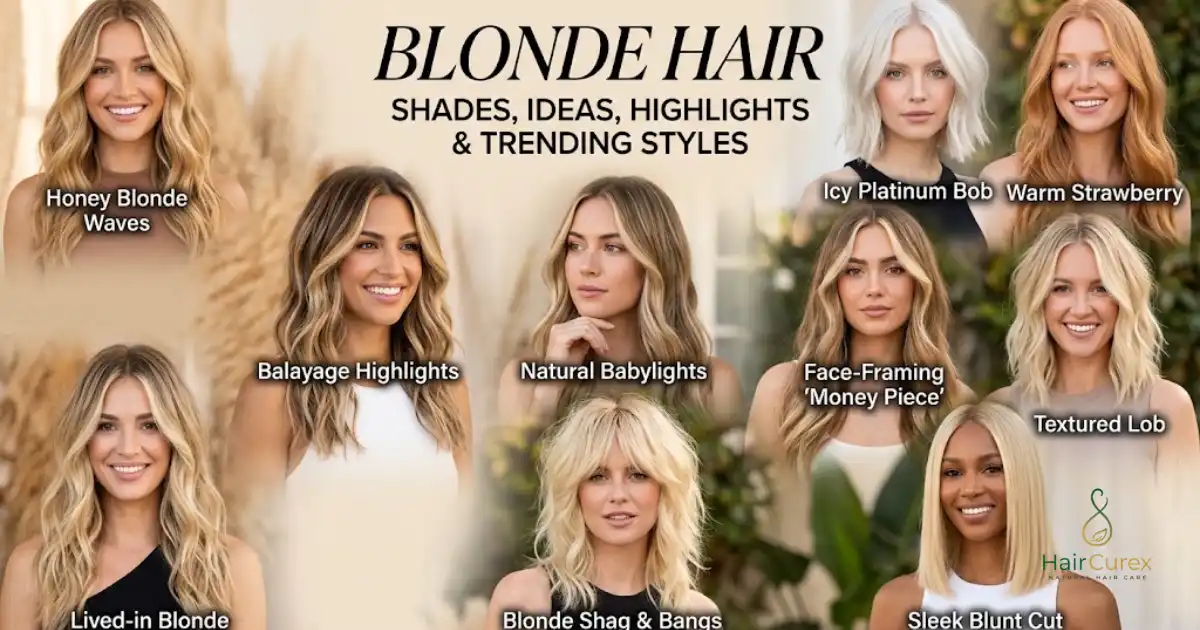
Blonde hair has stayed at the top of the color charts in American salons for decades, and it’s not hard to see why. This single word covers dozens of different looks, from a soft, barely-there light blonde hair shade to a bold, glass-like platinum finish. Choosing the right blonde hair color isn’t just about picking a pretty picture off social media; it comes down to understanding your skin’s undertone, your natural hair color, and how much upkeep you’re actually willing to commit to.
Some people want a warm blonde hair shade that glows like honey in the sun, while others lean toward a cool blonde hair finish that feels crisp and modern, and plenty of people land somewhere in between with a neutral blonde hair shade that balances both. This guide walks through every major blonde family, explains the difference between warm vs cool blonde, and shows you exactly how to keep your color looking fresh long after you leave the salon chair.
What Is Blonde Hair?
At its core, blonde hair simply means hair with a lower concentration of the pigment eumelanin, which is what gives hair its darker tones. Less pigment means more light reflects off the hair shaft, which is why blonde strands often look like they’re glowing, especially in natural sunlight. But “blonde” isn’t one single color; it’s really a spectrum that runs from dark blonde color all the way up to white blonde hair color, with dozens of stops in between.
Colorists usually describe blonde using two things: level and tone. Level refers to how light or dark the shade is, typically ranked on a scale of 1 (black) to 10 (lightest blonde). Tone, on the other hand, refers to the undertone sitting underneath that level, whether it leans gold, ash, beige, or something else entirely. This is why two people can both have “blonde hair” and look completely different. A warm toned blonde on someone with golden or peachy skin will look sun-kissed and glowing, while that same warm shade on someone with a cool, pink undertone might clash and look slightly off. Meanwhile, a cool toned blonde tends to flatter fair, pink-toned skin beautifully but can sometimes wash out someone with warmer, olive undertones. This is exactly why understanding blonde hair undertones matters more than just picking a shade name off a color chart.
Your natural hair color also plays a huge role in how a blonde shade turns out. Someone starting from naturally dark brown hair will need more processing to reach a light, bright blonde than someone who’s naturally a dirty blonde already. That’s part of why the same box-dye shade can look completely different on two people, and it’s a big reason colorists always recommend a consultation before any major color change.
Blonde Hair Shades: Which Blonde Is Right for You?

There isn’t just one “blonde.” There are dozens of different shades of blonde, each with its own personality, upkeep level, and best-suited skin tones. Below is a breakdown of the major blonde hair shades worth knowing before your next salon visit.
Strawberry Blonde Hair
Strawberry blonde sits right at the crossroads of red and blonde, giving off a soft, peachy-copper glow that’s especially flattering on fair to medium skin with warm or neutral undertones. This strawberry blonde color tends to occur naturally in people of Northern European and Celtic descent, though it’s also a popular salon request for anyone chasing that warm, romantic look. Because it leans warm, strawberry blonde pairs beautifully with green or blue eyes and can make freckles pop in the best way.
Bronde Hair
Bronde, a blend of “brown” and “blonde,” has become one of the most requested blonde hair colors of the last several years, largely because it looks so natural. This bronde hair color usually combines a rich brunette base with soft blonde pieces woven throughout, creating dimension without the high-maintenance upkeep of an all-over lightening job. It’s a favorite for people who want to dip a toe into blonde without fully committing.
Dark Blonde Hair
A dark blonde color sits just above light brown on the color wheel, making it one of the most low-maintenance blonde options available. It’s subtle enough to look natural on almost everyone, yet still lighter and brighter than a standard brunette. Dark blonde is often the easiest transition shade for brunettes easing into the blonde world.
Platinum Blonde Hair
Platinum is about as light as blonde gets without crossing into pure white. This platinum blonde color requires significant lightening, usually multiple sessions of bleach, and a near-obsessive maintenance routine involving purple shampoo and regular toning. It’s striking, editorial, and bold, but it’s also one of the most damaging shades to achieve if the hair isn’t in strong, healthy condition beforehand.
Ash Blonde Hair
Ash blonde neutralizes warmth, giving hair a smoky, almost silvery cast. This ash blonde color is a go-to for anyone who wants to avoid the brassy, yellow-orange tones that naturally show up during the lightening process. It’s particularly popular among people with cool or neutral skin undertones and pairs beautifully with gray or silver highlights for an even more dimensional effect.
Golden Blonde Hair
On the opposite end of the spectrum sits golden blonde, a rich, honey-toned shade packed with warmth. This look tends to suit medium to olive skin tones and works especially well on people with naturally warm, golden undertones in their skin. Golden blonde often reads as sun-kissed and lived-in, which is part of why it’s such a popular choice for a natural-looking transformation.
Natural Blonde Hair
Natural blonde color refers to the shades that occur without any chemical processing, ranging from pale platinum in childhood to a deeper, dirty blonde in adulthood. Genetically, natural blondes are relatively rare worldwide, with the highest concentrations found in Northern and Eastern Europe. When colorists aim to replicate natural blonde hair, they usually avoid one flat, uniform tone and instead build in subtle variation, since real natural blonde hair is rarely just one single shade from root to tip.
White Blonde Hair
The lightest of them all, white blonde hair color removes nearly all remaining pigment from the hair, leaving behind a stark, icy finish. This is the most demanding shade to maintain and the most damaging to achieve, often requiring several rounds of bleaching spread out over weeks or months to protect the hair’s integrity. It’s a dramatic, high-impact look best suited to those ready for serious commitment.
| Shade | Undertone | Maintenance Level | Best Skin Tones |
|---|---|---|---|
| Strawberry Blonde | Warm | Medium | Fair, warm/neutral |
| Bronde | Neutral/Warm | Low | Most skin tones |
| Dark Blonde | Neutral | Low | Most skin tones |
| Platinum Blonde | Cool | Very High | Fair, cool |
| Ash Blonde | Cool | High | Fair to medium, cool |
| Golden Blonde | Warm | Medium | Medium to olive, warm |
| Natural Blonde | Varies | Low | Depends on natural base |
| White Blonde | Cool | Very High | Fair, cool |
Neutral Blonde Hair: The Balanced Blonde Shade
Neutral blonde hair sits directly in the middle of the warm-to-cool spectrum, meaning it doesn’t pull noticeably gold or noticeably ash. This balance is exactly why it’s become such a popular, foolproof choice; it tends to flatter a wider range of skin tones than shades that lean strongly warm or strongly cool. Because neutral blonde doesn’t fight against undertones the way a strongly warm or cool shade might, it also tends to fade more gracefully, avoiding the harsh brassy or overly ashy shift that can happen as color grows out.
Warm Neutral Blonde
This variation leans just slightly toward gold, giving a soft glow without tipping into full warmth. It’s an easy, wearable shade for people who want dimension but not drama.
Cool-Toned Neutral Blonde
Here, the balance tips just a touch toward ash, cutting brassiness while still avoiding the stark, icy look of a full cool blonde. It suits people who want brightness without harshness.
Beige Neutral Blonde
Beige blonde hair blends soft brown with pale blonde, creating a muted, sandy-taupe finish that’s become one of the most requested “your hair but better” shades in modern salons.
Sandy Neutral Blonde
Sandy blonde hair takes its name from, well, sand: a soft, grainy mix of light brown and pale gold. It’s a highly wearable, low-drama shade that works on nearly every skin tone.
Dark Neutral Blonde
This deeper take on neutral blonde stays close to the natural hairline, making regrowth far less noticeable and cutting down significantly on salon visits.
Neutral Platinum Blonde
Rather than a stark white-cool platinum, this version tempers the lightness with just enough balance to avoid looking flat or one-dimensional, giving platinum a softer, more wearable edge.
Pink-Tinted Neutral Blonde
A trend-forward twist, this shade layers the faintest wash of rose or blush over a neutral blonde base, giving hair a subtle, sun-washed pink shimmer without going full pastel.
Neutral Blonde Highlights and Dimension
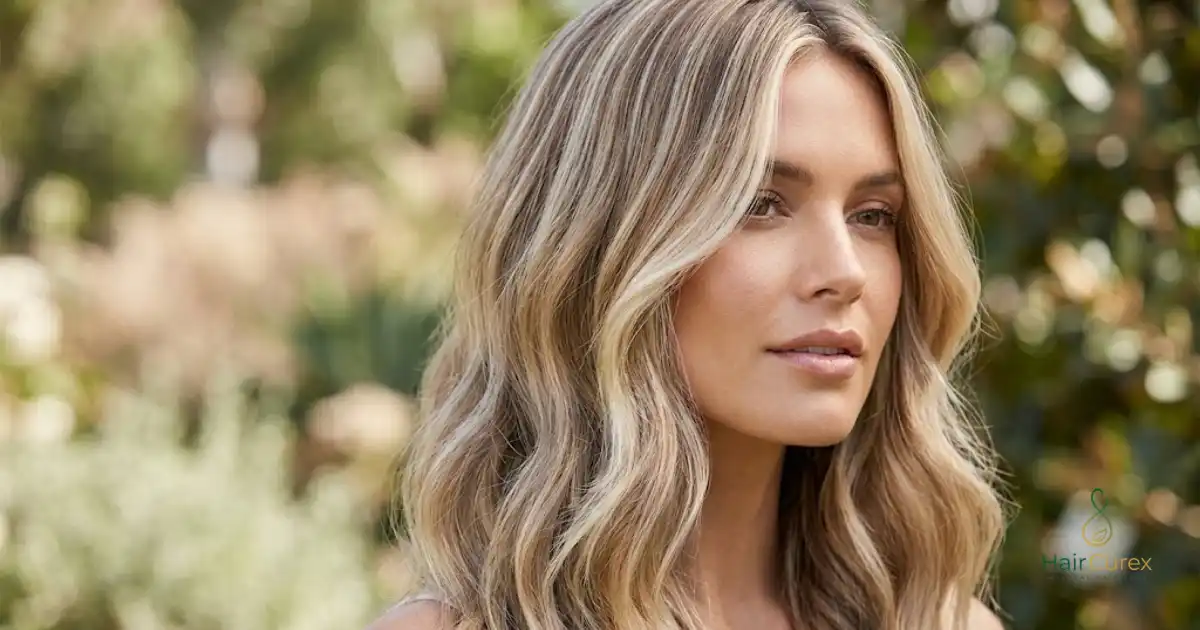
A flat, single-process blonde can sometimes look artificial, which is exactly why blonde highlights and dimensional techniques exist. Layering multiple tones into the hair creates movement and depth that mimics how natural blonde hair actually behaves in sunlight.
Neutral Blonde Highlights
Traditional foil highlights placed strategically through the hair add brightness in a controlled, precise pattern, giving the color depth without an all-over commitment.
Neutral Blonde Money Pieces
Blonde money pieces are face-framing highlights placed right around the hairline, brightening the face instantly. This technique became hugely popular thanks to celebrity stylists and remains one of the most requested add-ons in salons across the country.
Neutral Blonde With Lowlights
While highlights lighten, blonde lowlights do the opposite, adding subtle darker pieces back into an all-over blonde to create contrast and prevent the color from looking flat or one-note.
Neutral Blonde With Dark Roots
Deliberately leaving blonde hair with dark roots has become a signature low-maintenance technique, softening the line of regrowth so the color grows out gracefully instead of looking like an obvious grow-out line.
Neutral Blonde Balayage, Ombre & Bronde
Neutral Blonde Balayage
Blonde balayage is a hand-painted lightening technique that creates soft, sun-kissed streaks rather than the more uniform stripes of traditional foils. Because the color is swept on freehand, it grows out with far less visible demarcation, making it one of the lowest-maintenance ways to go blonde.
Neutral Blonde Ombre
Blonde ombre gradually transitions from a darker base at the roots into a lighter blonde toward the ends, creating a deliberate, gradient effect rather than the more blended, all-over look of balayage.
Neutral Bronde
As mentioned earlier, bronde blends brown and blonde into one cohesive, dimensional color, and the neutral version keeps both the brown base and blonde pieces free of strong warmth or coolness for an especially natural finish.
Blonde Balayage on Brown Hair
Blonde highlights on brown hair through a balayage technique is one of the most requested transformations in American salons today, largely because it lets brunettes add brightness and dimension without fully abandoning their natural base color. A quick case study: a client starting with medium brown, virgin hair can typically achieve a soft, dimensional bronde-balayage look in a single session, while someone with previously colored or resistant hair may need two sessions spaced several weeks apart to reach the same result safely.
Blonde Hair Ideas for Every Style
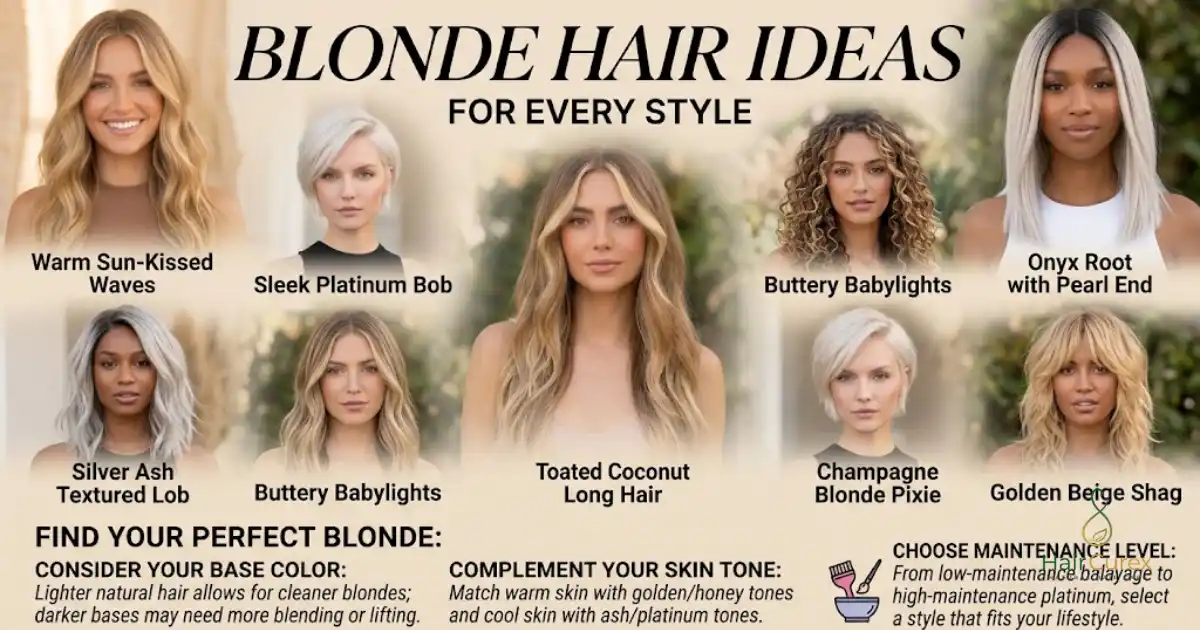
Beyond specific shade names, there’s a whole world of blonde hair ideas built around technique and styling rather than color alone. Dimensional blonde hair weaves together several closely related shades to mimic the natural variation found in real sun-lightened hair, avoiding the flat, one-note look of a single-process color. Blended blonde hair takes this a step further, softening the transition between root and ends so there’s no harsh line anywhere in the hair.
For those who don’t want frequent salon visits, low maintenance blonde hair techniques like balayage or a root-smudge lean into a natural grow-out rather than fighting it. Multi-tonal blonde combines three or more shades in one head of hair, often mixing warm and cool tones together for a richer, more complex finish than a single blonde shade could ever achieve on its own. And for anyone who wants maximum impact with minimum color, blonde face framing highlights brighten just the pieces around the face, instantly lifting the overall look without touching the rest of the hair. Finally, for people who genuinely want a noticeable, camera-ready result, bright blonde pushes the lightness level up significantly, trading some low-maintenance ease for serious visual impact. Each of these approaches, in its own way, answers a different version of the same question: how do I keep my blonde looking effortless rather than done?
Black and Blonde Hair Color Ideas
Combining deep black with light blonde creates one of the most dramatic contrasts in all of hair color, and black and blonde hair has become a signature look for anyone wanting bold, high-impact style.
Black Hair With Blonde Highlights
Adding blonde highlights on black hair creates striking contrast, but it also requires careful technique, since jumping from black to light blonde in a single session can seriously compromise hair health. Most colorists recommend a gradual lightening process, sometimes spread across multiple appointments, to protect the strand’s integrity.
High-Contrast Black and Blonde
For those chasing maximum drama, chunky, high-contrast blonde pieces against a jet-black base create an unmistakable, editorial-level look. This style photographs exceptionally well but demands significant upkeep to maintain the sharp contrast as roots grow in.
Blonde Face-Framing Pieces on Black Hair
A softer take on the same idea, face-framing blonde pieces against black hair brighten just the front sections, offering drama around the face while leaving the rest of the hair dark and low-maintenance.
Red Hair With Blonde Highlights
Adding blonde highlights on red hair requires a different approach than most other base colors, mainly because red pigment is notoriously stubborn and tends to fight back during the lightening process. A softer, blended approach uses face-framing or subtle babylights to introduce warmth-neutral blonde pieces that complement the red rather than compete with it, while a bolder, high-contrast approach uses chunkier foils for a more noticeable two-tone effect. Because red hair color molecules are larger and harder to lift than other pigments, this transformation is best left to an experienced colorist who can prevent the color from pulling brassy orange partway through the process.
Short Blonde Hair: Cuts and Color Ideas

Blonde takes on a different personality entirely when paired with a shorter cut, since short blonde hairstyles put color right at eye level with far less length to soften or blend transitions.
Neutral Blonde Bob
The blonde bob remains one of the most requested cuts in the country, and pairing it with a neutral blonde shade keeps the whole look polished, modern, and easy to style day to day.
Short Platinum Blonde Hair
On shorter styles, platinum reads even more striking, since there’s less length for the eye to travel across, making the brightness feel immediate and bold.
Short Ash Blonde Hair
Ash tones on short cuts create a cool, editorial finish, and because there’s less hair overall, toning touch-ups tend to be faster and less expensive than on longer lengths.
Short Blonde Hair With Dark Roots
Even on shorter cuts, a soft root shadow can extend the time between salon visits, proving that low-maintenance color isn’t just a long-hair strategy.
Toner for Blonde Hair: What Does It Do?
Blonde hair toner is a semi-permanent, pigmented treatment applied after lightening to correct unwanted warmth and dial in the exact final shade. Bleach alone doesn’t produce a “finished” blonde; it strips pigment down to an underlying warm, often yellow or orange base, and toner is what neutralizes that warmth into whatever final tone the client actually wants.
Toner for blonde hair becomes necessary any time freshly lightened hair reads too brassy, yellow, or orange for the desired result. For hair that pulls yellow, a purple-based toner is used, since purple sits directly opposite yellow on the color wheel and cancels it out. For hair pulling orange, a blue-based toner is needed instead, since blue neutralizes orange the same way purple neutralizes yellow. Cool toners push hair toward ash and silver tones, while neutral toners aim to balance warmth without overcorrecting into a flat, gray-ish cast.
Toner typically lasts anywhere from two to six weeks, depending on hair porosity, wash frequency, and water quality. As it fades, warmth tends to creep back in gradually, which is why most blonde clients return for a refresh every four to eight weeks. As one veteran colorist often tells clients during consultations, “Toner isn’t a one-time fix. It’s part of the ongoing maintenance that comes with the territory of being blonde.”
Kate Middleton Blonde Hair: Color Inspiration
Kate Middleton’s hair color has become a frequent reference point for clients requesting a soft, dimensional, naturally sun-kissed blonde rather than a stark, single-process shade. Her look blends a rich, brunette base with subtle, warm-neutral blonde pieces concentrated mostly around the face, an approach that reads as polished and put-together rather than overtly “done.” For anyone hoping to recreate a similar look, the most useful approach isn’t asking a stylist to copy an exact shade from a photo, but rather asking for the underlying technique: dimensional balayage with soft, face-framing pieces layered over a warm brunette base. That distinction, technique over exact color match, tends to produce far more flattering, personalized results anyway, since it accounts for each individual’s own skin tone and natural hair color.
How to Choose the Best Blonde Hair Shade
Picking the right shade among so many blonde hair color ideas comes down to a handful of genuinely important factors, and skin undertone tops the list. Warm undertones (yellow, peach, or golden) tend to pair beautifully with golden, honey, or strawberry blonde, while cool undertones (pink or blue) usually look best with ash, platinum, or icy blonde tones. Neutral undertones have the most flexibility and can typically wear both warm and cool shades successfully.
Natural hair color also matters enormously, since it determines how much processing will be required and how the final result will actually look once it’s finished. Eye color plays a smaller but real supporting role too; ash and cool blondes often make blue or gray eyes pop, while golden and warm blondes tend to complement brown or hazel eyes particularly well. Maintenance level is a practical, non-negotiable factor: platinum and white blonde demand frequent salon visits, while bronde, dark blonde, and balayage techniques allow for much longer stretches between appointments. Hair condition matters just as much as any color preference, since severely damaged or chemically treated hair may need strengthening treatments before it can safely handle significant lightening. Finally, desired brightness and the ongoing warm vs cool blonde debate really just come down to personal taste, there’s no universally “correct” answer, only what makes someone feel most like themselves.
| Skin Undertone | Best Blonde Direction | Example Shades |
|---|---|---|
| Warm (golden/peach) | Warm blonde | Golden blonde, strawberry blonde |
| Cool (pink/blue) | Cool blonde | Ash blonde, platinum blonde |
| Neutral/Olive | Neutral blonde | Beige blonde, sandy blonde, bronde |
How to Maintain Blonde Hair
Blonde hair care is a genuine, ongoing commitment, not a one-time appointment. Purple shampoo for blonde hair is the single most important product in most blonde-haired people’s routines, since its violet pigment neutralizes yellow tones between salon visits and keeps color looking fresh rather than brassy. Pairing it with a blonde-safe shampoo formulated without harsh sulfates helps protect both the color and the hair’s overall moisture balance. Deep conditioners and bond-repairing masks matter just as much, since lightened hair is inherently more porous and prone to dryness than untreated hair. Heat protection isn’t optional either; any blonde that’s been through bleach is already more vulnerable to heat damage, so a quality heat protectant should go on before every single styling session.
Toner maintenance keeps the underlying tone accurate over time, and preventing brassy blonde hair often comes down to a combination of purple shampoo, cooler wash water, and limiting sun exposure, since UV rays naturally pull warmth back into lightened hair. Regular salon touch-ups, whether that’s every four weeks for platinum or every ten to twelve weeks for a low-maintenance balayage, keep the color looking intentional rather than grown-out. And broadly speaking, protecting colored hair means treating it gently: fewer washes, cooler water temperatures, and silk pillowcases to reduce friction all add up over time to genuinely longer-lasting blonde hair maintenance.
How to Get Blonde Hair Safely
The path to blonde looks very different depending on where someone is starting from. Going blonde from medium brown hair is usually the most straightforward transition, often achievable in a single session with moderate lightening. Dark brown hair typically needs more lift and may require toning immediately afterward to avoid an unwanted orange or brassy stage. Black hair represents the most intensive transformation, frequently requiring multiple sessions spaced weeks apart to protect hair integrity while removing enough pigment to reach a true blonde.
Previously colored hair adds another layer of complexity entirely, since old color molecules can react unpredictably with new lightener, sometimes producing unexpected tones that a stylist needs to correct in real time. Even naturally blonde hair isn’t necessarily a shortcut; enhancing a natural blonde base still requires careful color matching to avoid an obvious, unnatural-looking result.
Across all of these starting points, one piece of advice holds true: significant lightening, especially anything requiring more than one or two levels of lift, is generally safer and more successful in the hands of a professional colorist. DIY bleach jobs on dark hair carry a real risk of chemical breakage, uneven color, and, in the worst cases, hair loss, none of which are easily reversible.
Frequently Asked Questions About Blonde Hair
What is the most popular blonde hair color?
Bronde and dimensional, balayage-style blonde currently rank among the most requested blonde hair colors in the United States, largely because they look natural and require far less maintenance than an all-over lightening treatment.
What is neutral blonde hair?
Neutral blonde hair is a balanced shade that doesn’t lean strongly warm or cool, making it one of the most universally flattering and easiest-to-maintain blonde options available.
Is neutral blonde warm or cool?
Technically, neutral blonde sits right in the middle of the spectrum, though many neutral shades carry a faint warm or cool lean depending on the exact formula a colorist uses.
What is the difference between ash blonde and neutral blonde?
Ash blonde actively cancels out warmth for a cooler, smokier finish, while neutral blonde simply avoids leaning heavily toward either warm or cool in the first place.
Does blonde hair require a toner?
Most lightened blonde hair benefits from toner, since bleach alone tends to leave behind unwanted warmth that toner is specifically designed to neutralize.
Can you get blonde balayage on brown hair?
Yes, blonde balayage on brown hair is one of the most common and most requested color services in salons today, prized for its natural, low-maintenance grow-out.
How do you keep blonde hair from turning brassy?
Consistent use of purple shampoo, regular toning appointments, cooler wash water, and limited sun exposure all work together to keep brassy tones from creeping back into blonde hair.
Conclusion
From a subtle dark blonde color to a bold, all-over white blonde hair color, the world of blonde offers something for virtually every skin tone, hair type, and lifestyle. The real key to a successful blonde hair transformation isn’t chasing a trend from a photo; it’s understanding your own undertone, being honest about how much maintenance you’re willing to keep up with, and trusting a skilled colorist to translate that into the right shade for you. Whether that means a soft, low-maintenance bronde or a striking, high-contrast platinum, the perfect blonde is really just the one that makes you feel the most like yourself. If you’re ready to make the leap, consider booking a consultation with a professional colorist who can map out the healthiest, most realistic path to your ideal blonde.