

Quick answer: The best shampoo for hair fall and dandruff is one with a proven anti-dandruff active ingredient — ketoconazole, selenium sulfide, or zinc pyrithione — used on the scalp 2–3 times a week, left on for a few minutes, and paired with a gentle conditioner. It can reduce flakes, itching, and the extra shedding that comes from an inflamed, scratched scalp, but no shampoo regrows hair or cures pattern hair loss. If flakes, redness, or shedding do not improve after 4–6 weeks of consistent use, see a dermatologist.
Shopping for a shampoo when you have both flakes and shedding is frustrating: the two problems need different things. Dandruff needs an active ingredient that controls yeast and scaling. Shedding needs a calm scalp, less breakage, and a realistic view of what a wash-off product can and cannot do. A shampoo that only smells nice will not fix flakes, and a harsh medicated shampoo used daily can dry hair so badly that breakage looks like even more hair fall.
This guide to the best shampoo for hair fall and dandruff explains how dandruff and shedding are connected, which actives have evidence behind them, how to match a formula to your scalp and hair type, and how to use it correctly. It also draws a clear line between this article and our hair-fall-only guide: if you have flakes, itching, or visible scaling, you need an anti-dandruff formula first, and the recommendations below are built around that.
How the Best Shampoo for Hair Fall and Dandruff Is Different From a Hair-Fall Shampoo
A standard hair-fall shampoo usually focuses on gentle cleansing, volume, or strengthening the hair shaft. That is useful, but it does not treat the cause of flakes. Our guide to the best shampoo for hair fall covers that situation: shedding without a flaky, itchy scalp, where the priority is reducing breakage and keeping hair and scalp healthy.
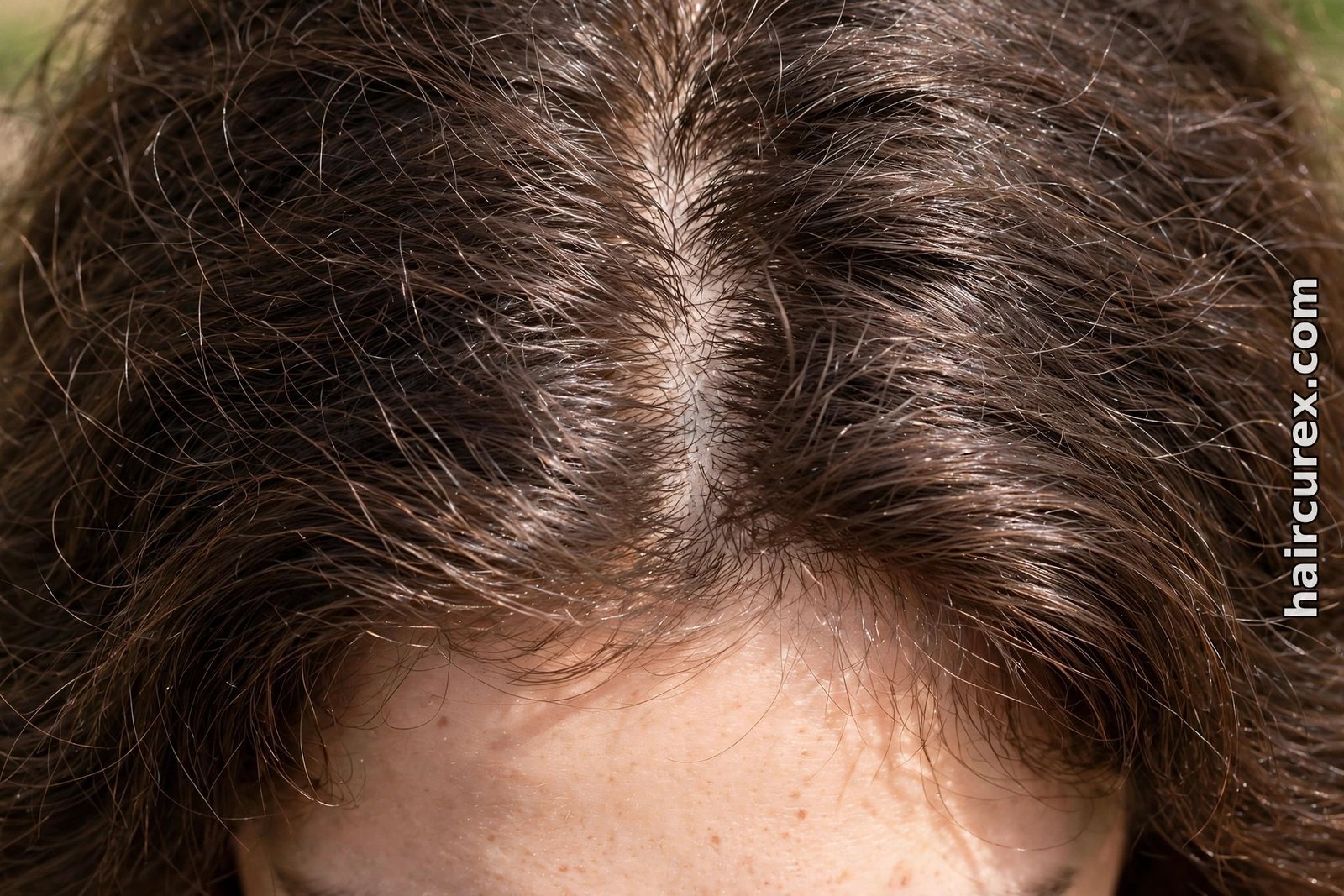
The combined problem is different. Here, the scalp itself is the main issue. Dandruff is a mild form of seborrheic dermatitis, a condition linked to the yeast Malassezia that lives on most adult scalps, along with oil, skin sensitivity, and individual susceptibility. When that yeast overgrows or the scalp becomes inflamed, skin cells shed faster than usual and appear as flakes. Itching follows, scratching follows that, and both inflammation and scratching can push more hairs into the shedding phase and snap fragile strands at the surface.
That is why the best shampoo for hair fall and dandruff must do two jobs at once: calm the scalp with a real anti-dandruff active, and clean without stripping the lengths. A formula that only does the first job may leave curly or dry hair brittle. A formula that only does the second may feel lovely and change nothing about the flakes. Look for both qualities on the label, not just a marketing claim on the front of the bottle.
Does Dandruff Cause Hair Fall?
Not directly, and that distinction matters. Dandruff does not kill hair follicles or cause permanent baldness on its own. The flakes sit on the surface of the scalp, while the follicle sits deeper in the skin. What dandruff can do is increase shedding while the scalp is inflamed. Dermatology sources describe this as an indirect link: inflammation can nudge hairs out of their growth phase early, and repeated scratching can break hairs and irritate the skin around each follicle. That shedding is usually temporary and settles once the scalp calms down.
Pattern hair loss is separate: a receding hairline, crown thinning, or widening part driven mainly by genetics and DHT sensitivity. An inflamed scalp can make it look worse, but an anti-dandruff shampoo does not treat it. If shedding is patterned, patchy, sudden, or severe, get it assessed rather than just buying a new shampoo. Our guide on how to stop hair fall explains how to tell shedding, breakage, and pattern thinning apart.
Stress, illness, major weight loss, and childbirth can also trigger temporary shedding months later, and dandruff often flares in stressful or cold, dry periods. Treating the scalp is still the right first step, but watch timing and pattern too.
Anti-Dandruff Ingredients That Actually Work
The American Academy of Dermatology (AAD) lists the active ingredients to look for in a dandruff shampoo: zinc pyrithione, salicylic acid, sulfur, selenium sulfide, ketoconazole, and coal tar. They do not all work the same way, and that is useful, because if one does not suit you, switching to a different active — rather than a different brand with the same active — is the sensible next step.
Ketoconazole (1% over the counter). An antifungal that targets Malassezia. It has some of the strongest trial evidence for moderate to severe dandruff and seborrheic dermatitis. In a trial of 331 people with severe dandruff or seborrheic dermatitis, ketoconazole 2% achieved 73% improvement at four weeks versus 67% for zinc pyrithione 1%. The 1% over-the-counter version is weaker but remains a strong first choice for obvious, greasy, or persistent flakes, used 2–3 times a week.
Selenium sulfide (1% over the counter). Slows both yeast growth and skin-cell turnover, which makes it helpful when scaling is thick or stubborn. It is often the ingredient dermatologists reach for when zinc pyrithione has not been enough. The trade-off is that it can be more drying and, in some formulas, has a stronger medicinal smell. Rinse thoroughly, and be aware it can discolor light or chemically treated hair if left on too long, so follow the label time carefully.
Zinc pyrithione (1–2%). The gentlest everyday option of the three antifungals, and the easiest to use long term. It reduces yeast and flaking and can maintain control over many months. For mild dandruff, a sensitive scalp, or frequent washing, this is usually the best starting point.
Salicylic acid. This is not an antifungal. It exfoliates, loosening flakes and buildup so they wash away. That makes it helpful for thick scale, but on its own it does not address the yeast behind dandruff, so it works best alongside — or rotated with — an antifungal active. It can also dry the scalp if overused.
Coal tar and sulfur. Older options that slow skin-cell turnover. Coal tar can stain, smell strongly, and increase sun sensitivity, so it suits fewer people today; sulfur is often paired with salicylic acid.
One more honest note: ingredients marketed for “hair growth” in shampoos — caffeine, biotin, rosemary, saw palmetto — are not a substitute for an anti-dandruff active. Some may support scalp health or make hair feel thicker, but they do not treat dandruff, and none has been shown to regrow hair from a shampoo alone. When flakes are the problem, buy for the active ingredient, not the growth claim.
Comparison Table: Which Active Suits Which Scalp?
| Active ingredient | Best for | How often (typical) | Watch out for |
|---|---|---|---|
| Ketoconazole 1% | Moderate to severe, greasy or persistent flakes | 2–3 times a week | Dryness if overused; follow label contact time |
| Selenium sulfide 1% | Thick, stubborn scaling | 2–3 times a week | Drying; possible discoloration of light hair |
| Zinc pyrithione 1–2% | Mild dandruff, sensitive scalp, long-term maintenance | Daily to every other day, as tolerated | May not be strong enough for severe scaling |
| Salicylic acid | Thick flakes and buildup (as a helper, not alone) | 1–3 times a week | Dryness; does not treat yeast on its own |
| Coal tar | Stubborn scaling when other actives fail | As directed, usually 1–2 times a week | Smell, staining, sun sensitivity |
Use this table when choosing the best shampoo for hair fall and dandruff, as a starting point, not a prescription. Your scalp, hair texture, wash frequency, and how your skin reacts matter as much as the ingredient name. If a shampoo irritates your scalp, causes redness or soreness, or makes flaking worse, stop it and try a different active or a gentler formula.
Choosing the Best Shampoo for Hair Fall and Dandruff by Hair Type
A good anti-dandruff shampoo still has to work with your hair, not against it. The scalp treatment matters most, but a formula that leaves your lengths dry and tangled will cause breakage that looks like more hair fall.
Fine or straight hair, oily scalp. You can usually wash more often, and your scalp may need the medicated shampoo twice a week with a light, regular shampoo on other days. Avoid heavy conditioners on the roots. A zinc pyrithione or ketoconazole formula with a lightweight conditioner on the lengths is a practical starting point.
Curly, coily, or dry hair. The AAD advises applying dandruff shampoo to the scalp only, because treatment ingredients can dry the lengths. For curly and coily hair, that advice matters even more: massage the shampoo into the scalp, let it sit, rinse, then condition the lengths separately. Once a week is often enough for the medicated wash, with your usual gentle wash and conditioner on other wash days. If your scalp is also dry rather than flaky from dandruff, read our guide to dry scalp with curly hair before assuming every flake is dandruff — dry scalp and dandruff look similar but respond to different care.
Color-treated or chemically treated hair. Selenium sulfide and coal tar carry the highest discoloration risk, so ketoconazole and zinc pyrithione are usually safer starting points. Keep to the label contact time, rinse well, and condition the lengths.
Sensitive scalp. Start with zinc pyrithione, use lukewarm water, and skip heavily fragranced formulas on medicated days if they sting.
How to Use an Anti-Dandruff Shampoo Correctly
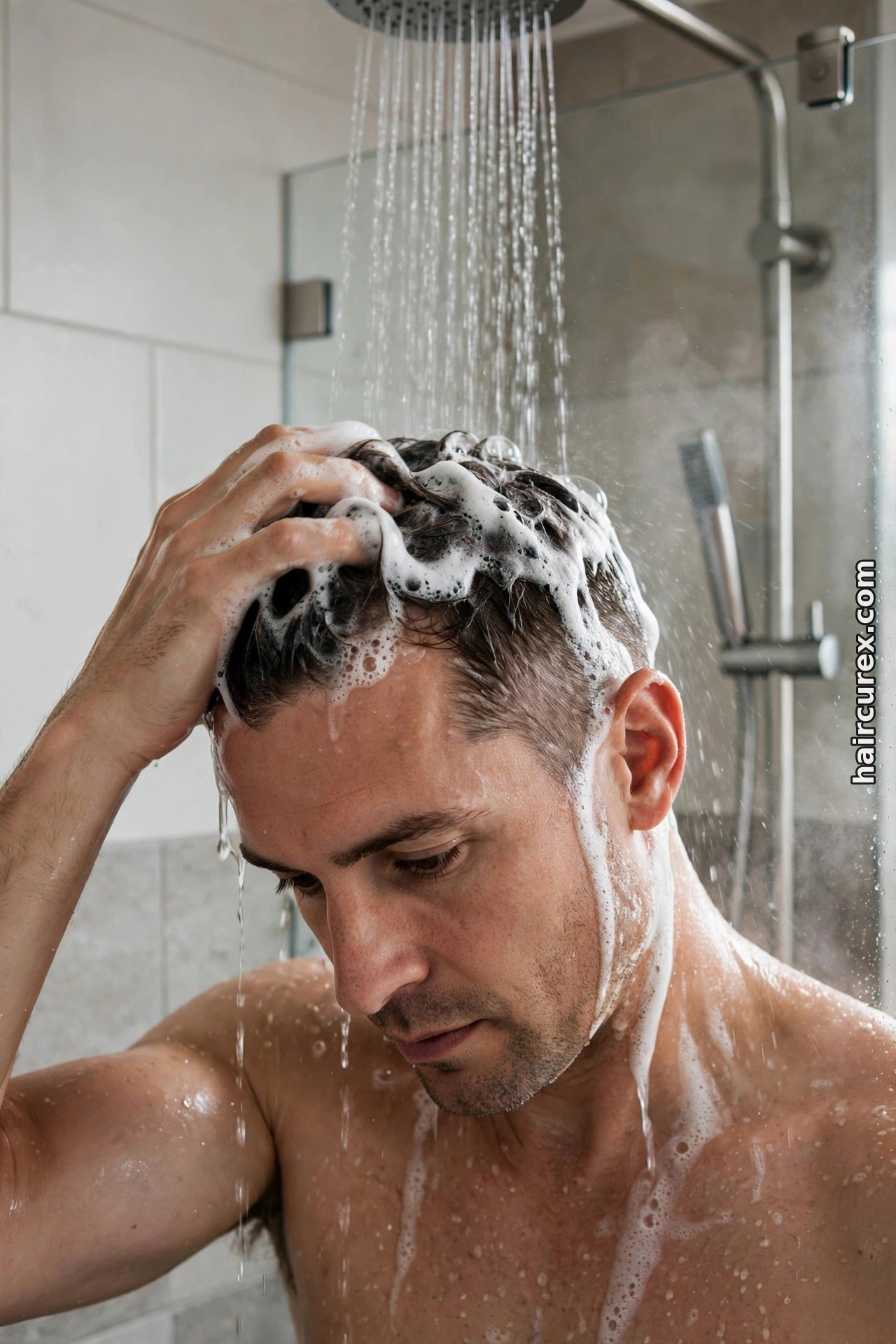
Most people use the best shampoo for hair fall and dandruff like regular shampoo: lather and rinse straight away. That is the single most common reason it “does not work.” The active ingredient needs contact time on the scalp to do its job. Follow the bottle, but the general method dermatologists recommend is:
- Wet your hair thoroughly with lukewarm water. Hot water can irritate an already itchy scalp and dry the lengths.
- Apply the shampoo to the scalp first, not just the lengths. Massage gently with your fingertips for a minute so it reaches the skin.
- Leave it on for the time the label states — often around 5 minutes, sometimes up to 10 for some formulas. Use that time to wash the rest of your body, then rinse.
- Repeat only if the label says to. On non-medicated wash days, use your regular gentle shampoo.
- Condition the mid-lengths and ends, keeping heavy conditioner off the scalp if your scalp is oily.
- Be consistent for 4–6 weeks before deciding whether a formula works. Dandruff is a chronic, recurring condition for many people, so maintenance matters as much as the first few washes.
Wash frequency should follow your hair type: fine or straight hair and oily scalps may need washing daily or every other day, with dandruff shampoo about twice a week, while coarse, curly, or coily hair can be washed as needed, with dandruff shampoo about once a week. See our hair washing guide for that rhythm.
Two habits help more than any extra product: do not scratch flakes off with your nails, and do not pile heavy oils or styling products onto an inflamed scalp.

What a Shampoo Will Not Do — and Mistakes That Make Shedding Worse
When judging the best shampoo for hair fall and dandruff, it is worth being blunt here, because this category is full of overpromising labels. No shampoo regrows hair, reverses pattern baldness, or “cures” dandruff permanently. Dandruff tends to come back when treatment stops, which is why maintenance — a medicated wash once or twice a week, or as your dermatologist advises — is part of living with it, not a sign the product failed. The Mayo Clinic makes the same point plainly: there is no cure for dandruff, and symptoms may return even after successful treatment.
Common mistakes include: using a strong medicated shampoo daily until hair turns brittle; switching products every few days; applying treatment shampoo only to the lengths; using very hot water and rough towel-drying; and ignoring a separate cause of shedding, such as a new medication, thyroid issue, or iron deficiency. A shampoo can only fix the part of the problem on the scalp surface.
Supportive care helps in proportion: gentle handling, a suitable conditioner, and no tight styles pulling at the roots reduce breakage while the scalp settles. If you use scalp oils, keep them light and off an actively inflamed scalp — see our guide to the best hair growth oils for hair fall; oils support the lengths but are not a dandruff treatment.
A Simple Weekly Routine for Flakes Plus Shedding
Here is a realistic starting routine for the best shampoo for hair fall and dandruff you can adjust to your hair type. It assumes a moderate case: visible flakes, itching, and more shedding than usual, without patchy bald spots or severe redness.
- Medicated wash days (2 times a week): Anti-dandruff shampoo on the scalp, left on for the label time, followed by conditioner on the lengths only.
- Other wash days: Gentle, sulfate-light shampoo if you wash often, or just conditioner and water rinsing if your hair type suits it.
- Daily: Gentle detangling from the ends upward, no nail scratching, and a loose style that does not pull the hairline.
- Weekly check: Are flakes fewer, is itching calmer, and is the shower drain catching less hair than two weeks ago? Judge over weeks.
- After 4–6 weeks: If flakes are controlled, drop to a maintenance rhythm (often once a week medicated, or as the label advises). If not, switch to a different active ingredient and give that a full trial.
If you use styling products, space any clarifying wash away from medicated washes and keep the scalp routine simple while judging the active.
When to See a Dermatologist Instead of Trying Another Bottle
Even with the best shampoo for hair fall and dandruff, see a dermatologist promptly if you notice any of the following: thick, yellow, crusty scales; intense redness, swelling, soreness, or oozing; flakes spreading well beyond the scalp to the eyebrows, ears, chest, or face; circular bald patches; sudden, heavy shedding; or no improvement after several weeks of correct, consistent use of two different actives. These can point to seborrheic dermatitis that needs prescription treatment, psoriasis, eczema, a fungal infection, or a separate hair-loss condition — none of which an over-the-counter shampoo is designed to diagnose.
A dermatologist can also prescribe stronger options, such as ketoconazole 2% shampoo, and check for other causes of shedding. Bring a short history: when flakes and shedding started, products tried and for how long, new medications or illnesses, and whether shedding is diffuse or patterned.
Frequently Asked Questions
What is the best shampoo for hair fall and dandruff?
The best shampoo for hair fall and dandruff is one with a proven anti-dandruff active — ketoconazole 1%, selenium sulfide 1%, or zinc pyrithione — matched to your scalp severity and hair type, used on the scalp with proper contact time 2–3 times a week. It should calm flakes and itching while keeping the lengths from drying out.
Can dandruff shampoo stop hair fall?
It can reduce the extra shedding caused by scalp inflammation and scratching, but it does not stop pattern hair loss or regrow hair. If shedding is diffuse and tied to an itchy, flaky scalp, it often settles as the scalp calms. Patterned or patchy loss needs separate assessment.
How long does anti-dandruff shampoo take to work?
Most people need 4–6 weeks of consistent use before judging a formula. Itching often eases sooner, but flakes and shedding take longer to settle. Switching products every few days prevents any active from working properly.
Should I use anti-dandruff shampoo every day?
Usually not. Most medicated shampoos are used 2–3 times a week at first, then less often for maintenance. Daily use can dry hair and scalp. Gentler zinc pyrithione formulas are the exception for some people, but always follow the label and how your scalp responds.
Can I use conditioner with an anti-dandruff shampoo?
Yes. Apply conditioner to the mid-lengths and ends after rinsing the medicated shampoo from the scalp. This protects the lengths from dryness without blocking the treatment. If your scalp is very oily, keep conditioner off the roots.
Is it safe to use anti-dandruff shampoo on color-treated hair?
Usually, with care. Ketoconazole and zinc pyrithione formulas are generally the safer starting points. Selenium sulfide and coal tar carry more risk of dryness or discoloration, so follow label times, rinse well, and condition the lengths.
When should I see a dermatologist for dandruff and hair fall?
See a dermatologist if flakes do not improve after several weeks of correct use of two different actives, or if you have severe redness, crusting, oozing, spreading rash, circular bald patches, or sudden heavy shedding. Prescription treatments and a proper diagnosis may be needed.