


If your hair looks flat and greasy by midday — even though you washed it this morning — the problem is usually not your hair. It is your shampoo. The best shampoo for oily hair cleans away excess sebum from the scalp without stripping it so hard that the scalp overcompensates, and it leaves no heavy residue that weighs fine hair down. This guide explains how to choose the best shampoo for oily hair, which ingredients actually help, how to wash properly, and how often to wash so your hair stays fresh longer.
Quick answer: The best shampoo for oily hair is a lightweight, clarifying or volumizing shampoo that cleans the scalp thoroughly — look for gentle surfactants, zinc pyrithione or salicylic acid for a flaky scalp, and no heavy oils, silicones or butters near the top of the ingredient list. Use a clarifying shampoo once a week and a gentle daily shampoo the rest of the time. Most people with oily hair should wash every day or every other day; washing less often does not “train” the scalp to produce less oil.
Why Does Hair Get Oily So Fast?
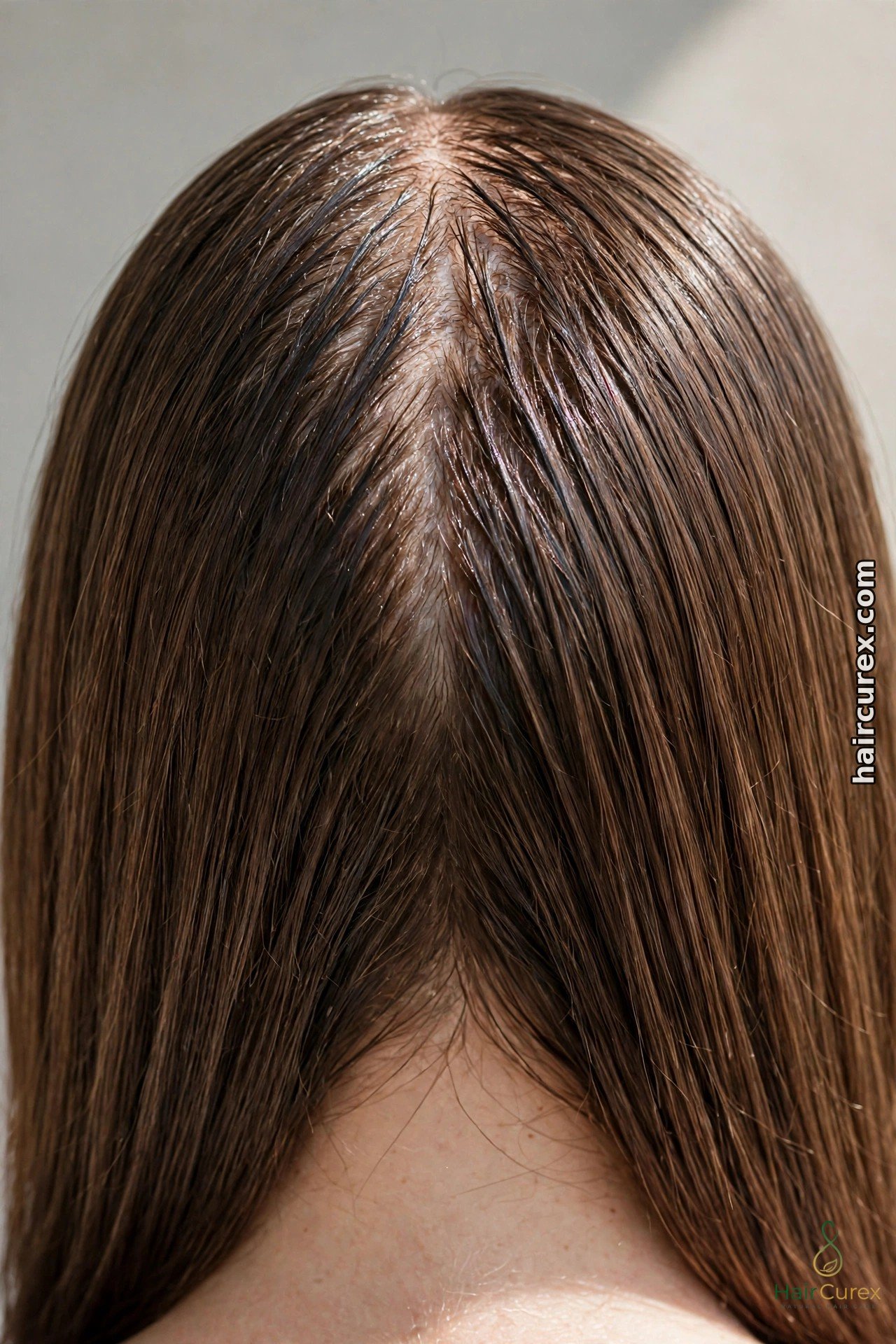
Hair gets oily because of sebum, the natural oil your scalp produces to protect the skin and hair. Everyone produces sebum, but some scalps produce more — because of genetics, hormones, heat, humidity, stress, or simply having fine, straight hair, which shows oil faster because there is less surface area for the oil to spread across and the strands lie flat against the scalp.
Oil itself is not the enemy. Sebum keeps the scalp barrier healthy. The problem starts when excess sebum mixes with sweat, dead skin cells and styling products. That mixture makes roots look stringy, kills volume, and can leave an itchy, flaky scalp. If your scalp is persistently itchy or flaky as well as oily, read our guide to an oily scalp before changing anything else in your routine.
A common myth is that washing less often “trains” your scalp to make less oil. There is no good evidence for this. Sebum production is driven mainly by hormones and genetics, not by how often you shampoo. Stretching washes usually just leaves oil, sweat and buildup sitting on the scalp longer — which can make itching and flaking worse. What actually helps is the right shampoo, used the right way.
What to Look for in a Shampoo for Oily Hair
A good shampoo for oily hair does three things: it cleans the scalp properly, it rinses away completely, and it does not add weight. Here is how to read a label with those three jobs in mind.
Effective but gentle cleansing
Look for shampoos built around gentle surfactants such as sodium laureth sulfate, sodium lauryl sulfoacetate or cocamidopropyl betaine. Sulfates are not automatically bad — they are simply strong cleansers — but a formula that pairs a sulfate with conditioning agents is usually gentler than a harsh, stripped-down one. If your scalp feels tight or itchy after washing, the formula is too strong for you, not “working better.”
Ingredients that help an oily, flaky scalp
If oil comes with flakes or itching, look for zinc pyrithione, selenium sulfide or salicylic acid. Zinc pyrithione and selenium sulfide calm the yeast that contributes to dandruff; salicylic acid helps lift flakes and excess oil from the scalp. These are the active ingredients in most anti-dandruff shampoos, and they are worth trying before reaching for a stronger product.
What to avoid
Avoid heavy oils (coconut oil, argan oil, shea butter) and heavy silicones (dimethicone, amodimethicone) in the first five ingredients of a shampoo for oily hair — they are designed to coat the hair, which is the opposite of what greasy roots need. Avoid “2-in-1” shampoo-and-conditioner products if your hair gets oily fast; the conditioner part deposits coating ingredients on the roots. And avoid shampoos that promise “miracle” oil control in one wash — no shampoo changes how much oil your scalp makes.

Types of Shampoo for Oily Hair Compared
Not every oily-hair shampoo works the same way. The table below compares the main types so you can pick the right one for your situation — most people do best with a gentle daily shampoo plus a clarifying wash once a week.
| Shampoo type | Best for | How it works | How often |
|---|---|---|---|
| Gentle daily shampoo | Everyday washing, mild oiliness | Light surfactants clean without stripping | Every day or every other day |
| Clarifying shampoo | Buildup, heavy products, hard water | Stronger cleansers remove residue and oil | Once a week |
| Volumizing shampoo | Fine, flat, oily hair | Lightweight formula, no heavy coating agents | Every wash |
| Anti-dandruff shampoo | Oily scalp with flakes or itching | Zinc pyrithione, selenium sulfide or salicylic acid | 2–3 times a week, or as directed |
| Dry shampoo | Between washes, no time to wash | Starch powders absorb surface oil | As needed, not as a replacement |
| Sulfate-free shampoo | Sensitive or colour-treated scalp | Milder cleansers, gentler on the scalp | Every wash, if it cleans well enough |
A clarifying shampoo is the most misunderstood product on this list. It is not a daily shampoo — used every day it can strip the scalp and leave hair feeling dry and rough. Used once a week, it resets the scalp by removing the buildup that gentle shampoos leave behind. Think of it as a weekly deep clean, not your everyday wash. If you use a lot of styling products or live in a hard-water area, a weekly clarifying wash matters even more — see our guide to a detox shampoo for the same idea in more depth.
How to Choose the Best Shampoo for Oily Hair for Your Hair Type
Oily hair is not one hair type. The right shampoo depends on what else your hair is doing.
Fine, straight, oily hair
Pick a volumizing or lightweight clarifying shampoo with no oils or silicones in the first five ingredients. Fine hair shows oil fastest and is weighed down most easily, so the lightest formula wins. Conditioner goes on the ends only — never on the roots.
Thick or wavy oily hair
Pick a gentle daily shampoo with a little more cleansing power, and use a clarifying shampoo once a week. Thick hair hides oil better at the roots, so you can usually wash every other day. Focus the shampoo on the scalp and let the lather run down the lengths — the ends rarely need direct shampooing.
Curly oily hair
Pick a sulfate-free or gentle shampoo that still cleans the scalp well, and clarify once a week. Curly hair needs moisture on the lengths, so keep conditioner and styling products on the mid-lengths and ends, and keep them off the scalp entirely.
Colour-treated oily hair
Pick a sulfate-free, colour-safe shampoo labelled for oily hair, and protect the colour by washing with lukewarm — not hot — water. A weekly clarifying wash is still fine, but choose a colour-safe clarifying formula so it does not strip the colour faster.
Oily scalp with flakes or itching
Start with an anti-dandruff shampoo containing zinc pyrithione or selenium sulfide, used 2–3 times a week, alternating with a gentle daily shampoo. If flakes, itching or redness persist after two to three weeks, see a dermatologist rather than trying stronger products on your own.
When you try a new shampoo, give it two to three weeks before judging it. Your scalp needs time to adjust, and one wash tells you almost nothing. Judge it by three things: does the scalp feel clean but not tight, does the hair stay fresh until the next wash, and does the volume last through the day? If hair fall is your main concern rather than oil, see our guide to the best shampoo for hair fall.
How to Wash Oily Hair Properly: Step by Step
The right shampoo helps, but how you wash matters just as much. Follow these steps:
1. Wet your hair thoroughly with lukewarm water. Hot water strips the scalp and can make it feel tight and reactive; lukewarm water cleans just as well.
2. Use the right amount. A coin-sized amount is enough for short to medium hair; a little more for long or thick hair. More shampoo does not mean cleaner hair — it means more residue to rinse out.
3. Massage the scalp, not the lengths. Work the shampoo into the scalp with your fingertips for 60 seconds. The scalp is where the oil is. Let the lather run down the lengths as you rinse — the ends do not need scrubbing.
4. Rinse thoroughly. Rinse until the water runs clear and the hair no longer feels slippery. Residue left on the scalp is one of the most common reasons hair looks greasy again within hours.
5. Shampoo twice if needed. If your hair is very oily or you have a lot of buildup, a first wash removes surface oil and a second wash actually cleans the scalp. Two small washes beat one heavy one.
6. Condition the ends only. Apply conditioner from mid-length to ends, never on the scalp or roots. Rinse it out completely. If your hair is fine and oily, you can often skip conditioner on wash days entirely, or use a lightweight leave-in on the ends only. For a full routine built around washing and conditioning, see our deep-conditioning routine guide.
7. Rinse with cool water at the end. A final cool rinse helps the cuticle lie flat, which adds shine and makes hair look less greasy.

How Often Should You Wash Oily Hair?
Most people with oily hair should wash every day or every other day. That is the honest answer, and it is also what dermatologists generally recommend: wash as often as your scalp needs it, and do not feel guilty about daily washing. Daily washing does not damage healthy hair when you use a gentle shampoo and condition the ends.
Washing every other day works if your hair still looks acceptable on day two — try a light dry shampoo at the roots in the morning to stretch it. Washing every three or four days usually fails for genuinely oily hair: the scalp gets itchy, flakes appear, and the roots look flat and stringy. If you are worried that frequent washing causes hair loss, the evidence points the other way — leaving oil, sweat and buildup on the scalp is worse for it than washing. See our article on skipping washes and hair loss for the full picture.
One practical tip: wash in the morning if your hair gets oily overnight. A morning wash gives you the freshest hair for the day, and a silk or satin pillowcase can reduce overnight friction and frizz, though it will not stop oil production.
Dry Shampoo Between Washes
Dry shampoo is a useful tool, not a replacement for washing. Its starch powders absorb surface oil and add a little volume at the roots, which can stretch a wash by a day.
Use it correctly: hold the can 20–30 cm from the scalp, spray lightly at the roots, wait two minutes, then brush or massage it through. Too much dry shampoo leaves a white cast, clogs the scalp and can make itching worse. Never use dry shampoo two days in a row without washing in between, and never use it as your only wash for a week — buildup on the scalp is exactly what you are trying to avoid.

7 Mistakes That Make Oily Hair Worse
- Using a heavy, moisturizing shampoo. Rich formulas coat the hair and make roots look greasy within hours. Match the shampoo to the scalp, not the ends.
- Putting conditioner on the roots. Conditioner belongs on the mid-lengths and ends only. On the scalp it adds oil and weight.
- Washing with very hot water. Hot water strips the scalp and can leave it feeling tight and irritated. Lukewarm is enough.
- Not rinsing thoroughly. Residue is one of the fastest routes back to greasy-looking hair. Rinse until the water runs clear.
- Touching your hair all day. Hands transfer oil to the hair, and brushing too often spreads scalp oil down the lengths. Keep hands off and brush once or twice a day.
- Using dry shampoo every day instead of washing. Dry shampoo absorbs oil but leaves powder and buildup behind. It stretches a wash — it does not replace one.
- Skipping washes to “train” the scalp. Sebum production is driven by hormones and genetics, not by your wash schedule. Stretching washes usually just leaves oil and buildup sitting on the scalp.
What Realistic Results Look Like
The best shampoo for oily hair will not stop your scalp producing oil — no shampoo can. What it can do is keep your hair looking clean and feeling light until your next wash, add volume at the roots, and keep the scalp comfortable instead of itchy. That is a realistic expectation, and it is worth more than any “miracle” claim on a bottle.

If you switch to a lightweight, clarifying weekly wash plus a gentle daily shampoo, wash with lukewarm water, condition only the ends, and rinse thoroughly, most people see the difference within two to three weeks: fresher roots in the morning, volume that lasts past lunch, and less itching. Pick one shampoo, use it consistently for a month, and judge it by how your hair looks and feels at the end of the day — not by the promises on the label. The American Academy of Dermatology’s healthy-hair tips are a good starting point for the daily habits that keep hair strong between washes.
Frequently Asked Questions
How often should I wash oily hair?
Most people with oily hair should wash every day or every other day. Daily washing with a gentle shampoo does not damage healthy hair, and washing less often does not train the scalp to produce less oil.
What is the best shampoo for oily hair?
The best shampoo for oily hair is a lightweight clarifying or volumizing shampoo that cleans the scalp thoroughly without heavy oils or silicones. Use a gentle daily shampoo most days and a clarifying shampoo once a week to remove buildup.
Should I use conditioner if my hair is oily?
Yes, but only on the mid-lengths and ends, never on the scalp or roots. Choose a lightweight conditioner, rinse it out completely, and skip it on wash days if your hair is fine and gets oily fast.
Does washing hair every day make it more oily?
No. Sebum production is driven mainly by hormones and genetics, not by how often you wash. Daily washing with a gentle shampoo removes excess oil; leaving oil and buildup on the scalp is worse for it than washing.
Can dry shampoo replace washing oily hair?
No. Dry shampoo absorbs surface oil and adds volume, which can stretch a wash by a day, but it leaves powder and buildup behind. Never use it two days in a row without washing in between.
Why does my hair get oily a few hours after washing?
The most common reasons are a shampoo that is too heavy, conditioner applied to the roots, incomplete rinsing, hot water, or a lot of styling product. Switch to a lightweight shampoo, condition only the ends, rinse thoroughly with lukewarm water, and see if the freshness lasts longer.