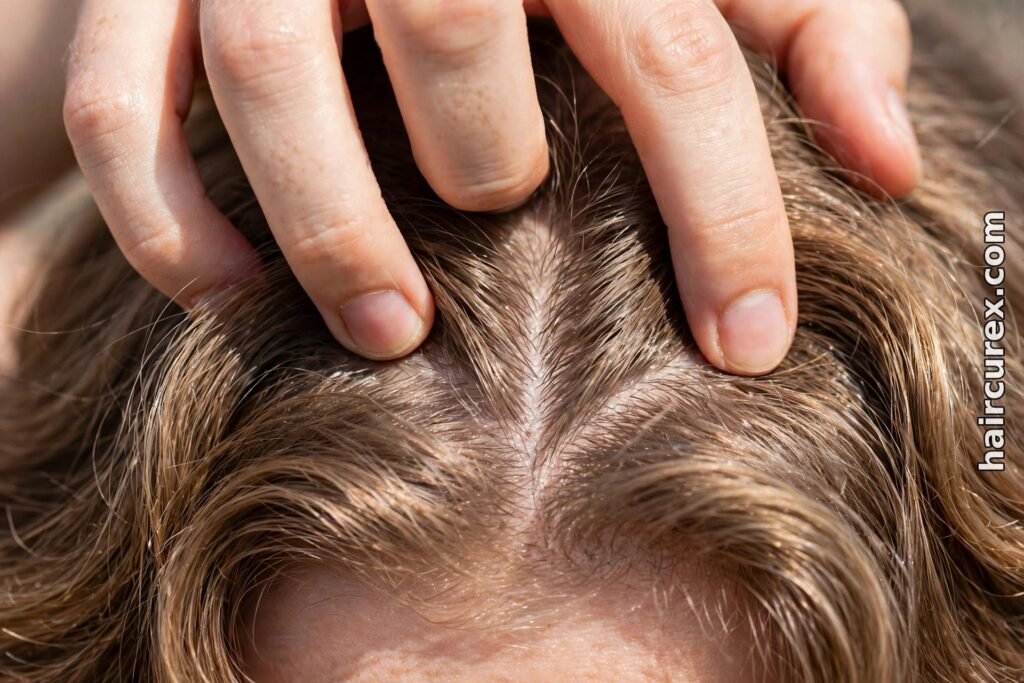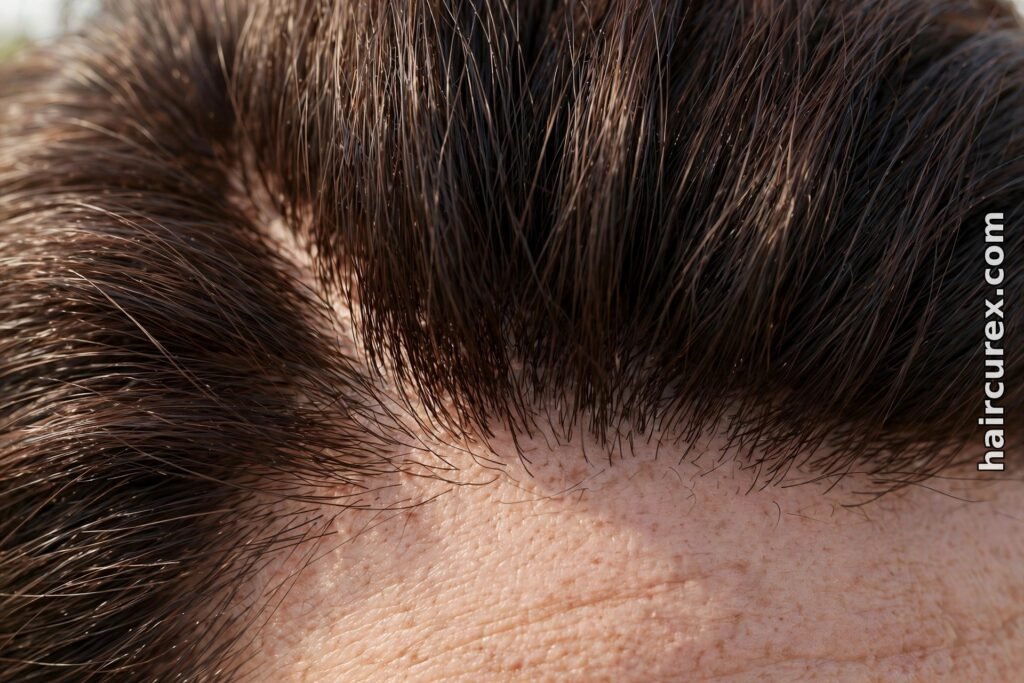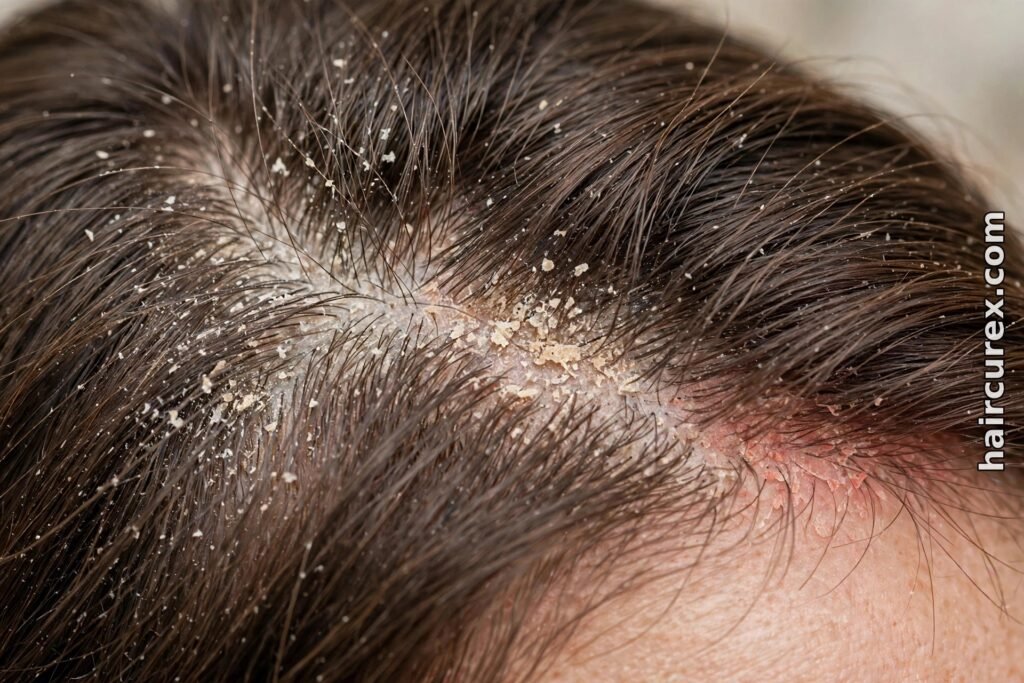


Finding more hair than usual in your shower drain, on your pillow, or in your brush is alarming. The first question most people ask is whether they are experiencing normal shedding or true hair loss — and the answer matters, because the causes, timelines, and treatments are different. This guide to hair shedding vs hair loss explains how to tell the difference, what counts as normal, when shedding is a temporary response to stress or illness, and when thinning is a sign of pattern hair loss or another condition that needs medical attention.
Quick answer: Hair shedding is the normal release of hairs at the end of their growth cycle, usually 50 to 100 hairs a day, with regrowth keeping pace so overall density stays about the same. Hair loss, by contrast, means regrowth is not keeping pace: you may notice a widening part, a receding hairline, thinner ponytails, or patches where hair is not returning. Shedding is usually diffuse and temporary; true loss is often patterned, progressive, or patchy, and it deserves a closer look if it is sudden, severe, or persistent.
Hair Shedding vs Hair Loss: What Is Actually Happening?
Every hair on your head is in its own cycle. At any moment, most hairs are growing, some are transitioning, and a small proportion are resting before they fall out. Shedding is the final step of that cycle, not a failure of it. You lose hairs every day, and new hairs replace them. Problems arise only when the balance shifts: too many hairs enter the resting phase at once, or new hairs become progressively thinner, shorter, or absent.
That distinction helps explain why counting hairs alone is not enough. A person with very thick, long hair may notice more hair in the drain without losing density, while a person with fine hair may notice thinning before they notice extra shedding. Look at pattern, timing, and density together, rather than panicking over a single wash day.
How Much Shedding Is Normal? The 50 to 100 Hairs a Day Range
Most dermatology sources, including the Mayo Clinic guide to hair loss, state that people typically lose 50 to 100 hairs a day. The American Academy of Dermatology hair loss resource center similarly frames daily shedding as a normal part of the hair cycle. That range is an average, not a strict limit: washing, brushing, and hairstyle all affect how many shed hairs you notice on a given day.
You may notice more shedding on wash days, especially if you wash less often, because hairs that were already shed stay trapped in tangles until you rinse. Curly and coily hair can also hold shed hairs longer. That is why a weekly count, rather than a single-day count, gives a fairer picture. If your usual amount roughly doubles for several weeks, or if you can see a change in density, that trend matters more than one heavy shed day.
The Hair Growth Cycle in Plain English
Understanding the cycle makes the rest of this guide much easier. There are three main phases. Anagen is the growth phase and lasts two to seven years for scalp hair; about 85 to 90 percent of scalp hairs are in anagen at any time. Catagen is a short transition phase of about two to three weeks, when growth stops and the follicle shrinks slightly. Telogen is the resting phase, lasting about three months, after which the hair sheds and a new hair begins to grow from the same follicle.
Because follicles cycle independently, you do not shed all your hair at once under normal conditions. A disruption that pushes many follicles into telogen at the same time, however, produces a noticeable wave of shedding two to three months later. That delay is one of the most confusing parts of hair shedding, and it explains why people often blame the wrong trigger.
Telogen Effluvium: When Shedding Spikes After Stress or Illness
Telogen effluvium is the most common cause of sudden, diffuse shedding. A physical or emotional shock — a high fever, major surgery, childbirth, rapid weight loss, severe illness, a new medication, or a period of intense stress — can push a large number of growing hairs into the resting phase at once. Two to three months later, those hairs shed together, often 150 to 300 or more hairs a day for a period of weeks to months.
The key features are timing and pattern. Shedding is usually all over the scalp rather than in one patch or along a hairline, the scalp itself usually looks normal, and there is no scarring. The trigger, if you trace back two to three months, is often identifiable. Postpartum shedding is a well-known example: hormone changes after childbirth shift many hairs into telogen, and shedding peaks a few months later before settling.
Recovery also takes time. Once the trigger has passed, shedding usually slows within three to six months, and visible regrowth — short, fine hairs along the hairline and part — follows over the next six to twelve months. Full density may take a year or more, because hair grows only about half an inch per month. If shedding continues beyond six to nine months without slowing, or if it keeps recurring, it may be chronic telogen effluvium or another cause, and it is worth discussing with a clinician rather than waiting indefinitely.
Deficiencies and thyroid problems can contribute to shedding, so a clinician may check iron, vitamin D, thyroid function, and other factors when shedding is persistent. That does not mean every shedder needs supplements: taking high doses without a confirmed deficiency can cause harm, and hair does not grow faster just because you add more of a nutrient you already have enough of. For context on one commonly discussed factor, see our guide to vitamin D deficiency and hair loss.
Pattern Hair Loss vs Shedding: The 7 Signs That Point to Loss
Pattern hair loss, also called androgenetic alopecia, is different from a shedding episode. Follicles gradually miniaturise under genetic and hormonal influence, producing thinner, shorter hairs until some follicles stop producing visible hair. Shedding may or may not increase noticeably, but density falls over time. Here are seven signs that point more toward loss than simple shedding:
- 1. A widening part or visible scalp in the crown area, especially in women, or a receding hairline and thinning crown in men.
- 2. Thinner ponytails or less coverage when hair is tied back, even if the drain does not look dramatically worse.
- 3. Miniaturised hairs: many short, wispy hairs mixed with normal hairs in the affected area.
- 4. A gradual, progressive course over months and years, rather than a sudden wave that then improves.
- 5. A family pattern of similar thinning on either side of the family.
- 6. No clear trigger two to three months earlier, and no return to baseline after six months.
- 7. A patterned distribution — temples, crown, or midline part — rather than even shedding everywhere.
Pattern loss is not caused by washing, brushing, or wearing a hat, and it is not a sign that you are doing something wrong. It is also not something that a shampoo alone can reverse, although gentle care can reduce breakage that makes thinning look worse. Our guide to how to stop hair fall explains the difference between reducing breakage and treating the underlying cause.
Other Causes of Shedding and Hair Loss
Not every case fits neatly into telogen effluvium or pattern loss. Alopecia areata causes round, smooth patches of loss and is an autoimmune condition. Traction alopecia results from repeated tight hairstyles pulling on follicles. Trichotillomania involves hair pulling. Scalp conditions such as severe seborrhoeic dermatitis, psoriasis, or fungal infection can cause shedding, itching, and scaling. Scarring alopecias, though less common, destroy follicles and require prompt dermatology assessment because regrowth may not be possible once scarring is established.
Medications, including some blood pressure drugs, antidepressants, retinoids, and chemotherapy agents, can also trigger shedding, as can major hormonal shifts, thyroid disease, and significant nutritional deficiency after restrictive dieting or illness. If you started a new medicine shortly before shedding began, do not stop it on your own — raise the timing with the prescriber and ask about alternatives or monitoring.
Shedding vs Loss at a Glance: Comparison Table
| Feature | Hair shedding | Hair loss |
|---|---|---|
| Pattern | Diffuse, all over the scalp | Patterned, patchy, or along a hairline or part |
| Timeline | Sudden wave 2 to 3 months after a trigger, then improves | Gradual over months to years, or sudden patches |
| Density | Usually preserved once shedding slows | Falls: widening part, thinner ponytail, visible scalp |
| Regrowth | New hairs return as trigger passes, over 6 to 12 months | Regrowth may be thinner, slower, or absent without treatment |
| Scalp | Usually looks normal | May show patches, redness, scaling, pain, or scarring |
| Warning signs | Very heavy shedding lasting over 6 months | Patches, scarring, pain, rapid worsening, or eyebrow or eyelash loss |
Self-Checks and Tracking: How to Monitor Without Obsessing
A simple tracking routine prevents both panic and missed warning signs. Take a photo of your part and crown in the same light, at the same angle, once a month. Note wash-day shedding roughly — for example, a small handful, a moderate amount, or a large amount — rather than trying to count every hair. Keep a short note of illness, major stress, new medicines, diet changes, and childbirth, with dates, so you can spot the two-to-three-month lag.
Try the gentle pull test only occasionally and do not use it as a diagnosis: grasp about 50 hairs near the scalp and tug gently. A few hairs coming out is normal; many hairs, or hairs with a small white bulb at the end, are more typical of telogen shedding than breakage. Breakage is different: short hairs without a bulb, split ends, and a rough, dry feel point to damage rather than shedding from the root. If you are unsure, a dermatologist can examine hairs under magnification and check the scalp directly.
Track for at least three months before judging a change, because hair responds slowly. If density is stable and shedding is easing, you are probably watching a temporary episode resolve. If density keeps falling, if you see new patches, or if shedding does not ease after six months, book an assessment instead of extending the wait.
What Actually Helps: Evidence-Based, Practical Steps
Start with the cause. For telogen effluvium, removing or treating the trigger — recovering from illness, correcting a deficiency found on testing, reviewing a medicine with your clinician, or easing a period of severe stress — matters more than any product. For pattern loss, proven medical options exist and work best when started early, so an early dermatology conversation is valuable even if you are not ready to start treatment.
Daily care should protect the hair you have. Wash regularly with a gentle shampoo, condition the lengths, avoid aggressive brushing when wet, and limit heat and tight styles. A healthy scalp supports growth, and persistent itch, flaking, or soreness should be treated rather than masked with heavier products. For scalp comfort, see our guide to dry scalp with curly hair, which covers gentle washing and moisturising routines that suit many hair types.
Be realistic about oils and shampoos. A good shampoo can reduce breakage and keep the scalp clean, but it does not regrow miniaturised follicles on its own. Our roundup of the best shampoo for hair fall can help you choose a gentle, suitable product, while rosemary oil is often discussed as a supportive scalp treatment; read our review of rosemary oil for hair growth before expecting it to replace medical treatment for pattern loss.
Eat adequately and variedly, prioritise sleep, and manage stress in ways you can sustain. Crash diets, very low protein intake, and iron deficiency are all linked to shedding, so extreme restriction is a poor trade for hair health. Supplements are only helpful when a deficiency or a medical indication exists; otherwise they add cost without benefit and, in high doses, can cause side effects.
Mistakes to Avoid When You Are Shedding
- Stopping washing to save hair: shed hairs stay trapped and then appear in a larger clump, which looks worse and can irritate the scalp.
- Starting several supplements at once: you cannot tell what helped or harmed, and high doses of vitamin A, selenium, or iron can cause problems.
- Scrubbing the scalp aggressively or using harsh treatments to force regrowth: irritation and breakage make density look worse.
- Judging a treatment after two weeks: hair grows slowly, and most interventions need three to six months of consistent use before a fair assessment.
- Comparing your shedding to someone else’s: hair density, length, texture, and wash frequency all change how much shedding you notice.
When to See a Dermatologist
Seek prompt dermatology advice if shedding or loss is sudden and severe, patchy, or rapidly worsening; if you see smooth bald patches, scarring, or areas where follicles look destroyed; if you have scalp pain, burning, redness, swelling, or pus; if eyebrows or eyelashes are also falling out; or if shedding has lasted more than six months without improving. Also seek care if hair loss follows a new medicine, a major illness, or significant weight loss, or if it is causing marked distress. A dermatologist can examine the scalp, review medicines and history, order targeted blood tests when indicated, and distinguish pattern loss, telogen effluvium, alopecia areata, and scarring conditions that need different treatment.
Bring your timeline, photos, and a list of medicines and supplements to the appointment. Note when shedding started, any illness or stress two to three months earlier, and whether the pattern is diffuse or patterned. That history often narrows the diagnosis faster than any single test.
Frequently Asked Questions
Is losing 100 hairs a day normal?
Yes, for most people losing 50 to 100 hairs a day is normal. Wash days can look heavier, especially if you wash infrequently or have long, thick hair. A trend over weeks, and any change in density, matters more than a single day’s count.
How long does telogen effluvium last?
Shedding usually starts two to three months after the trigger and slows within three to six months after the trigger passes. Visible regrowth takes six to twelve months, and full density can take a year or more.
Can stress cause permanent hair loss?
Stress-related telogen shedding is usually temporary, with regrowth once the trigger passes. Prolonged or repeated stress, ongoing illness, or an untreated underlying condition can prolong shedding, which is why persistent cases deserve assessment.
Does hair shedding mean I am going bald?
Not necessarily. Diffuse shedding with preserved density usually points to a temporary cycle shift. Progressive thinning in a pattern, a widening part, or a receding hairline points more toward pattern hair loss and is worth assessing early.
When should I see a dermatologist for hair shedding?
See a dermatologist promptly for sudden, patchy, or scarring loss, scalp pain or redness, rapid worsening, loss of eyebrows or eyelashes, or shedding that lasts more than six months without improving.
Bottom line: In hair shedding vs hair loss, shedding is usually a temporary, diffuse cycle event, while loss is a failure of regrowth to keep pace. Track pattern, timing, and density for three months, protect your scalp and hair, address any clear trigger, and seek dermatology care promptly for the warning signs above. Early assessment gives you the best chance of preserving density, whatever the cause.
Hair Shedding vs Hair Loss Decision Checklist
Use this checklist to apply everything above to your own situation. When you work through hair shedding vs hair loss step by step, pattern, timing, and density usually point clearly in one direction.
- For hair shedding vs hair loss, first ask whether shedding is diffuse or patterned, because diffuse shedding usually favours a temporary cycle shift.
- For hair shedding vs hair loss, check timing: a wave two to three months after illness, childbirth, or major stress points to telogen effluvium.
- For hair shedding vs hair loss, compare monthly photos of your part and crown rather than judging one wash day.
- For hair shedding vs hair loss, note whether your ponytail, part width, and scalp coverage have changed, not just how much hair is in the drain.
- For hair shedding vs hair loss, look for miniaturised, wispy hairs, which suggest pattern loss rather than simple shedding.
- For hair shedding vs hair loss, list new medicines, diet changes, and illnesses from the past three months before you conclude anything.
- For hair shedding vs hair loss, give a temporary episode three to six months to ease before assuming it is permanent.
- For hair shedding vs hair loss, treat scalp pain, redness, patches, or scarring as a prompt for prompt dermatology care, not watchful waiting.
- For hair shedding vs hair loss, protect the hair you have with gentle washing, conditioning, and low-tension styles while you monitor.
- For hair shedding vs hair loss, avoid starting multiple supplements at once, so you can tell what actually helps.
In short, hair shedding vs hair loss is not decided by one count or one photograph. Hair shedding vs hair loss becomes clearer when diffuse timing, preserved density, and gradual improvement point to shedding, while patterned thinning, progressive density loss, and miniaturised hairs point to loss that benefits from earlier assessment.