


Copper hair color is a warm red shade built from red, gold and brown pigment, sitting somewhere between true red and rich brown. It suits almost every skin tone — but only when you pick the right depth and undertone for your own skin. Golden and terracotta coppers flatter warm undertones, rose and strawberry coppers flatter cool undertones, and deep copper-brown works beautifully on deep skin without heavy lightening. The honest catch is maintenance: copper fades faster than almost any other colour, because red dye molecules are large and sit close to the surface of the hair. This guide covers every shade, how to choose yours, what it costs, how to get it done, and the exact routine that keeps it bright between appointments.
Copper Hair Color: What It Is and Why It Fades So Fast
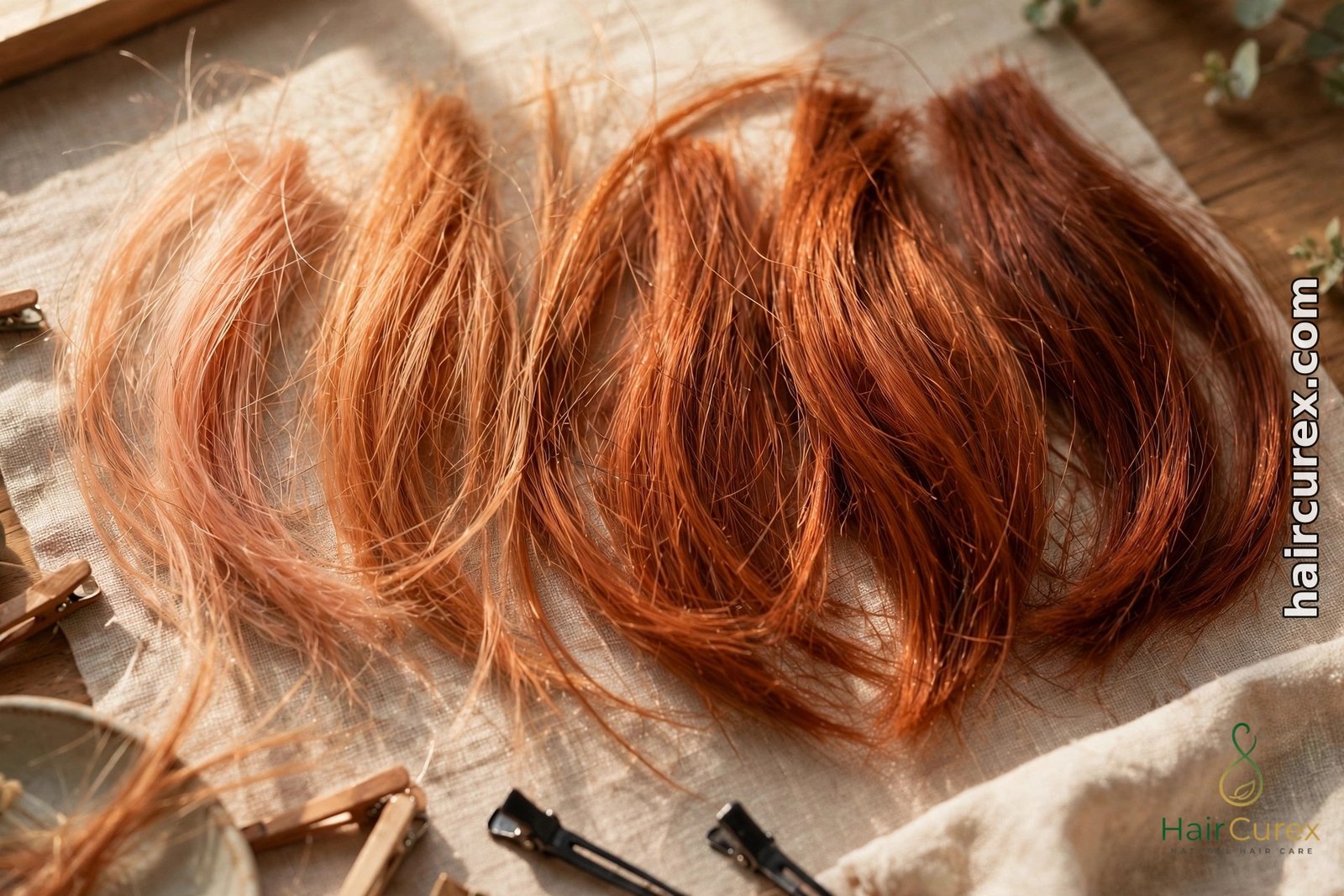
Copper is not one colour. It is a whole family of warm shades, from pale copper blonde through classic ginger to deep burnt copper and copper-brown. What unites them is the mix of pigments: red for warmth, gold for light, and brown for depth. Change the ratio and you change the shade. More gold gives you copper blonde. More red gives you true copper, the penny shade. More brown gives you copper auburn, which reads almost like a warm brunette in indoor light and glows copper in the sun.
The fading problem is real, and it has a physical cause. Red and orange dye molecules are larger than brown ones, so they cannot anchor as deeply inside the hair shaft. They sit closer to the cuticle surface, which means every wash, every hot rinse and every blast of sun lets a little more of them go. Hair.com’s copper hair color guide makes the same point: copper is a higher-maintenance colour that is more likely to fade early than other shades. That does not mean you should avoid it. It means you should go in with a plan — the right shade, the right aftercare, and a gloss or toner between appointments — instead of being surprised when the colour dulls after two weeks.
Copper also behaves differently depending on your starting hair. On light blonde or light brown hair, copper takes easily and looks bright with little or no lightening. On medium brown hair, it usually needs a gentle lift first, or it will read as a subtle warm tint rather than a clear copper. On very dark hair, bright copper needs pre-lightening, while deep copper-brown can be done with far less lift. Your colourist should always test a strand first, because how your hair lifts decides which shades are realistic for you.
The 8 Copper Shades, Explained
Copper blonde is the lightest end of the family. It is more gold than orange, soft at the root, and reads almost like a warm blonde with a copper glow. It suits fair to light-medium skin with warm or neutral undertones, and it behaves like a blonde in upkeep, which means it needs toning to stop it turning brassy.
Light copper, also called classic ginger, is the shade most people picture when they hear the word copper. It is bright in sunlight and obvious indoors too. It works best on fair to medium skin, and it needs a base of level 7 or lighter to show its true brightness.
Strawberry copper sits between blonde and red. It is soft, peachy and delicate, and it is one of the most forgiving shades for first-timers because it grows out gently. Fair skin with cool or neutral undertones wears it especially well.
Rose copper is the coolest copper. It mixes pink and muted red into the copper base, which makes it the best choice for cool undertones — pink or blue cast to the skin, blue-looking veins, silver jewellery flattering you. It is also the shade that looks most modern and least orange in photos.
True copper, the penny shade, is the most saturated member of the family. It is the most orange, the most vivid, and the fastest to fade. It needs a light base and regular glossing to stay bright, but nothing else delivers the same impact.
Cinnamon copper adds brown spice to the copper base. It is warm, rich and slightly deeper than true copper, and it suits light to medium skin with warm undertones. It is a good middle ground if true copper feels too bright for you.
Copper brown, sometimes called copper auburn, is copper with a strong brown base. It reads as a warm brunette indoors and glows copper in the sun. It is the lowest-maintenance shade in the family, because it needs the least lightening and fades the most gracefully.
Dark copper, or burnt copper, is the deepest shade. It sits at levels 3 to 5, needs the least lift, and looks striking on medium to deep skin tones. Our ginger hair guide covers the lighter end of this red family in more detail, and the same shade logic applies: depth first, undertone second.
GK Hair’s copper shade guide notes the same rule: stay within two levels of your own depth for the most natural result.
Which Copper Shade Suits Your Skin Tone?
The rule most colourists use is simple: match the copper’s undertone to your skin’s undertone, then pick the depth that gives you the contrast you want. Warm undertones — a golden or olive cast to the skin, veins that look green, gold jewellery looking right on you — sit best with golden copper, terracotta and copper-brown. Cool undertones — a pink or blue cast, veins that look blue, silver flattering you — do better with rose copper, strawberry copper and a muted ginger that has been toned down.
But undertone is only half the choice. Depth matters just as much. Fair skin can carry bright, light coppers because the contrast is flattering rather than harsh, while very bright copper on very fair skin can wash you out if the shade is too close to your skin tone — a slightly deeper copper usually fixes that. Medium and olive skin look rich with cinnamon copper, copper auburn and copper brown, and can also carry bright copper-red for extra contrast. Deep skin is badly served by most copper advice, so be specific: dark copper and copper-brown at levels 3 to 5 read beautifully on deep skin, and they do it without the pre-lightening that bright ginger would demand.
Eye colour is a useful second check. Copper with golden or amber tones makes brown and green eyes stand out. Rose copper suits blue and grey eyes. And your natural hair colour sets the practical limit: the further your target shade is from your natural depth, the more lightening, upkeep and cost it involves.
Copper Hair Color for Every Skin Tone
| Skin tone | Best copper shades | Shades to be careful with |
|---|---|---|
| Fair, warm undertone | Golden copper, copper blonde, light copper | Very dark copper can look heavy |
| Fair, cool undertone | Rose copper, strawberry copper, muted ginger | Bright true copper can clash with pink skin |
| Light to medium, warm | Cinnamon copper, golden copper, copper auburn | Copper blonde can look washed out |
| Light to medium, cool | Rose copper, strawberry copper, copper brown | Orange-heavy shades need toning down |
| Olive | Dark copper brown, cinnamon copper, copper auburn | Very pale copper blonde can look flat |
| Medium to deep | Dark copper, copper-brown, copper auburn | Bright ginger needs heavy lightening first |
| Deep | Dark copper, copper-brown | Light copper blonde rarely worth the damage |
Copper vs Ginger vs Auburn: What Is the Difference?
These three words get used almost interchangeably, and that causes a lot of salon misunderstandings. Ginger is the brightest, most orange member of the family — classic light copper with a strong orange read. Auburn is deeper and browner, with red and brown in near-equal measure; it reads as a warm brunette with a red glow. Copper sits between them: warmer and more golden than auburn, deeper and more golden than ginger. When you book, bring a photo, not just a word. Show your colourist the exact shade you want, because copper means something different to every client. Our best brunette hair guide shows how much depth changes a colour family, and the same is true here: the same copper formula looks like a different colour at level 5 than at level 8.
How to Get Copper Hair Color: Salon vs At Home
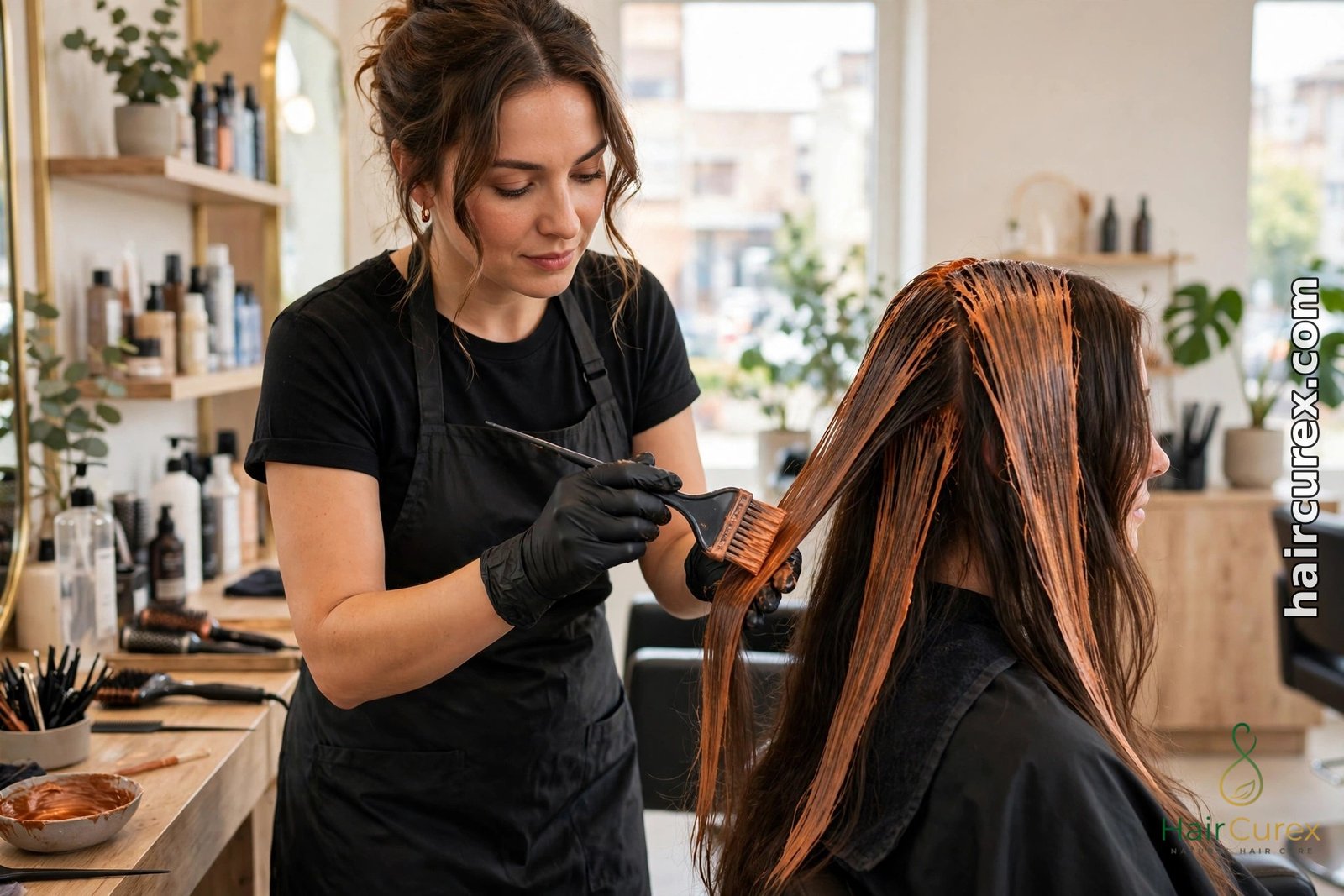
A salon is the safer choice for most people, and it is the only sensible choice if your hair is dark, previously coloured, or damaged. A colourist can lift your hair evenly, choose the right developer strength, and correct the tone if it pulls too orange or too red. Expect a first copper appointment to take two to four hours if lightening is involved, and ask for a strand test before the full application. Tell your colourist your real hair history — every box dye, every bleach, every keratin treatment — because old colour changes how new colour takes.
At-home copper dye can work if your hair is already light, virgin, and healthy, and you are going only one or two levels lighter or darker. Choose a dye made specifically for red hair, because these formulas are built to hold red pigment better. Do a patch test 48 hours before, follow the timing exactly, and do not overlap dye onto already-coloured lengths, which is the most common cause of patchy, over-dark ends. If your hair is dark, bleached, or already coloured, the at-home route is a gamble: uneven lift shows up fast in copper, and fixing it usually costs more than the salon visit would have.
Whether you go to a salon or do it yourself, a gloss or toner at the same appointment makes a real difference. A copper gloss adds shine, evens the tone, and tops up the warmth without recolouring the whole head. Many colourists recommend booking a gloss every four to six weeks between full colour appointments.
How Much Does Copper Hair Color Cost?
Prices vary a lot by city, salon and how much lightening your hair needs, so treat these as a guide rather than a quote. A single-process copper colour on hair that needs no lightening is usually the cheapest option. Add a full head of lightening or balayage and the price rises sharply, because you are paying for the colourist’s time as well as the product. A gloss or toner between appointments is usually the smallest charge on the list, and it is the best value for keeping copper bright. Ask for the full price before the appointment starts, including the gloss, the cut if you want one, and any treatment. And remember the ongoing cost: copper needs more frequent top-ups than brown, so budget for a gloss every month and a root touch-up every four to six weeks, or accept that the colour will soften into a gentler copper-brown between visits.
How to Stop Copper Hair Color Fading: 7 Rules That Work
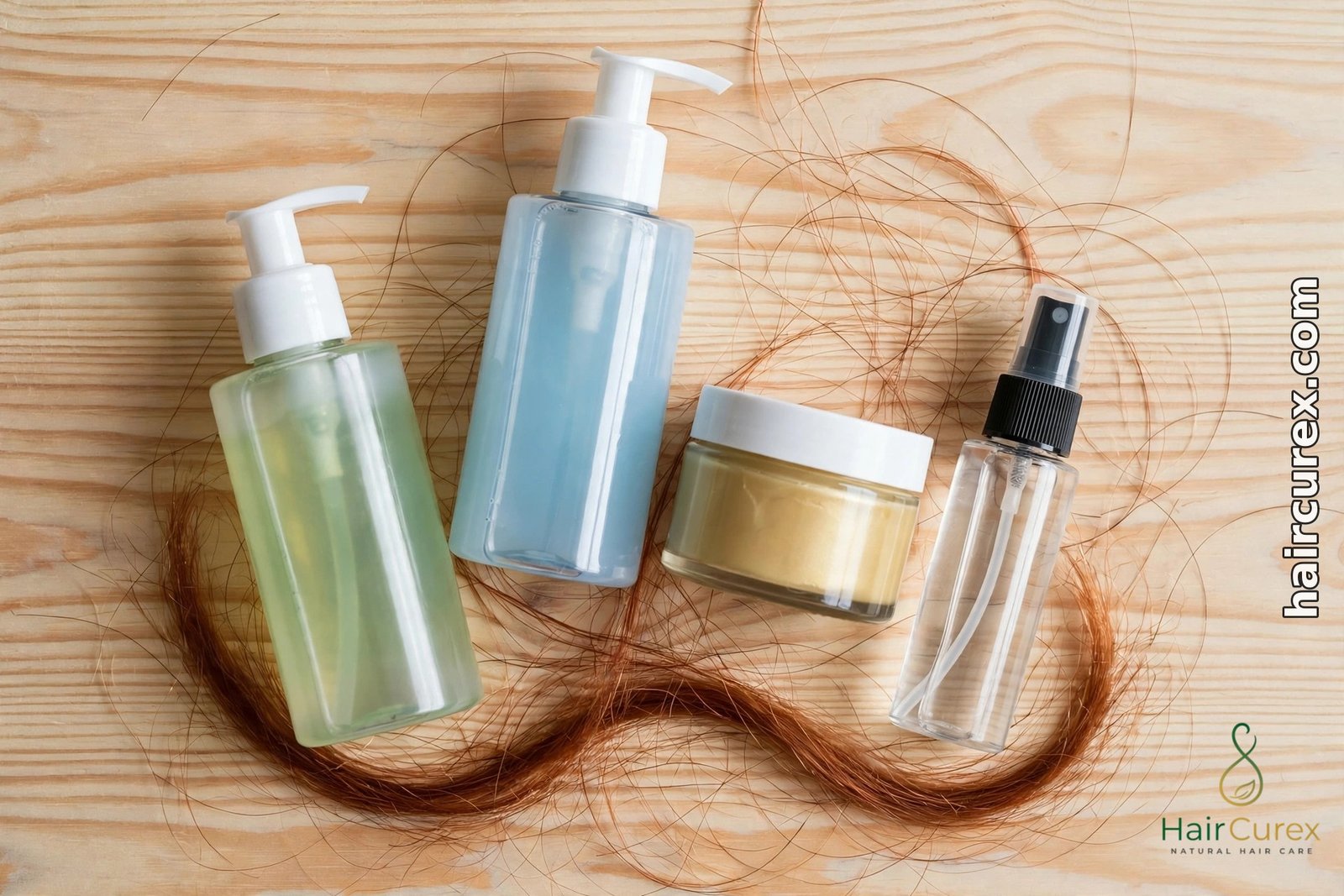
First, wash less often. The more you wash, the quicker copper fades, so aim for two to three washes a week and use dry shampoo between washes to freshen the roots. Second, wash with cool or lukewarm water only. Hot water opens the cuticle and lets colour bleed out fast, while a cool final rinse helps seal the cuticle and lock pigment in. Third, use a sulfate-free, colour-safe shampoo and conditioner. Sulfates strip colour with every lather, and a low-pH, colour-extending formula cleans without pulling pigment out. Fourth, add a copper colour-depositing shampoo or mask once a week. These products put a little copper pigment back into the hair each time you use them, which is the single easiest way to refresh a fading shade at home. Fifth, protect your hair from heat. Use a heat protectant before every hot tool, keep the temperature as low as you can, and remember that heat breaks down warm pigment faster than it breaks down brown. Sixth, protect it from the sun and chlorine. UV light fades copper quickly, so wear a hat in strong sun or use a UV-protectant spray, and wet your hair with clean water before swimming so it absorbs less chlorine. Seventh, book a gloss every four to six weeks. A gloss is the professional version of the colour-depositing mask: it tops up the warmth, adds shine, and buys you another month before a full colour appointment is needed.

The Wash-Day Routine for Copper Hair
A good routine is simple, and it starts before you even get in the shower. Brush your hair gently to remove tangles, because wet coloured hair is fragile and rough brushing causes breakage that makes colour look dull. Wash with lukewarm water and a sulfate-free colour-safe shampoo, massaging the scalp rather than scrubbing the lengths. Rinse, then apply conditioner from the mid-lengths to the ends, and leave it in for two to three minutes. Once a week, swap the conditioner for a deep-conditioning mask or a copper colour-depositing mask, and leave it on for ten minutes. Finish with a cool rinse, squeeze the water out gently with a microfibre towel or an old T-shirt, and apply a leave-in conditioner or heat protectant before you style. If your hair is porous, it will lose colour faster, and our high-porosity hair guide explains why: an open cuticle lets dye in easily but lets it out just as easily, so porous hair needs extra sealing with leave-ins and oils. The American Academy of Dermatology’s healthy hair tips also recommend gentle washing, thorough conditioning and minimal friction to protect coloured hair.
5 Mistakes That Ruin Copper Hair Color
First, washing with hot water every day. It is the fastest way to strip copper, and it undoes everything else you do right. Second, using a clarifying or anti-dandruff shampoo without checking whether it is colour-safe. Many of these are strong cleansers that pull red pigment out quickly. Third, skipping heat protectant. Heat is the second-biggest fader after hot water, and unprotected flat ironing on copper hair dulls the colour within days. Fourth, going swimming without protection. Chlorine and salt water both strip copper, and sun on wet hair fades it even faster. Fifth, waiting too long between glosses. Copper does not fade evenly — it goes dull and brassy in patches — and a gloss every month is cheaper and easier than a full recolour every two months.
Copper Hair Color on Different Hair Types
Fine hair takes copper quickly and shows it brightly, but it also fades fast, so fine-haired readers should wash least often and use the lightest colour-depositing products. Thick hair needs more product and more processing time, but it holds colour longer once the pigment is in. Curly and coily hair is naturally more porous, especially at the ends, so it absorbs copper beautifully and loses it faster — deep conditioning and sealing oils matter more here than for straight hair. Grey hair takes copper well because it has no natural pigment to fight the dye, but it can grab the colour unevenly, so a strand test matters even more. And if you are not sure which shade suits you, our AI hair color changer guide shows how to preview shades on your own photo before you commit — a free, no-damage way to test a bold copper against a softer one.
When Copper Is Not the Right Choice
Copper is not for everyone, and it is better to know that before you dye than after. If you wash your hair every day and will not change that habit, copper will frustrate you, because daily washing is the fastest route to faded copper. If your hair is badly damaged from bleach or heat, get it healthy first: damaged hair grabs copper unevenly and drops it quickly, and the result is patchy rather than glossy. If you need a very low-maintenance colour for a busy few months, copper-brown is a better choice than bright true copper, because it fades gracefully instead of going brassy. And if you are covering a very dark colour or a lot of grey, talk to a colourist first — the lift and the number of sessions needed may be more than you expect. None of this means copper is a bad idea. It means the shade and the timing should match your real routine, not your ideal one.
How Long Does Copper Hair Color Last?
On average, a salon copper colour looks its best for about three to four weeks, then softens gradually over the next two to four weeks. Bright true copper fades fastest, often noticeably within two weeks. Copper-brown and dark copper last longest, sometimes six to eight weeks before they need a full recolour. Your washing frequency, water temperature, sun exposure and hair porosity all move that number up or down. A colour-depositing mask once a week and a gloss every four to six weeks can stretch the bright phase by several weeks, which is why they are worth building into your routine from the start rather than reaching for them once the colour has already gone dull.
The Bottom Line on Copper Hair Color
Copper hair color is one of the warmest, most flattering colours you can choose — and one of the highest-maintenance. Pick your shade by undertone first and depth second, using the table above as your starting point. Go to a salon if your hair is dark, damaged or previously coloured, and bring a photo of the exact shade you want. Then protect the colour like it matters, because it does: wash two to three times a week, use cool water and a sulfate-free colour-safe shampoo, add a copper-depositing mask weekly, protect against heat and sun, and book a gloss every four to six weeks. Do that, and your copper stays bright, glossy and true to the shade you fell in love with — instead of fading into a brassy shadow of itself within a fortnight.
Frequently Asked Questions About Copper Hair Color
Does copper hair color suit every skin tone?
Yes, when the shade is matched to your skin. Golden and terracotta coppers suit warm undertones, rose and strawberry coppers suit cool undertones, and deep copper-brown suits medium to deep skin without heavy lightening. A trained colourist can adjust the depth and tone for any skin tone.
Why does copper hair color fade so fast?
Red dye molecules are larger than brown ones, so they sit closer to the surface of the hair and rinse out sooner. Hot water, frequent washing, sulfates, heat styling, sun and chlorine all speed up fading. Cool water, sulfate-free products and regular glossing slow it down.
How can I stop my copper hair color from fading?
Wash two to three times a week with cool or lukewarm water, use a sulfate-free colour-safe shampoo, add a copper colour-depositing mask once a week, always use heat protectant, protect your hair from sun and chlorine, and book a gloss every four to six weeks.
How long does copper hair color last?
Bright true copper looks its best for about three to four weeks and fades noticeably after two. Copper-brown and dark copper last longer, often six to eight weeks before a full recolour is needed. A weekly colour-depositing mask and a monthly gloss stretch the bright phase.
Can I dye my hair copper at home?
Yes, if your hair is already light, virgin and healthy and you are only going one or two levels lighter or darker. Choose a dye made for red hair and do a patch test 48 hours before. If your hair is dark, bleached or already coloured, a salon gives a far more even result.
What is the difference between copper, ginger and auburn hair?
Ginger is the brightest and most orange, auburn is deeper and browner with a red glow, and copper sits between them — warmer and more golden than auburn, deeper and more golden than ginger. Bring a photo to your colourist, because the words mean different things to different people.