

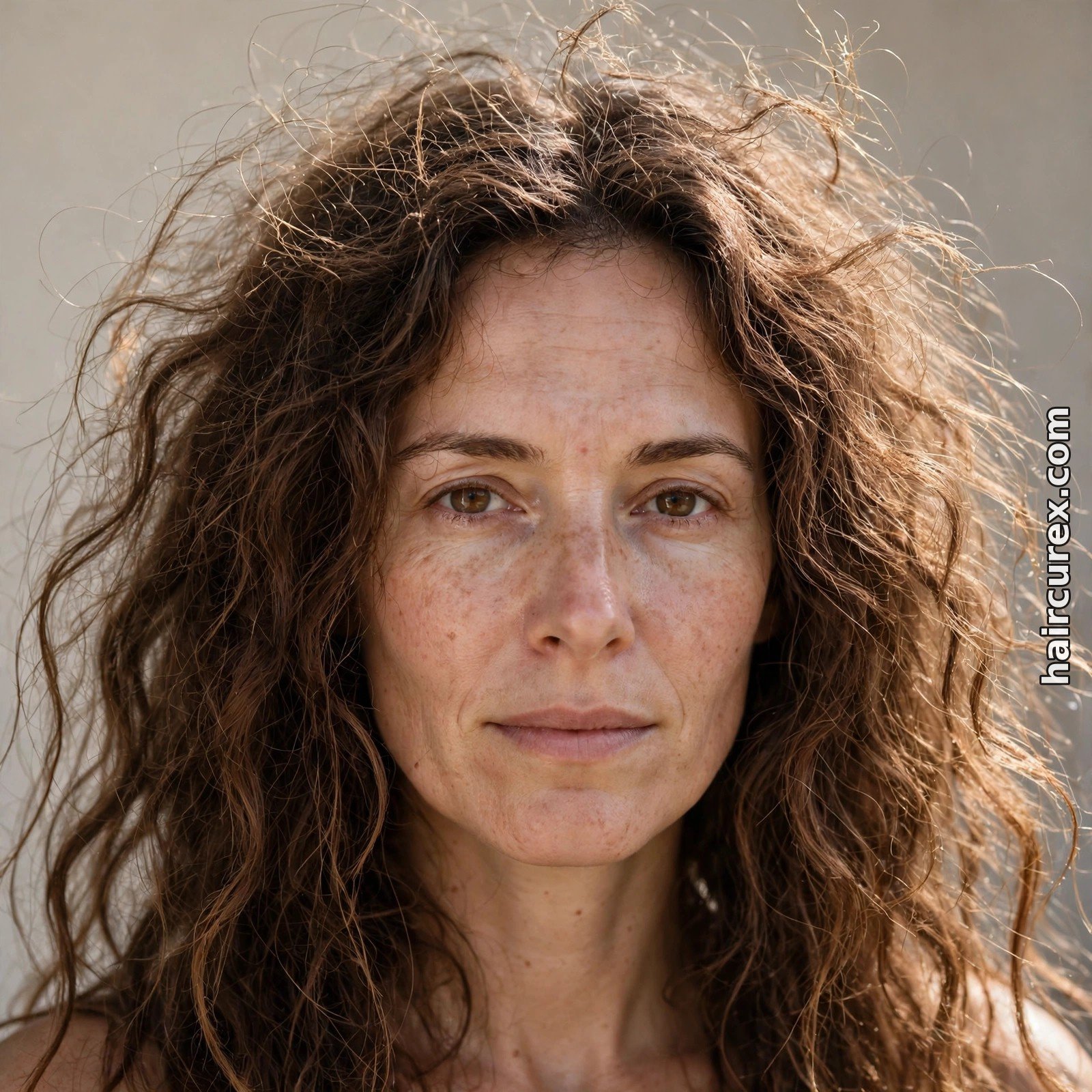
Quick answer: High porosity hair absorbs water and products very quickly, but it loses moisture just as fast, which is why it often feels dry, frizzy, and fragile soon after washing. The cause is usually a lifted or damaged cuticle — the outer layer of each strand — and the fix is not one miracle product, but a consistent routine: gentle washing, regular conditioning, a leave-in and a light seal, occasional protein in moderation, and less heat and chemical damage going forward.
If your hair drinks up conditioner in seconds, dries in what feels like minutes, and still feels rough by the afternoon, porosity may explain more than your hair type alone does. Porosity is not a hair type or a curl pattern. It describes how open the cuticle is, and therefore how easily moisture moves in and out of the strand. Understanding it can save you from buying product after product, because the same rich cream that helps one person can leave another person weighed down or still dry.
This guide explains the signs honestly and gives you a practical routine you can keep up. It does not promise to repair the hair shaft permanently: once the cuticle is chipped, no conditioner can rebuild it exactly as it was. Good care can smooth the surface, reduce breakage, hold moisture longer, and protect new growth.
What Is High Porosity Hair?
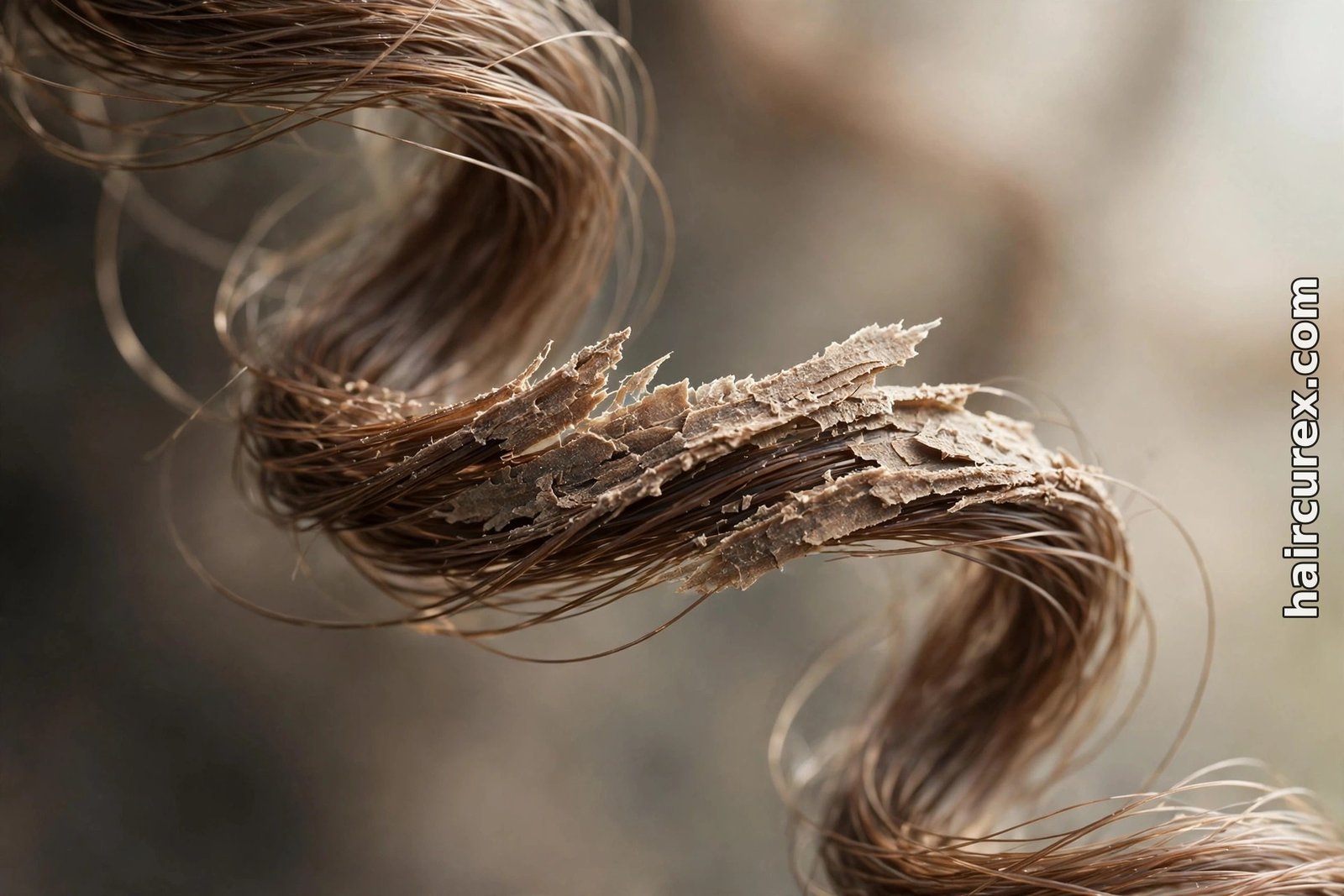
Each strand has an outer layer called the cuticle, made of small, overlapping cells that lie flat like roof tiles when hair is in good condition. Underneath is the cortex, which gives hair its strength and holds its colour. In high porosity hair, those cuticle tiles are lifted, cracked, or missing in places, leaving gaps. Water, conditioner, and colour can rush in through those gaps, but they can escape just as easily, because there is no smooth seal to hold them in.
That is why the experience feels contradictory. Your hair may get soaking wet the moment water touches it, yet feel dry again soon after. It may absorb a whole handful of product without looking moisturised. It may frizz in humidity, because the open cuticle takes in water vapour from the air and swells unevenly. It may also tangle more, because a rough surface catches on neighbouring strands, and break more easily when you brush, towel-dry, or style it.
Porosity exists on a spectrum. You can have different levels on different parts of your head, and even along a single strand: newer, smoother roots and older, more weathered ends. Curly and coily hair can be naturally more prone to dryness, because bends create weak points, but straight hair can become porous too after chemical or heat damage.
Signs of High Porosity Hair
No single sign proves porosity on its own, and at-home tests can mislead. Product build-up, hard water, oil, or a recent treatment can all change how a strand behaves in a glass of water. Look instead for a pattern over several washes. If several signs below sound familiar week after week, a porous cuticle is a likely part of the picture.
- It gets wet almost instantly. Water does not bead on the surface; it soaks straight in.
- It dries unusually fast. Hair wet one moment can feel dry and puffy soon after, especially without a leave-in or seal.
- It feels dry soon after moisturising. Creams and oils seem to disappear, and softness does not last until the next wash.
- It frizzes easily in humidity. The open cuticle takes in moisture from the air, and the strand swells and lifts.
- It tangles and feels rough. A raised cuticle creates friction, so strands catch on each other and on combs.
- It breaks and splits more readily. Ends split, small pieces snap during detangling, and styles do not hold as well.
- Colour fades faster. Dye can enter easily, but it can also wash out more quickly through the same gaps.
- It looks dull rather than shiny. A smooth, flat cuticle reflects light; a rough one scatters it.
What Causes High Porosity Hair?
Porosity can be partly natural. Genetics, curl pattern, and hair thickness all influence the cuticle, and some people simply have a more open cuticle from the start. For many people, though, porosity increases over time as damage accumulates, and that part you can at least partly control.
Chemical treatments are the biggest single contributor for many people. Bleaching, permanent colour, relaxers, and perms all work by opening the cuticle to reach the cortex, and repeated treatments can leave it lifted or thinned. One careful colour appointment may cause only modest change, but frequent lightening, overlapping colour on already-treated lengths, or combining chemical services close together adds up quickly.
Heat styling is the second major cause. Flat irons, curling irons, and high-heat blow-drying can dry out the strand, roughen the surface, and weaken keratin, the protein hair is made of. The risk rises when heat is used on already chemically treated hair, when the same section is passed over repeatedly, or when no heat protectant is used. The American Academy of Dermatology advises limiting heat tools, using low or medium settings, and using a heat-protectant product when you do style with heat.
Sun, chlorine, and pollution also weather the cuticle, while mechanical damage — rough towel-drying, aggressive wet brushing, tight hairstyles, and friction from cotton pillowcases — wears it down strand by strand. If colour and heat continue at the same pace, no deep conditioner will keep up.
How to Test Your Hair Porosity at Home
At-home tests are best treated as rough clues, not verdicts. The well-known float test — dropping a clean strand into a glass of water and watching whether it sinks quickly — is popular online, but oils, products, and even the strand you happen to pick can change the result. A strand from the crown may behave differently from one at the nape, and ends usually behave differently from roots. For a fuller explanation of the tests and their limits, see our hair porosity test guide.
A more reliable approach is the pattern test from the signs section above: over two or three washes, note how fast your hair gets wet, how fast it dries, how long softness lasts, and how much it tangles or breaks. For comparison, read about the opposite end of the spectrum in our guide to low porosity hair, where the cuticle lies flat and products tend to sit on the surface instead of soaking in. Many people sit somewhere in the middle, or find their ends are porous while their roots are not. That mixed picture is normal, and it is a good reason to treat your ends more generously than your roots.
High Porosity Hair: Signs, What They Mean, and What Helps
| Sign you notice | What it usually means | What to do first |
|---|---|---|
| Dries very fast, dry by afternoon | Moisture escapes through gaps in the cuticle | Leave-in plus a light oil or cream seal on damp hair |
| Frizz in humidity | Open cuticle absorbs water vapour unevenly | Smoothing, sealing styler; avoid heavy humectants on very humid days |
| Tangles and rough texture | Raised cuticle creates friction between strands | Detangle gently with conditioner in, ends first, wide-tooth comb |
| Split ends and snapping | Weakened, weathered lengths | Regular small trims; less heat and fewer overlapping chemical treatments |
| Colour fades quickly | Dye escapes through the same gaps it entered | Gentle washing, cooler water, longer gaps between services |
| Products seem to vanish | Absorption is fast, retention is poor | Layer in order — water, leave-in, cream, then seal — instead of adding more of one product |
Use the table as a starting point. If one row describes you clearly, start there and give the change two or three washes before judging it; changing five products at once makes it impossible to tell what helped.
A Care Routine for High Porosity Hair That Works
The goal is simple: get moisture in, keep it in, smooth the surface, and stop adding damage. Order matters more than brand, and a light routine done every wash beats an intense treatment done once a month.
Step 1: Wash gently, and wash the scalp first
Use a mild, gentle shampoo, focused on the scalp, where oil and build-up collect, and let the suds run down the lengths as you rinse rather than scrubbing the ends. Many people with porous, dry hair do well washing two or three times a week, with lukewarm rather than very hot water. For a fuller walkthrough, see our hair washing guide. Use clarifying shampoo sparingly, perhaps once a month, and always follow it with a deep conditioner.

Step 2: Condition every time, and deep condition regularly
Apply conditioner from the mid-lengths to the ends, where hair is oldest and most damaged, and work it through with your fingers or a wide-tooth comb for the label time. A deep conditioner or mask once a week, or once every two weeks for finer hair, adds extra softness, especially after colour or heat. Do not leave a mask on overnight unless the label says to; over-conditioning can leave hair limp. Hair should feel soft and easy to detangle, not heavy or coated.
Step 3: Layer moisture in the right order on damp hair
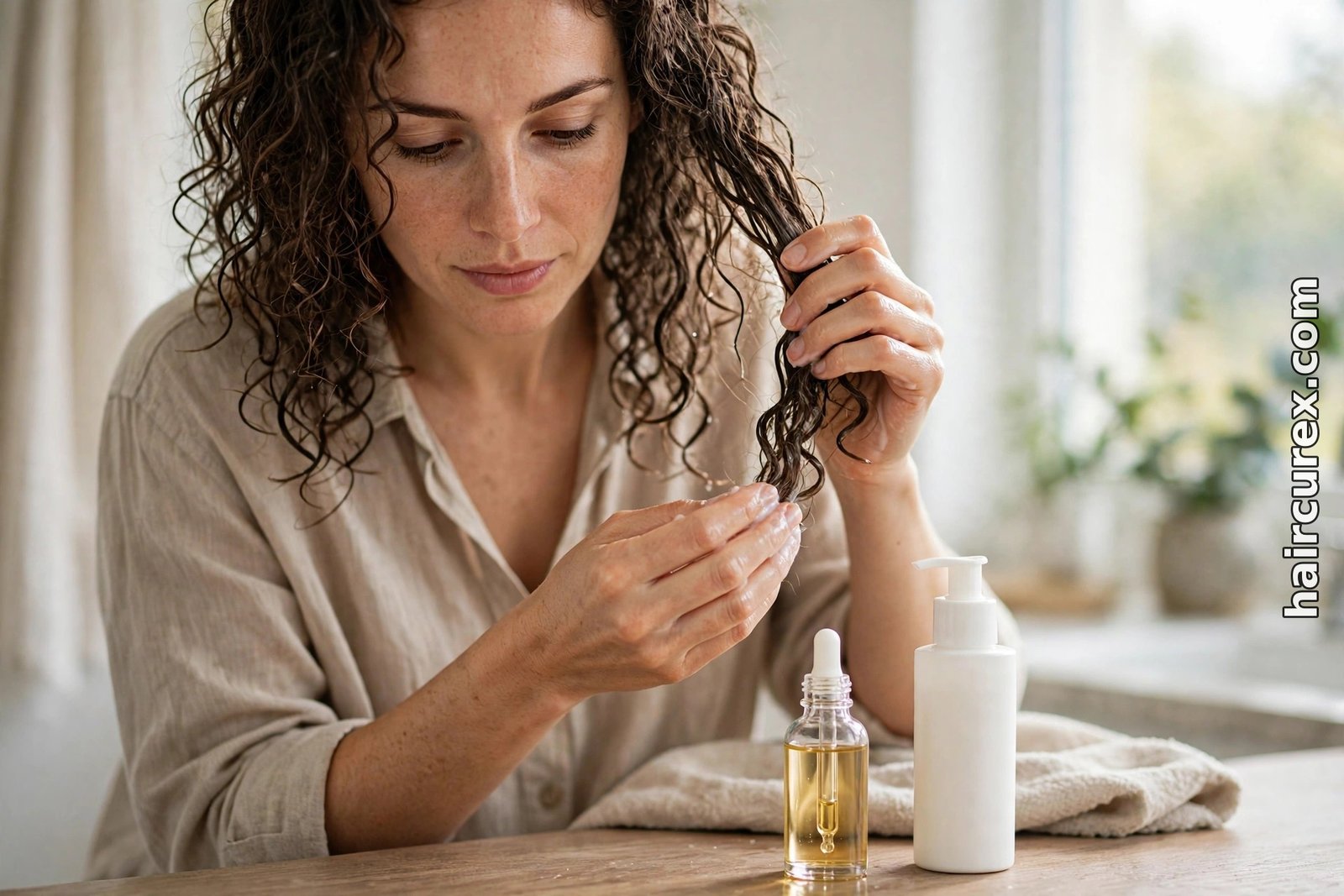
Apply products to damp, not dripping or fully dry, hair, when products can spread evenly. A common order is leave-in conditioner, then cream, then a small amount of oil to seal — often called the LOC or LCO method. The exact order matters less than the principle: water-based moisture first, then something that helps hold it in.
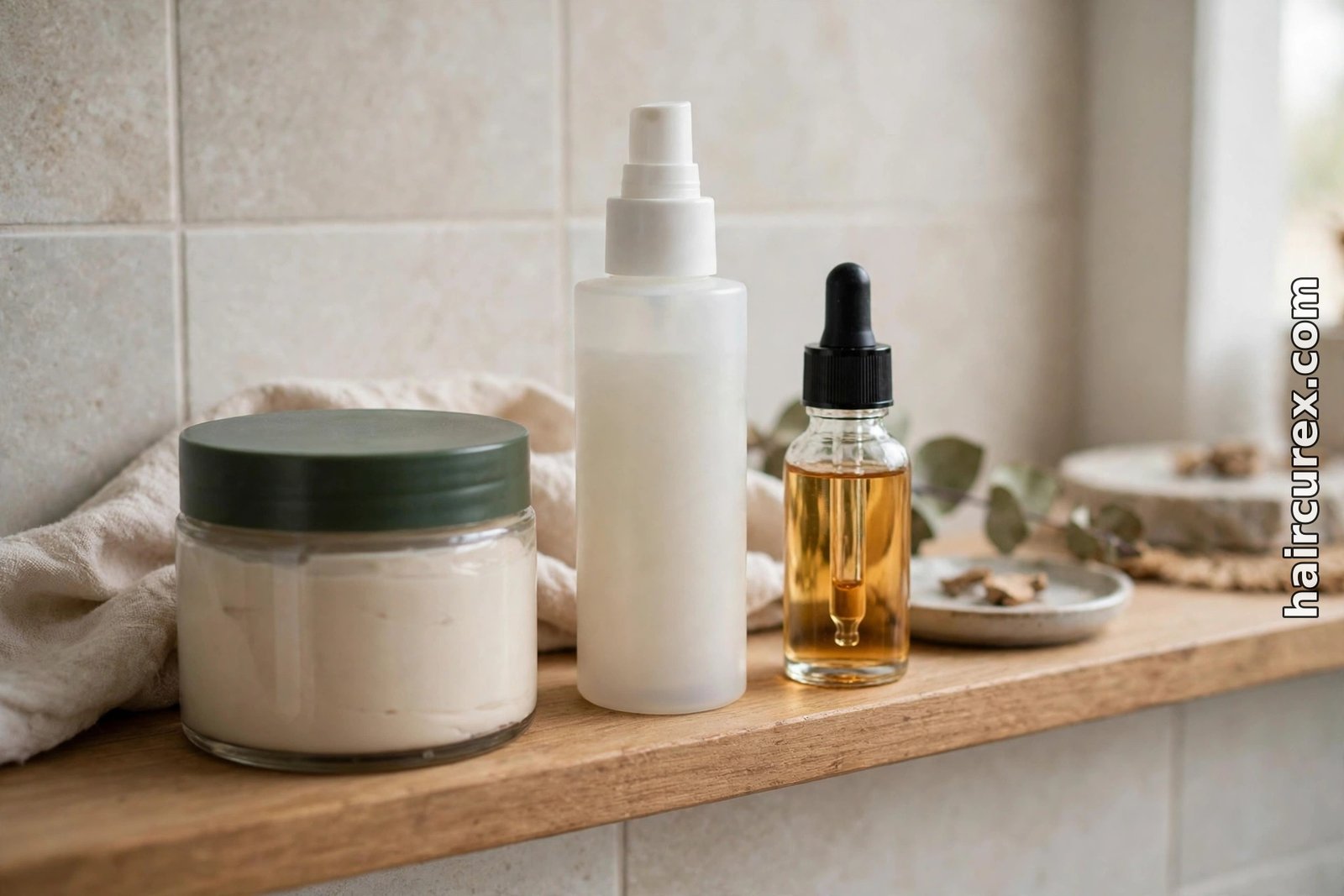
Start with less than you think you need: too much cream or oil leads to build-up and limp curls or waves. Fine hair usually needs lighter creams and a very light oil; thick or coily hair can handle richer creams and a heavier seal. For curls and waves, apply leave-in and styler with smoothing, downward motions, and let hair dry without too much touching. Our curly hair routine covers drying and second-day care, and our best curl creams round-up can help you compare textures.
Step 4: Use protein in moderation, not as a cure-all
Protein treatments are often recommended for porous hair, and there is a sensible reason: hydrolysed proteins and amino acids can temporarily fill gaps in the cuticle, smooth the surface, and make hair feel stronger and less prone to snapping. WebMD notes that protein can help fill damaged areas of the cuticle and create a protective coat over the shaft. That benefit is temporary and easy to overdo.
Too much protein, or protein used too often, can leave hair feeling stiff, dry, and brittle. A practical rhythm is a light protein conditioner or mask every two to four weeks, balanced with regular moisturising conditioning in between. If your hair starts to feel straw-like after a protein treatment, pause protein and return to moisture for a few washes. Fine hair and hair that has not been chemically treated usually need protein less often than heavily bleached hair.
Step 5: Seal, protect, and handle gently between washes
Finish your damp-hair routine with a thin seal — a few drops of oil on the ends, or a sealing cream — to slow moisture loss. Reapply a tiny amount between washes if the ends feel dry, and reduce friction at night with a satin pillowcase, loose braid, or satin bonnet.

Detangle with conditioner or leave-in in, from the ends upward, using a wide-tooth comb or your fingers rather than a fine brush on wet hair. Trim every eight to twelve weeks, or sooner if splits travel upward, to stop the worst damage spreading.
Ingredients That Help, and Ones to Use With Care
- Moisturising conditioners: Conditioning ingredients cling to damaged areas, reduce friction, and make detangling easier. Fatty alcohols such as cetyl and stearyl alcohol are conditioning, not drying.
- Film-formers and silicones: These coat the strand, smooth the cuticle, reduce frizz, and slow moisture loss. If you use silicones, clarify occasionally and watch for coated, dull hair.
- Emollients and oils: Argan, avocado, and jojoba oils soften hair and help seal in moisture, especially when used after a water-based leave-in. The ends need them more than the roots.
- Humectants: Glycerin and panthenol draw water toward the hair. They can help in moderate humidity, but in very humid weather they can increase frizz, and in very dry weather they may have little moisture in the air to draw from.
- Proteins and amino acids: Useful in moderation for temporarily strengthening the cuticle and reducing breakage, as described above.
A Sample Weekly Routine
- Wash day (2–3 times a week): Gentle shampoo on the scalp, conditioner on the lengths, leave-in on damp hair, cream, then a light seal on the ends. Use heat protectant if you use heat.
- Deep condition (once a week): Swap regular conditioner for a mask, leave it on for the label time, rinse, and follow with leave-in and seal as normal.
- Between washes: Refresh the ends only if needed, re-seal with a drop of oil, and protect hair at night.
- Monthly: Clarify if you notice build-up, check ends for splits, and review whether protein is due or moisture alone has been enough.
- Every few months: Space out colour or chemical services, and avoid re-treating lengths that are already processed if a root touch-up will do.
Common Mistakes That Make Porous Hair Worse
Skipping conditioner backfires: clarify once, then condition properly. Using too much product at once leaves a coated, limp result — layer in order instead. Brushing dry, tangled hair aggressively snaps strands; detangle with slip, from the ends up. Overdoing protein leaves hair stiff; moisture is still the foundation. Expecting one product to fix damage disappoints, because masks and oils improve feel but do not rebuild a chipped cuticle. Ignoring the scalp also matters: wash often enough to prevent itching or build-up.
When to See a Dermatologist
See a dermatologist promptly for sudden or patchy hair loss, a bald patch, scalp pain, sores, crusting, or severe itching, or if breakage worsens rapidly despite gentle care. Bring a short note of what changed recently — new colour, medication, illness, or styling — because that history often helps more than a list of products.
Frequently Asked Questions
Can high porosity hair be fixed permanently?
No. Once the cuticle is lifted or chipped, cosmetic products cannot rebuild it exactly as it was. They can smooth the surface, reduce breakage, and help hair hold moisture for longer, and trims remove the most damaged ends, but lasting improvement comes from protecting new growth and preventing further damage.
Is high porosity hair always damaged hair?
Not always. Some people naturally have a more open cuticle, and curly or coily textures can be more prone to dryness and breakage. In many cases, though, porosity increases with bleaching, colour, heat, sun, and friction, so it is often a mix of natural tendency and accumulated damage.
How often should I wash high porosity hair?
Most people do well washing two or three times a week, focusing shampoo on the scalp and conditioning the lengths every time. Wash more often if your scalp gets oily, sweaty, or itchy, and less often if your lengths dry out very quickly — but not so rarely that the scalp becomes irritated or flaky.
Should I use protein treatments for high porosity hair?
Protein can help in moderation, typically a light protein conditioner or mask every two to four weeks, balanced with moisturising conditioning. If hair starts to feel stiff, dry, or straw-like after protein, pause it and return to moisture for a few washes before trying again less often.
What is the best routine for high porosity hair?
A simple, consistent routine works best: gentle shampoo on the scalp, conditioner on the lengths, a leave-in on damp hair, a cream, and a light oil seal on the ends, plus a weekly deep conditioner, gentle detangling, heat protection when you style with heat, and regular trims.
Does high porosity hair need oil?
Oil alone does not moisturise hair, because hair needs water first, but a small amount of oil after a leave-in or cream can help seal moisture in and reduce frizz. Use a few drops on the ends rather than coating the whole head, and choose a lighter oil if your hair is fine.
Why does my high porosity hair frizz in humidity?
The open cuticle absorbs water vapour from humid air unevenly, causing strands to swell, lift, and lose definition. A smoothing, sealing styler, minimal touching while hair dries, and avoiding heavy humectant products on very humid days can reduce frizz, though it may not remove it completely.
Sources for general care principles in this article include dermatologist guidance from the American Academy of Dermatology on healthy hair care and its curly hair tips from dermatologists, and WebMD’s medically reviewed guide to high porosity hair.