

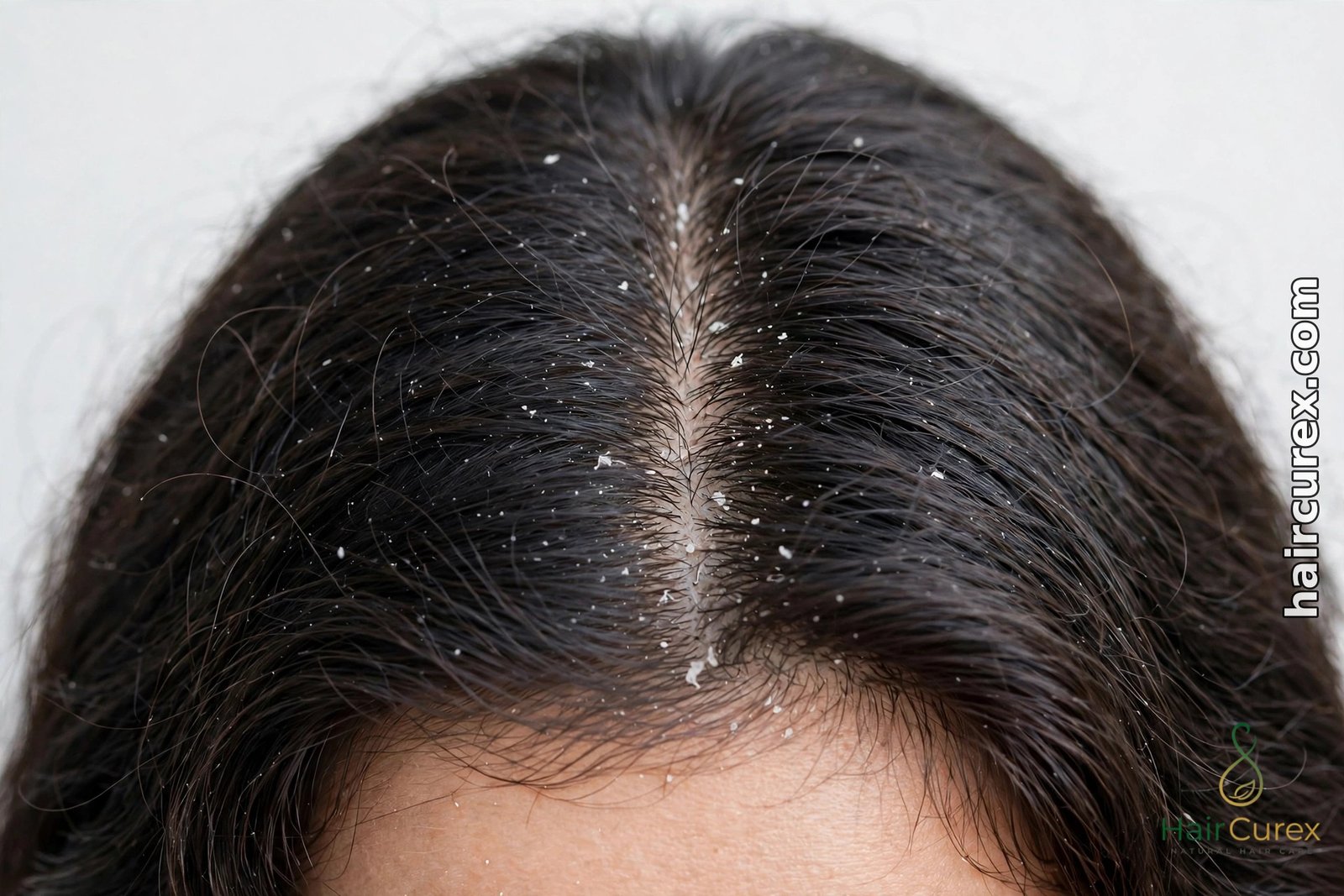
If you have ever looked in the mirror, brushed your hair, and found white flakes on your scalp, shoulders, or dark clothes, you know how frustrating it can be. The first question most people ask is simple: Is this dandruff or just a dry scalp?
You are not alone. Dandruff affects about half of adults at some point, and dry scalp is just as common in winter, in dry climates, and after using harsh shampoos. The two look very similar, but they have different causes — and they need different fixes. Using the wrong treatment can make the problem worse, which is why telling them apart matters.
In this dandruff vs dry scalp guide, you will learn the key differences, how to test which one you have at home, what actually helps each one, and when it is time to see a dermatologist.
Quick Answer: Dandruff vs Dry Scalp in 30 Seconds
Dandruff is caused by excess oil and a yeast called Malassezia that lives on the scalp. It produces larger, yellowish, oily flakes that stick to the scalp, plus redness and itching. Dry scalp is caused by a lack of moisture in the skin. It produces small, white, dry flakes that fall easily, often with dry skin on other parts of the body. If your flakes are large and oily and your scalp feels greasy, it is probably dandruff. If your flakes are small and dry and your skin feels tight, it is probably a dry scalp. That is the short version of dandruff vs dry scalp — the five tests below will confirm which one you have.
Dandruff vs Dry Scalp: The Comparison Table
| Feature | Dandruff | Dry Scalp |
|---|---|---|
| Main cause | Excess oil and Malassezia yeast | Lack of moisture in the skin |
| Flake size | Larger, thicker flakes | Smaller, fine flakes |
| Flake colour | White or yellowish | White |
| Flake texture | Oily, sticky | Dry, powdery |
| Itching | Often strong | Mild to moderate |
| Scalp feel | Oily, greasy | Tight, dry |
| Redness | Common | Rare |
| Other skin | Oily skin, especially on the face | Dry skin on the body |
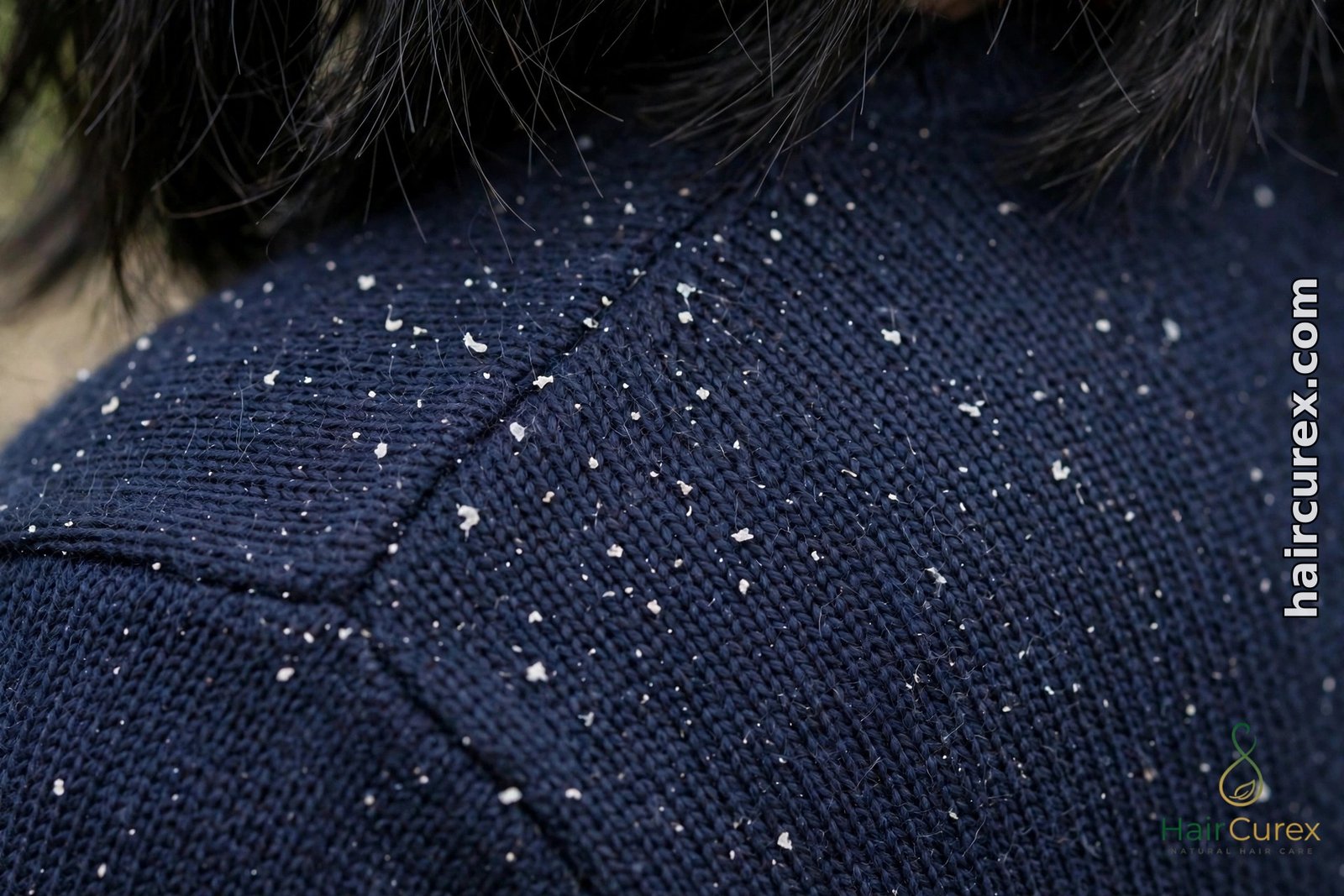
How to Tell the Difference: 5 Simple Tests
You do not need a doctor to make a first guess about dandruff vs dry scalp. Try these five checks at home, and see which column matches you best.
1. Look at the flakes
Dandruff flakes are larger, thicker, and yellowish or white with a slightly oily feel. They often cling to the scalp and hair. Dry scalp flakes are smaller, thinner, and powdery white. They fall off easily when you shake your hair or brush it.
2. Check how much it itches
Dandruff usually itches a lot, and scratching often makes the redness and flaking worse. A dry scalp may itch too, but the itch is usually milder and comes and goes with dry weather or after washing.
3. Feel your scalp and hair
Run your fingers over your scalp. With dandruff, the scalp often feels oily and greasy, and the hair can look limp or clump together. With a dry scalp, the scalp feels tight and dry, and the hair may look dull and feel rough.
4. Check the rest of your skin
Dry scalp rarely happens alone. If you also have dry skin on your face, arms, or legs, especially in winter, dry scalp is more likely. Dandruff is more common when the skin on the face, especially around the nose, eyebrows, and behind the ears, is also oily or flaky.
5. Try the shampoo test
Wash with a gentle shampoo and see what happens over the next two days. If the flakes get worse or come back quickly, and your scalp still feels oily, dandruff is likely. If a gentle shampoo and a light scalp moisturiser calm the flakes within a few washes, a dry scalp is more likely. If you are still unsure after these tests, the safest step is to try an anti-dandruff shampoo for two to three weeks and watch the result — most dandruff improves in that time, while a dry scalp will not. This simple test is one of the easiest ways to tell dandruff vs dry scalp apart.
What Is Dandruff?
Dandruff is a common scalp condition, not a sign of poor hygiene. It happens when the scalp sheds skin cells faster than normal. The main cause is Malassezia, a yeast that lives on everyone’s scalp. In some people, the immune system overreacts to it, and the scalp produces extra oil and sheds more skin cells. The result is visible flakes, itching, and redness.
Dandruff often gets worse in winter, with stress, or when you wash your hair less often. It can also be linked to seborrheic dermatitis, a more severe form that causes red, greasy patches on the scalp, face, and chest. The Mayo Clinic explains that dandruff is usually easy to control with regular use of an anti-dandruff shampoo, but it can come back if treatment stops. That oil-and-yeast pattern is the key difference in dandruff vs dry scalp.
What Is Dry Scalp?
A dry scalp is simply skin that lacks moisture. It can happen for many reasons: cold, dry air, hot showers, harsh shampoos, over-washing, and skin conditions such as eczema. When the scalp is dry, it feels tight and itchy, and small white flakes fall from the hair. That lack of moisture is the other side of dandruff vs dry scalp.
Dry scalp is common in people with curly hair, because natural oils travel more slowly down curly strands. If you have curly hair, our guide to dry scalp with curly hair explains how to keep the scalp moisturised without weighing curls down. A gentle shampoo and less frequent washing also help. Knowing whether you have dandruff vs dry scalp changes which shampoo you should buy.
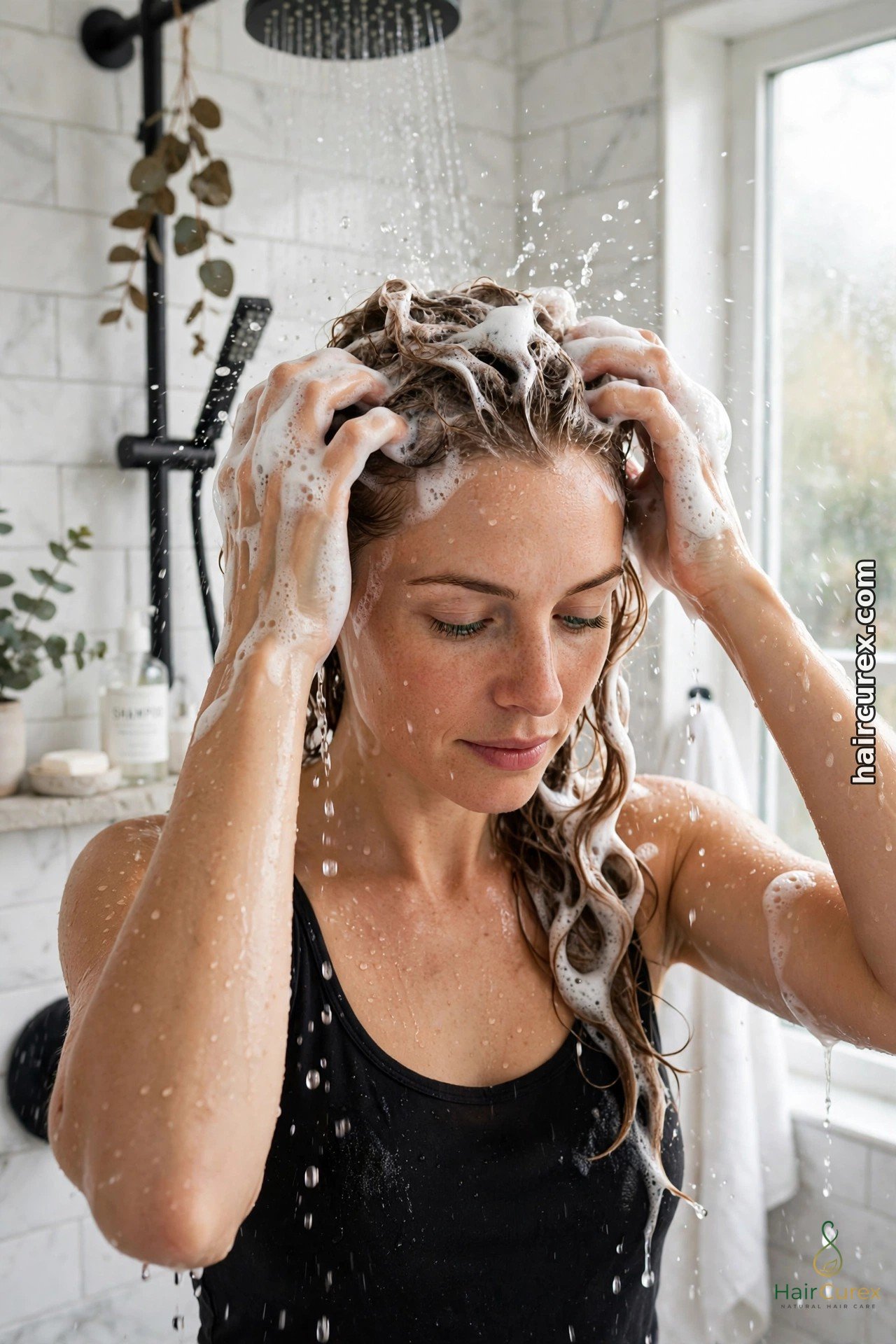
How to Treat Dandruff (What Actually Helps)
For dandruff vs dry scalp, the treatments are different: dandruff needs an anti-fungal treatment, not just moisturiser. The aim is to control the yeast and reduce oil on the scalp.
- Use an anti-dandruff shampoo 2–3 times a week. Choose one with an active ingredient such as zinc pyrithione, selenium sulfide, or ketoconazole. Massage it into the scalp, leave it on for 3–5 minutes, then rinse. The American Academy of Dermatology recommends leaving medicated shampoo on the scalp for at least five minutes before rinsing, so the active ingredient has time to work.
- Rotate shampoos if one stops working. If one active ingredient stops helping, switch to another for a few weeks. Many people find that rotating between two anti-dandruff shampoos keeps flakes under control.
- Use lukewarm water. Hot water strips oil and can irritate the scalp. Wash with lukewarm water and rinse well, so no shampoo residue is left on the scalp.
- Wash regularly, but do not over-wash. Washing 2–3 times a week is enough for most people. Washing every day can dry the scalp, while washing too rarely lets oil and flakes build up. The NHS advises washing your hair regularly with an anti-dandruff shampoo and leaving it on for at least five minutes.
- Do not scratch. Scratching breaks the skin and can lead to infection. If the itch is strong, use a cool rinse or a soothing scalp treatment instead. Scratching makes both dandruff vs dry scalp worse, so keep your nails off your scalp.
If flakes improve after 2–3 weeks of regular use, keep using the shampoo once a week to prevent them coming back. If there is no improvement after four weeks, try a different active ingredient or see a dermatologist. Keep notes on what works, so you can tell dandruff vs dry scalp apart next time.

How to Treat a Dry Scalp (What Actually Helps)
On the dry scalp side of dandruff vs dry scalp, the scalp needs moisture, not anti-fungal shampoo. In fact, a strong anti-dandruff shampoo can make a dry scalp worse, because it strips away the little oil the scalp has.
- Switch to a gentle, moisturising shampoo. Choose a sulfate-free, fragrance-free shampoo and wash less often — two or three times a week is usually enough. Our guide to the best shampoo for hair fall and dandruff can help you compare gentle options, but for a truly dry scalp, a simple moisturising shampoo is often the best choice.
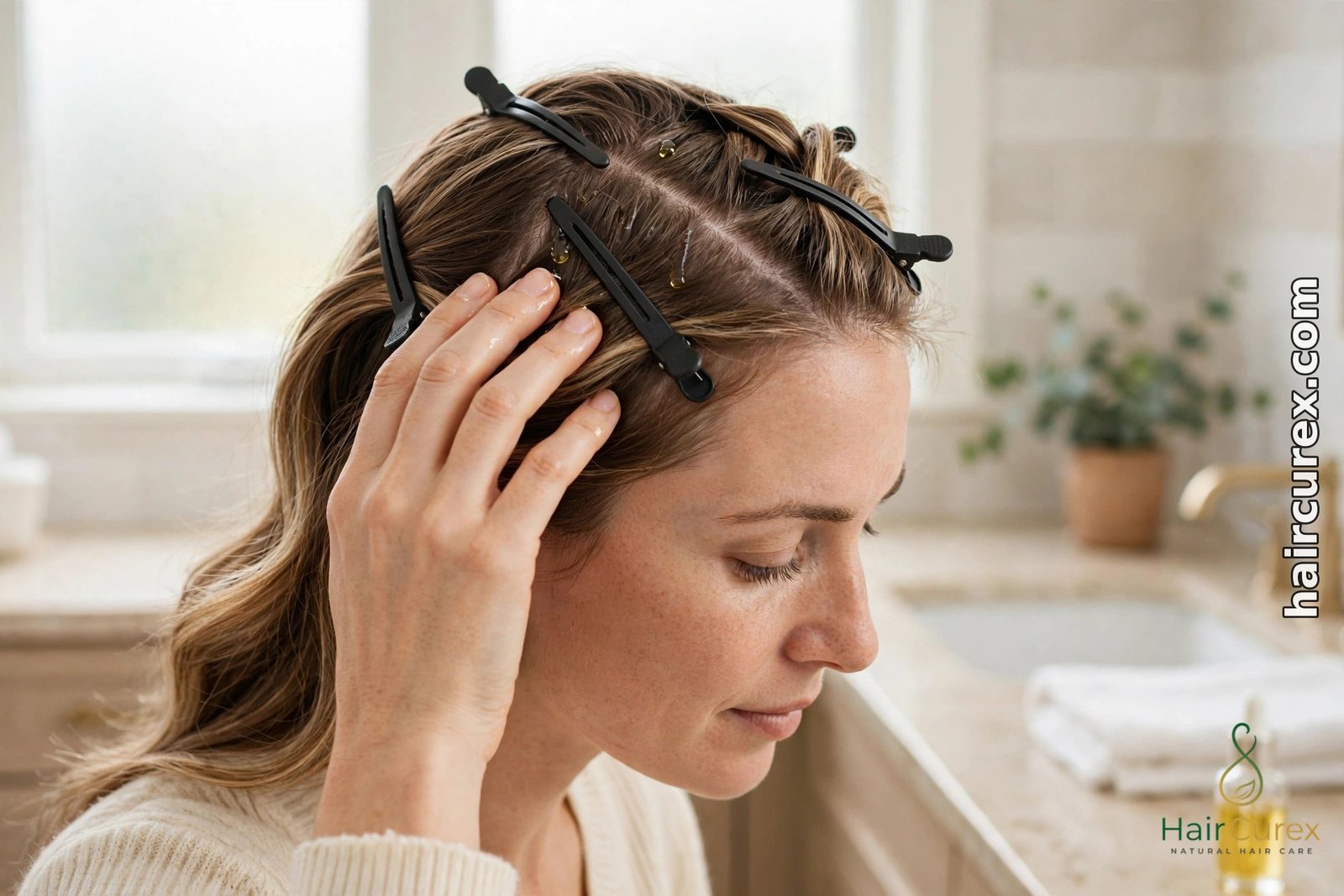
- Add moisture back. After washing, use a light conditioner on the lengths of your hair, and once a week, massage a few drops of oil into the scalp. Leave it on for 30 minutes before washing, or overnight if your hair is very dry.
- Avoid hot water and harsh styling. Hot showers, heated tools, and strong styling products all dry the scalp. Use lukewarm water, limit heat, and let your hair dry naturally when you can.
- Do not over-wash. Every wash removes natural oils. If you wash daily, try washing every other day and see if your scalp feels more comfortable. Our hair washing guide explains how often to wash for your hair type.
- Protect your scalp in winter. Cold air and indoor heating dry the skin. Wear a hat outdoors, use a humidifier indoors, and drink enough water.
Most dry scalps improve within one to two weeks of gentler washing and added moisture. If yours does not, revisit the dandruff vs dry scalp tests above before switching treatments.
Mistakes That Make Both Worse
Whether your issue is dandruff vs dry scalp, these habits make flaking and itching worse:
- Using very hot water to wash your hair.
- Scratching your scalp with your nails.
- Using harsh shampoos with strong sulfates and fragrances.
- Skipping conditioner, or applying heavy oils to an oily, dandruff-prone scalp.
- Stopping anti-dandruff shampoo as soon as flakes improve, instead of using it once a week for maintenance.
- Treating dandruff vs dry scalp with the same shampoo and expecting the same result.
When to See a Dermatologist
See a dermatologist if you notice any of the following:
- Flakes do not improve after four weeks of anti-dandruff shampoo.
- The scalp is very red, swollen, or painful, or there are thick, yellow crusts.
- You notice hair loss, patches of baldness, or sores that do not heal.
- Flakes spread to your face, eyebrows, ears, or chest.
- Over-the-counter treatments make the itching or redness worse.
- You cannot tell whether you have dandruff vs dry scalp and home treatments have not helped.
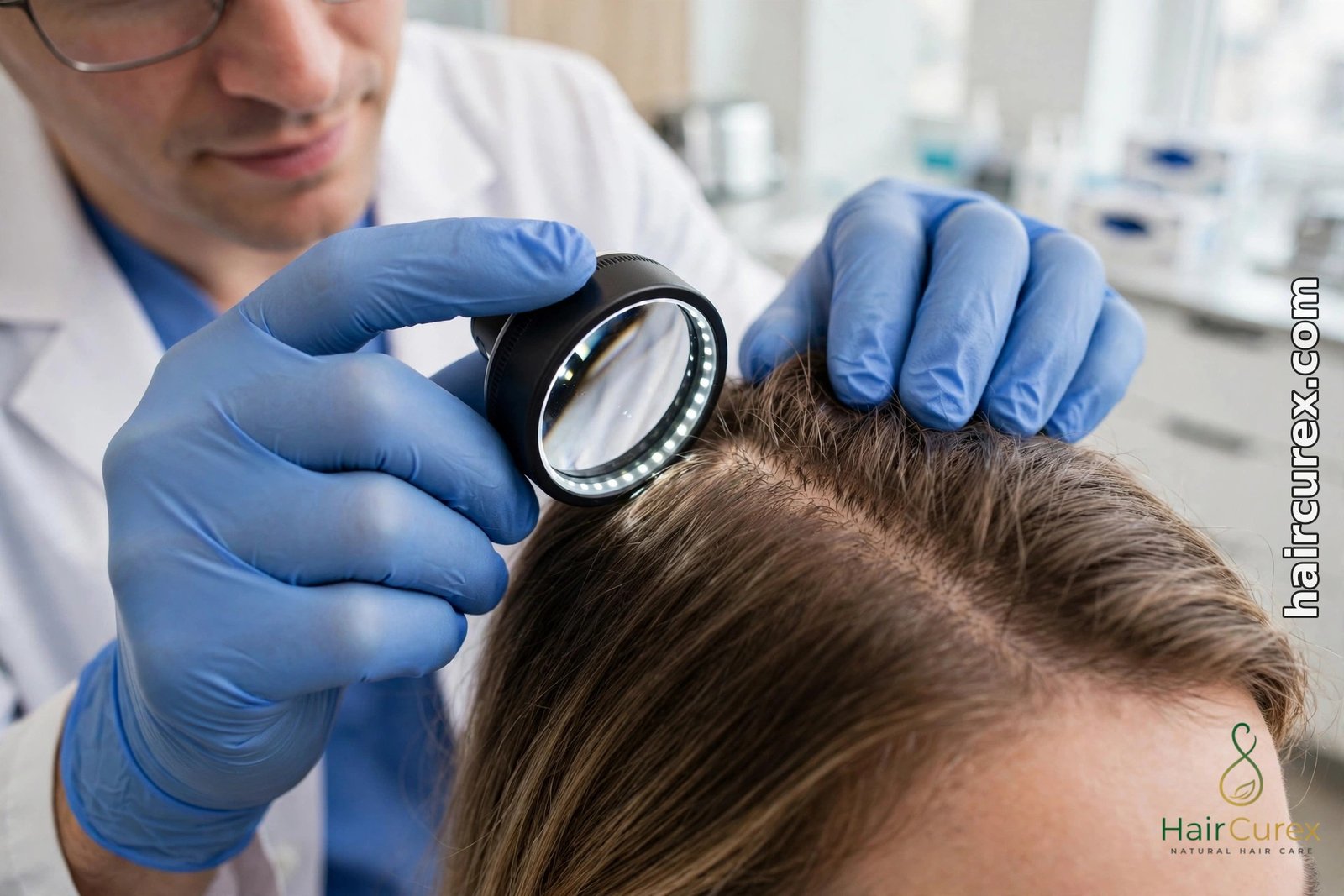
A dermatologist can check whether the cause is seborrheic dermatitis, psoriasis, eczema, or a fungal infection, and prescribe a stronger treatment if needed. Getting the right diagnosis matters, because dandruff vs dry scalp need different treatments.
Frequently Asked Questions
Here are the most common questions about dandruff vs dry scalp, answered so you can tell dandruff vs dry scalp apart with confidence.
Can you have both dandruff and a dry scalp at the same time?
Yes. You can have an oily, flaky scalp in some areas and dry, tight skin in others, especially in winter. Treat the dandruff first with an anti-dandruff shampoo, then add moisture with a gentle conditioner and a light oil, but only on the dry areas. That combination approach works well when both sides of dandruff vs dry scalp are present.
How long does it take for anti-dandruff shampoo to work?
Most people see fewer flakes within two to three weeks of using an anti-dandruff shampoo two to three times a week. If there is no improvement after four weeks, try a different active ingredient, such as ketoconazole or selenium sulfide, or see a dermatologist.
Does dry scalp cause hair loss?
A dry scalp on its own rarely causes hair loss. However, constant scratching and inflammation can weaken hair and cause breakage. If you are losing more hair than usual, or you notice patches of thinning, see a dermatologist to check the cause.
Is dandruff contagious?
No. Dandruff is not contagious. You cannot catch it from another person, or spread it by sharing a hairbrush, hat, or pillow. It is caused by the yeast and oil on your own scalp, not by an infection you can pass on.
What is the best shampoo for dandruff vs dry scalp?
For dandruff, choose a medicated shampoo with zinc pyrithione, selenium sulfide, or ketoconazole. For a dry scalp, choose a gentle, sulfate-free, moisturising shampoo. Using a medicated shampoo on a dry scalp can make dryness worse, so it is important to know which one you have first.
The Bottom Line
Dandruff vs dry scalp are different problems with different fixes. If you are still unsure which one you have, repeat the dandruff vs dry scalp tests above, treat for two to three weeks, and see a dermatologist if nothing improves — getting dandruff vs dry scalp right is the first step to a calmer scalp.