

Quick answer: Semi-permanent vs permanent hair dye comes down to commitment. Semi-permanent dye coats the outside of the hair, contains no ammonia or developer, and washes out in 4 to 12 washes — best for trying a new shade, adding shine, or coloring without damage. Permanent dye opens the hair shaft with ammonia and developer, changes the color inside the hair, and lasts until it grows out — best for full gray coverage, going lighter, or a long-lasting change. If you are unsure, start with semi-permanent; you can always go permanent later.
Choosing a hair dye feels simple until you stand in front of a wall of boxes. One promises color that lasts for weeks, another promises color that never washes out, and the fine print mentions ammonia, developer, and lift. The wrong choice is not a disaster — hair grows — but it can mean weeks of a shade you dislike, damaged ends, or roots that need fixing at a salon. This guide compares the two main types honestly: how they work, how long they last, how much damage they do, what they cost, and which one fits your hair and your plans.
What Is Semi-Permanent Hair Dye?
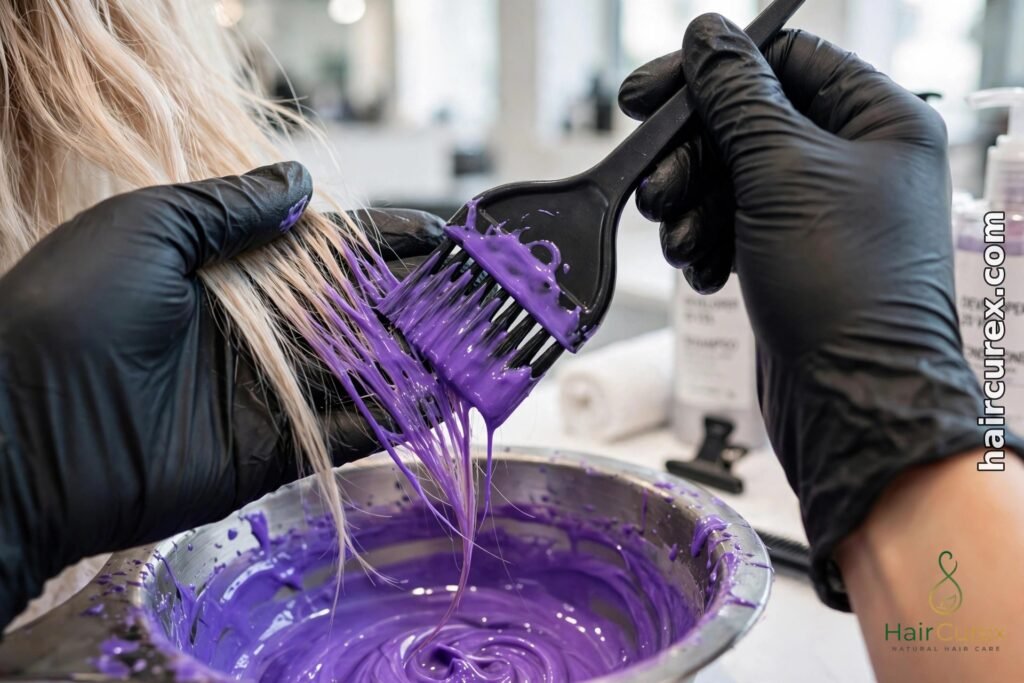
Semi-permanent hair dye is a deposit-only color. It contains no ammonia and no developer (hydrogen peroxide), so it does not open the hair shaft or change your natural pigment. Instead, the color molecules sit on the surface of the hair and stain the outer cuticle layer. Because nothing is forced inside the hair, the color gradually fades every time you wash.
Most semi-permanent dyes last 4 to 12 washes, or about 2 to 6 weeks depending on how often you shampoo, how porous your hair is, and how dark the shade is. Bright fashion colors such as purple, blue, and pink fade fastest on the ends and can linger longest on bleached or porous hair. Darker, natural-looking shades fade more subtly and are easier to live with as they wash out.
Semi-permanent dye can only darken your hair or add tone to it — it cannot lighten your natural color. A brunette cannot become blonde with semi-permanent dye, because there is no chemical lifting the natural pigment away. On dark hair, semi-permanent color often shows up as a subtle tint or shine rather than a dramatic change, unless the hair is pre-lightened first.
The biggest advantage is gentleness. With no ammonia and no peroxide, semi-permanent dye is the least damaging way to color your hair, and many formulas add conditioning ingredients that leave hair feeling softer. It is also the most forgiving option for first-time colorists: if the shade is wrong, it fades within weeks, and it can be reapplied as often as weekly without the damage risk of permanent dye.
Popular semi-permanent dyes include direct dyes such as Arctic Fox, Manic Panic, and color-depositing conditioners. Our guide to Arctic Fox hair dye explains how one of the best-known semi-permanent brands works, which shades last longest, and what to expect on different base colors.
What Is Permanent Hair Dye?
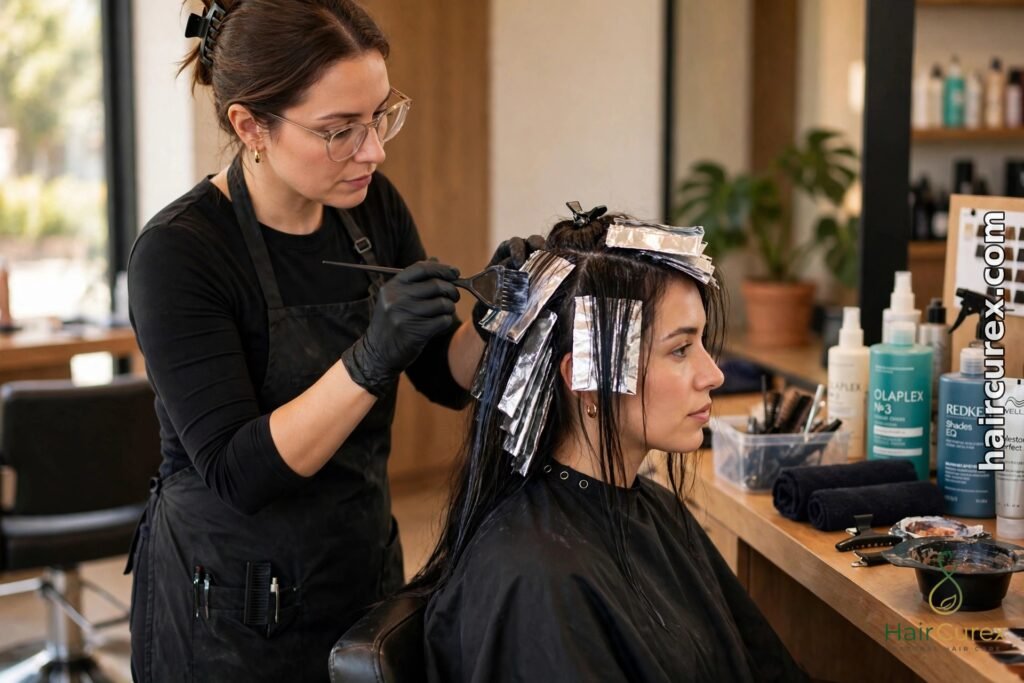
Permanent hair dye works by chemical reaction inside the hair. It is mixed with a developer — usually hydrogen peroxide — and often contains ammonia. The ammonia opens the hair cuticle, the peroxide lightens your natural pigment, and small dye molecules enter the hair shaft and join together into large color molecules that are too big to wash out. That is why the color stays until the hair grows out or is cut off.
This is the only type of dye that can both lighten and deposit color in one step, and the only one that gives full, reliable gray coverage. A permanent dye can lift your hair one to three levels lighter (more with high-lift formulas or bleach) and cover grays completely, which is why it is the standard choice for root touch-ups and major color changes.
The trade-off is damage. Opening the cuticle and lifting pigment weakens the hair structure, especially with repeated use, high developer volumes, or bleaching. Permanent dye can leave hair drier, more porous, and more prone to breakage, and the damage is cumulative: hair that has been permanently colored many times needs more care than virgin hair. It also needs commitment — roots show as your hair grows, typically every 4 to 6 weeks, and the color cannot simply be washed out if you change your mind.
Permanent dye is applied to dry, unwashed hair (natural scalp oils help protect the skin), left to process for 30 to 45 minutes, then rinsed and conditioned. Box dyes and salon formulas work the same way chemically; the difference is the quality of the formula, the accuracy of the shade choice, and the skill of the application.
Semi-Permanent vs Permanent Hair Dye: Comparison Table
| Feature | Semi-permanent dye | Permanent dye |
|---|---|---|
| How it works | Coats the outside of the hair shaft; deposit only | Opens the cuticle and changes color inside the hair shaft |
| Contains ammonia / developer | No | Yes — ammonia and hydrogen peroxide developer |
| How long it lasts | 4 to 12 washes (about 2 to 6 weeks) | Until it grows out; roots need touch-ups every 4 to 6 weeks |
| Can it lighten hair? | No — can only darken or add tone | Yes — lifts 1 to 3 levels, more with bleach |
| Gray coverage | Poor — tints grays but does not fully cover them | Full — the only reliable option for complete gray coverage |
| Damage level | Very low — no chemical change inside the hair | Moderate — cumulative damage with repeated use |
| How often you can reapply | As often as weekly | Every 6 to 8 weeks (roots every 4 to 6 weeks) |
| Best for | Trying a shade, fashion colors, shine, first-time coloring | Gray coverage, going lighter, long-lasting change |
| Typical cost (at home) | $8 to $20 per application | $10 to $30 per box; $80 to $250+ at a salon |
| If you hate the result | Fades out in a few weeks | Needs color correction or growing out |
The table makes the decision clearer than any single rule. Semi-permanent wins on gentleness and flexibility; permanent wins on coverage and staying power. Demi-permanent dye sits between the two — it uses a low-volume developer, lasts up to 24 washes, and blends grays without fully covering them — and it is worth considering if you want more staying power than semi-permanent without the full commitment of permanent color.
How Long Does Each Type Last?

Semi-permanent dye fades with every wash, and the fade rate depends on your hair and your habits. Hot water, clarifying shampoos, and daily washing strip color fastest. Cool water, sulfate-free shampoo, and washing two to three times a week slow the fade. Porous hair — bleached, heat-damaged, or naturally fine hair — grabs color quickly but also lets it go quickly, while healthy, low-porosity hair holds color a little longer.
Permanent dye does not wash out, but it does fade. Sun exposure, heat styling, chlorine, and harsh shampoos dull the color over weeks, and the most visible change is the root line: new growth appears at the scalp, usually noticeable after 3 to 4 weeks. The lengths keep their color, but the shade can shift — reds fade to copper, ash tones turn brassy — which is why color-safe care matters for both types. Healthline explains how often you can safely re-dye with each type: Healthline’s guide to how often you can dye your hair.
Damage: Which Is Safer for Your Hair?
Semi-permanent dye is the safer option by a wide margin. It does not lift the cuticle, does not remove natural pigment, and does not change the hair’s internal structure. Most people can use it repeatedly with no measurable damage, and some formulas act like a conditioning gloss. The main risks are staining — of skin, towels, and pillowcases in the first few days — and dryness from frequent washing to remove it, not from the dye itself.
Permanent dye is harsher, and the risk grows with the amount of lift. Going one shade darker with a low-volume developer is relatively gentle; going several shades lighter, or bleaching first, is the most damaging route. Repeated permanent coloring on the same lengths — instead of roots only — causes the most breakage, because the same hair is processed again and again. If your hair is already damaged, bleached, or breaking, fix its condition first or choose semi-permanent until it recovers.
Both types can cause allergic reactions, and permanent dye carries the higher risk because of ingredients such as PPD (para-phenylenediamine). Always do a patch test 48 hours before coloring, even if you have used the same product before — sensitivity can develop over time. The FDA’s hair dye safety page explains the patch test and other precautions: FDA Cosmetics Safety Q&A: Hair Dyes.
Gray Coverage: Which One Actually Works?
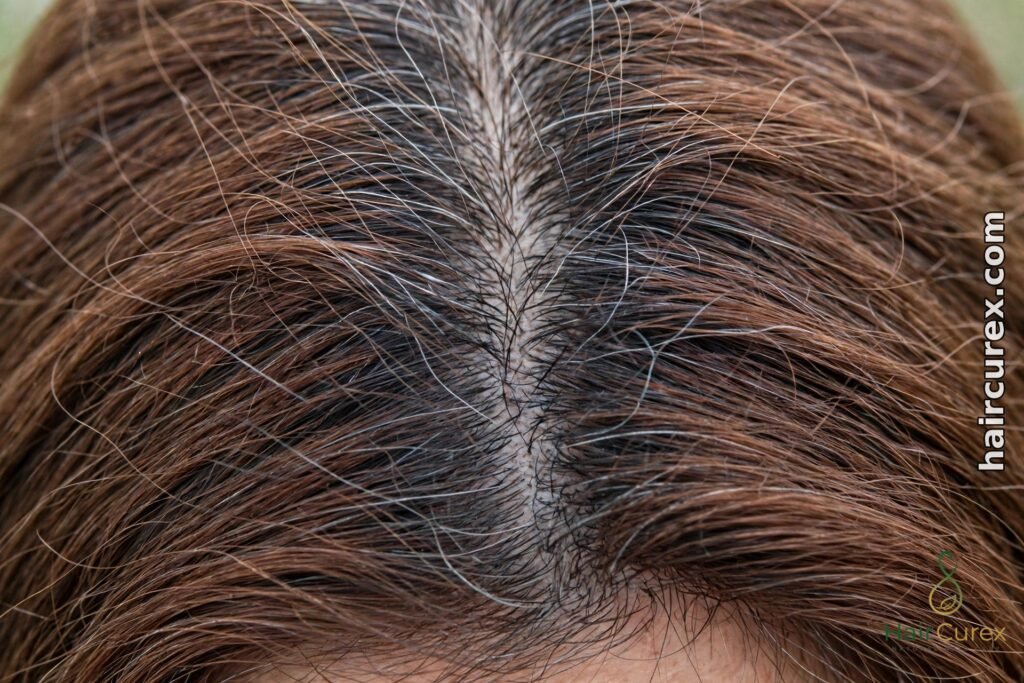
Gray hair is the clearest dividing line between the two types. Gray hair has no pigment for semi-permanent dye to work with, and because semi-permanent color only coats the surface, it washes off grays quickly and unevenly — grays end up looking tinted rather than covered, and the tint fades first. If you have more than a few grays, semi-permanent dye will not give you the even coverage you want.
Permanent dye is the only reliable option for full gray coverage. It deposits color inside the hair shaft, so grays are colored from within and stay colored. The trade-off is maintenance: roots show as your hair grows, so you will need a touch-up every 4 to 6 weeks, and you should apply dye to the roots only rather than re-processing the lengths each time.
If your grays are scattered and you want a low-commitment fix, demi-permanent dye blends grays into the rest of your hair without fully covering them, and it fades gradually so there is no harsh root line. It is a good middle ground for the first signs of gray.
Cost: What Will You Actually Spend?
At home, the two types cost roughly the same per box — semi-permanent $8 to $20, permanent $10 to $30 — but the real cost is in how often you repeat it. Semi-permanent dye needs reapplying every few weeks if you want the color to stay, so a year of keeping a fashion color fresh can cost more than a year of permanent color with root touch-ups. Permanent dye costs less per month for a stable shade, but a salon application runs $80 to $250 or more, and fixing a bad permanent result with color correction can cost several hundred dollars.
Budget honestly for maintenance, not just the first box. A semi-permanent shade you refresh monthly costs about $100 to $240 a year at home. A permanent shade with a root touch-up every six weeks costs about $90 to $260 a year at home, or $700 to $2,000+ at a salon. Choosing a shade close to your natural color cuts both bills, because regrowth is less visible and fading is less obvious.
Which Should You Choose?
Choose semi-permanent dye if you are coloring for the first time, trying a fashion color such as purple, blue, or copper, adding shine or depth to your natural shade, or coloring damaged or fragile hair. It is also the right pick if you like changing your look often or you are not sure about a shade — the color fades out on its own, so a mistake is temporary. Our copper hair color guide shows how a warm shade like copper looks across skin tones and how to stop it fading too fast.
Choose permanent dye if you need full gray coverage, you want to go lighter, you want a color that lasts for months with only root touch-ups, or you have found your shade and want to keep it. It is the practical choice for a long-term signature color, especially if your natural hair is dark and you want a lighter or dramatically different shade.
Still unsure? Ask yourself three questions. First, how much gray do I have — more than a few strands means permanent. Second, do I want to go lighter — any lightening means permanent (or bleach). Third, how would I feel if I hated the result in two weeks — if the answer is panicked, start semi-permanent. You can always apply permanent dye over a faded semi-permanent color, but going the other way round needs color removal first. For shade inspiration before you decide, browse our hair color ideas roundup of shades that suit different skin tones and hair types.
How to Apply Each Type at Home
Preparation is the same for both: do a patch test 48 hours ahead, read the instructions fully, wear old clothes and gloves, and protect your hairline with petroleum jelly. Work on dry, unwashed hair for permanent dye, and on clean, damp hair for most semi-permanent dyes — but always follow the box, because formulas differ.
For semi-permanent dye, apply generously section by section, making sure every strand is saturated, then leave it on for the recommended time — usually 20 to 40 minutes. Some people add gentle heat with a shower cap and a warm towel to help the color take. Rinse with cool water until it runs mostly clear, and skip shampoo for the first wash if the instructions allow it.
For permanent dye, mix the color and developer exactly as directed, apply to the roots first, then pull the color through the lengths for the last 10 minutes if the lengths need refreshing. Do not leave it on longer than the instructions say — extra time does not mean extra color, it means extra damage. Rinse thoroughly, then use the conditioner in the box, which is formulated to close the cuticle and lock in color.
Common mistakes with both types include choosing a shade from the box photo instead of the swatch chart, applying dye to wet hair when the instructions say dry, and skipping the strand test. A strand test — coloring a small hidden section first — takes ten extra minutes and saves you from a full-head surprise. Our Arctic Fox color chart shows why the base color of your hair matters so much: the same dye looks completely different on blonde, brown, and bleached hair.
How to Make Your Color Last Longer
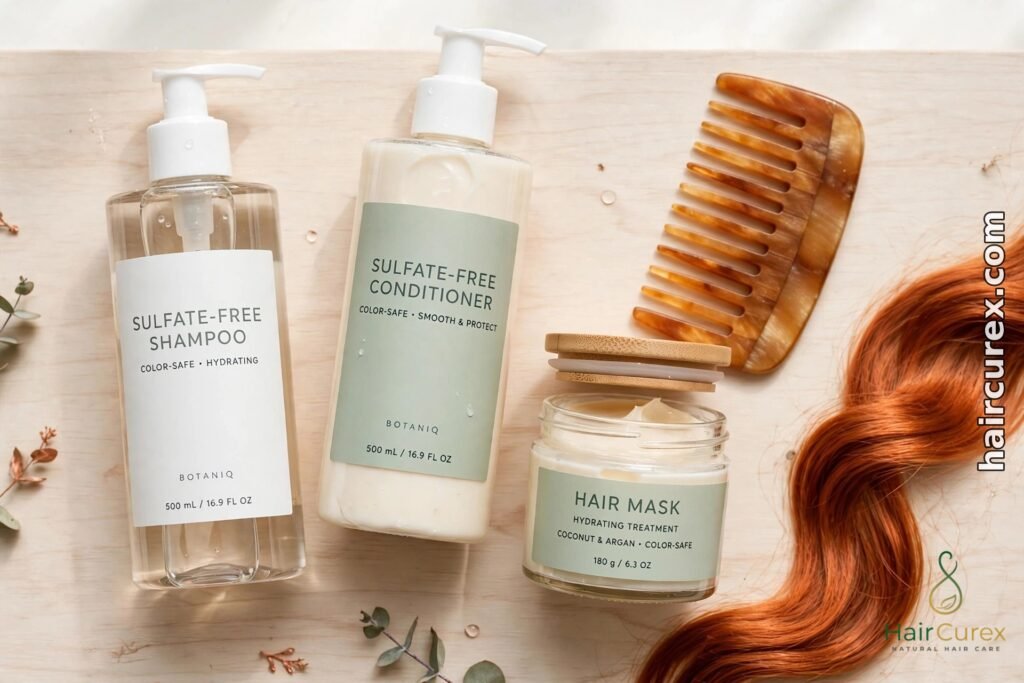
Color care starts with washing less and washing cooler. Wash two to three times a week with cool or lukewarm water and a sulfate-free, color-safe shampoo. Hot water opens the cuticle and lets color escape, and sulfates strip it faster. A weekly deep-conditioning mask or hair gloss keeps the cuticle smooth so color stays locked in.
Protect your color from sun and chlorine. UV light fades dye, especially reds and fashion colors, so wear a hat in strong sun or use a UV-protectant spray. Wet your hair with clean water before swimming so it absorbs less chlorine, and rinse immediately after. Heat styling also fades color, so use a heat protectant and keep tools at the lowest effective temperature.
For semi-permanent color, a color-depositing conditioner in your shade tops up the color between full applications and stretches the time between dyes. For permanent color, a gloss or toner every 4 to 6 weeks refreshes the shade and adds shine without re-processing the hair. Staining is the other side of semi-permanent care: dark shades transfer to towels and pillowcases for the first few days, so use dark linens until the color sets. Our guide on whether Arctic Fox dye stains covers exactly how long staining lasts and how to remove it from skin, clothes, and bathroom surfaces.
When to See a Professional
Book a salon visit instead of a box if you want to go more than two shades lighter, you are correcting a color gone wrong, your hair is bleached or damaged, or you have had an allergic reaction to dye before. A colorist can also help when your hair has uneven porosity — for example, roots that grab color differently from bleached ends — which is hard to fix at home.
See a dermatologist if you develop a rash, swelling, blistering, or hair loss after dyeing, or if a patch test causes a reaction. These symptoms need medical attention, not a different brand. And if you have a scalp condition such as psoriasis or eczema, ask your doctor before coloring, because dye on broken or irritated skin increases absorption and the risk of a reaction.
Frequently Asked Questions
Does semi-permanent hair dye damage your hair?
Very little. Semi-permanent dye contains no ammonia or developer, so it does not open the hair shaft or change your natural pigment. It coats the outside of the hair and fades with washing. It is the least damaging type of hair dye, and many formulas leave hair feeling softer.
Can you put permanent dye over semi-permanent dye?
Yes, once the semi-permanent color has mostly faded. Permanent dye can be applied over faded semi-permanent color, but the old color can affect the final shade, especially bright fashion colors. Wait until it has faded as much as possible, do a strand test first, and avoid putting permanent dye over a dark semi-permanent shade if you want a lighter result — color does not lift color.
How long does semi-permanent hair dye last?
Most semi-permanent dyes last 4 to 12 washes, or about 2 to 6 weeks. Bright colors fade fastest, darker shades last longer, and washing with cool water and sulfate-free shampoo slows the fade. On bleached or porous hair, some tones — especially blue and green — can linger beyond 8 weeks.
Does permanent hair dye wash out completely?
No. Permanent dye changes the color inside the hair shaft, so it does not wash out. The color fades and dulls over time, and roots grow in showing your natural color, but the dyed lengths stay colored until they grow out or are cut off. Only color removal or correction can take permanent dye out.
Which hair dye is best for gray hair?
Permanent dye is best for gray hair because it is the only type that fully covers grays. Semi-permanent dye only tints grays and washes off them quickly. Demi-permanent dye is a middle option: it blends grays into the rest of your hair without fully covering them and fades gradually with no harsh root line.
Can semi-permanent dye lighten dark hair?
No. Semi-permanent dye contains no developer, so it cannot lift your natural pigment. It can only darken your hair or add tone to it. To go lighter you need permanent dye, bleach, or a professional lightening service.