


Silver hair looks effortless in photos — a cool, metallic shade that catches the light and makes everything else look polished. In real life it is one of the hardest hair colours to get right, and one of the fastest to go wrong. The shade itself is simple: a pale, cool grey with a metallic sheen. Getting there is not. Your hair has to be lifted to a very pale blonde first, then toned with the right violet-based formula, and then maintained with a routine that fights the yellow tones that creep back in with every wash, every sunny day and every hot shower.
This guide covers the whole process honestly: what silver hair is, the routes to get it, what it costs in time and upkeep, why it turns yellow, and the exact routine that keeps it bright for weeks instead of days. No miracle claims and no shortcuts that damage your hair — just the practical detail that decides whether silver works for you or becomes a brassy regret.
Quick answer: To get silver hair, your hair must first be bleached to a very pale blonde (level 9 or 10), then toned with a violet or silver toner that cancels the remaining yellow. Dark hair usually needs more than one bleaching session, done weeks apart. Silver fades fast and turns yellow from washing, sun, heat and hard water, so you need purple shampoo once or twice a week, cool water, sulfate-free products and a toner refresh every 4 to 6 weeks to keep it silver.
What Is Silver Hair?

Silver hair is a cool-toned grey shade with a metallic, almost reflective finish. It sits between white blonde and grey: lighter and cooler than ash blonde, softer and more wearable than pure white. The best silver looks like polished metal — even, luminous and deliberately cool — while a bad silver looks flat grey or, worse, muddy yellow.
It is worth knowing that silver hair is not a single colour. There are several versions, and choosing the right one matters more than most people expect. A bright, icy silver is the most dramatic and the hardest to maintain, because it shows every trace of yellow. A darker gunmetal or slate silver is more forgiving and lasts longer between toning sessions, because the deeper pigment hides fading better. A silver balayage or silver-tipped style keeps the roots natural, which means less visible regrowth and fewer salon visits. If you are trying silver for the first time, a slightly deeper or blended version is the safer choice — you get the look without the punishing maintenance schedule of icy white-silver.
Silver hair is also different from natural grey hair, although the two get confused constantly. Natural grey hair is hair that has lost its pigment, and it can be white, grey or a mix, with a texture that is often coarser and drier. Silver hair colour is a deliberate dye result on top of lightened hair, and it needs the same maintenance as any fashion colour. If your goal is to grow out your natural grey gracefully rather than dye it silver, our guide to gray blending covers the gentler route that works with your natural colour instead of against it.
How to Get Silver Hair
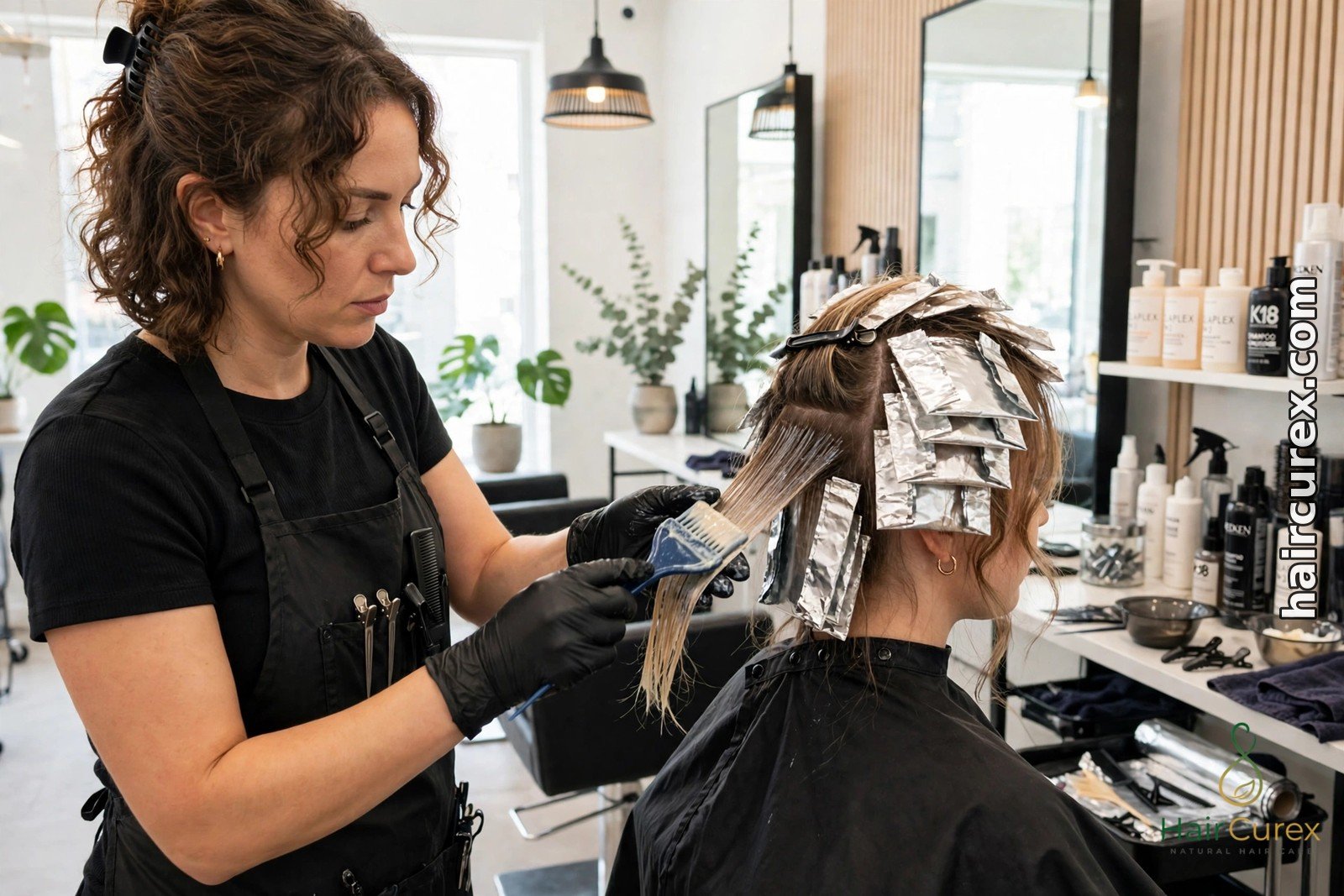
Getting silver hair is a two-part job: lightening, then toning. The toning is the easy part. The lightening is where most silver attempts fail, because silver only looks silver on a very pale base. If the hair underneath is still yellow or orange, the silver toner will mix with that warmth and come out muddy, greenish or beige — never silver.
Step 1: Lighten to a pale blonde
Your hair needs to reach level 9 or 10 — a pale yellow, roughly the colour of the inside of a banana peel. On naturally light blonde hair, that can take one bleaching session. On medium brown hair, expect two sessions. On dark brown or black hair, expect two or three, spaced at least two to four weeks apart so the hair can recover between sessions. A good stylist will stop and reassess rather than push the hair past what it can take in one sitting, because over-bleached hair breaks, and broken hair cannot hold silver hair colour anyway.
If you are considering doing this at home, be honest about your starting point. Light blonde hair can be lifted at home with care, but dark hair, previously dyed hair and hair that has been coloured black are much harder: box dye and old colour build up unevenly, so the lift comes out patchy, and fixing patchy lift is a salon job. Our step-by-step guide to how to bleach your hair at home covers the safety rules, strand testing and timing that matter if you go the DIY route — read it before you buy anything.
Step 2: Tone with a violet or silver toner
Once the hair is pale enough for silver hair, a hair toner is applied. The toner deposits violet and blue-violet pigment, which sits opposite yellow on the colour wheel and cancels it out, leaving the cool silver tone behind. Toner is usually left on for 5 to 20 minutes depending on the formula and the result you want — longer gives a deeper, cooler silver, while a shorter time gives a softer, more translucent effect. The stylist will usually check the colour as it develops rather than timing it blindly, because hair that is very porous grabs toner fast and can turn lavender or grey-blue if it is left too long.
Step 3: Seal and assess in daylight
After toning, the silver hair is rinsed with cool water and conditioned. Always check the result in daylight before deciding whether it is right: salon lighting is warm and flattering, and it hides yellow tones that daylight exposes immediately. If the silver looks slightly too warm, a second, shorter toning pass can correct it. If it looks too ashy or blue, it will soften noticeably within a few washes — silver is at its most intense on day one and settles over the first week.
| Route to silver hair | How it works | Best for | Maintenance |
|---|---|---|---|
| Salon full bleach + tone | Stylist lightens to level 9–10, then tones | Dark hair, previously dyed hair, first-timers | Toner refresh every 4–6 weeks |
| At-home bleach + silver dye | DIY lightening, then a silver dye or toner | Naturally light blonde hair; confident DIYers | Purple shampoo + toner every 4–6 weeks |
| Silver dye over pre-lightened hair | Silver dye applied to already-blonde hair | Blondes refreshing or changing their tone | Reapply as it fades, about every 4–6 weeks |
| Grey blending / grow-out | Blending natural grey with lowlights and toner | People going grey who want a graceful transition | Low — mostly trims and occasional toning |
| Temporary silver (spray, wax, conditioner) | Colour sits on the surface and washes out | Trying the look for a day or a weekend | None — washes out in 1–3 washes |
A salon route to silver hair costs more upfront but is the safest choice for dark or previously coloured hair, and it is the only route that reliably produces an even icy silver. The at-home route can work well on naturally light hair and costs far less, but it carries the real risk of uneven lift and breakage if the hair is pushed too far in one session. Temporary silver products are the honest zero-commitment test: if you like how silver looks on you for a weekend, the permanent route is worth the effort; if you do not, you have lost nothing.
Why Silver Hair Turns Yellow

Silver hair turns yellow for reasons that are mostly outside your control, which is why maintenance is not optional with this colour. Understanding the causes helps you fight the right ones instead of buying random products.
Washing. Every wash strips a little toner from silver hair, because the violet pigment molecules in silver toner are large and sit near the surface of the hair. As the violet fades, the warm yellow pigment underneath shows through. Hot water speeds this up by opening the cuticle, and harsh shampoos with sulfates strip colour even faster.
Sun and UV light. Ultraviolet light breaks down the cool pigments in silver toner and oxidises the hair underneath, which brings out yellow and brassy tones. This is why silver fades fastest in summer and why hair that looks perfect in winter can turn yellow after a sunny holiday.
Heat styling. High heat from straighteners, curling irons and blow dryers oxidises the hair and fades toner, especially on the lengths and ends where heat is applied most often. Hair that is heat-styled daily will yellow noticeably faster than hair that is air-dried.
Hard water and minerals. Tap water with high mineral content leaves deposits of iron, copper and calcium on the hair. These minerals oxidise and tint the hair yellow or even slightly orange, and the effect builds up wash after wash. If your silver goes yellow within days of toning and you live in a hard-water area, minerals are a likely culprit — a shower filter or a chelating shampoo used occasionally can help.
Chlorine and salt water. Chlorinated pool water strips toner quickly and can leave a greenish-yellow tint, especially on very porous, heavily bleached hair. Salt water is less damaging but still dries the hair out, which makes it look duller and warmer.
Product build-up and smoke. Styling products, dry shampoo residue and even cigarette smoke can leave a yellowish film on pale hair. Silver shows build-up more than any other colour, so clarifying occasionally matters.
How to Keep Silver Hair From Going Yellow
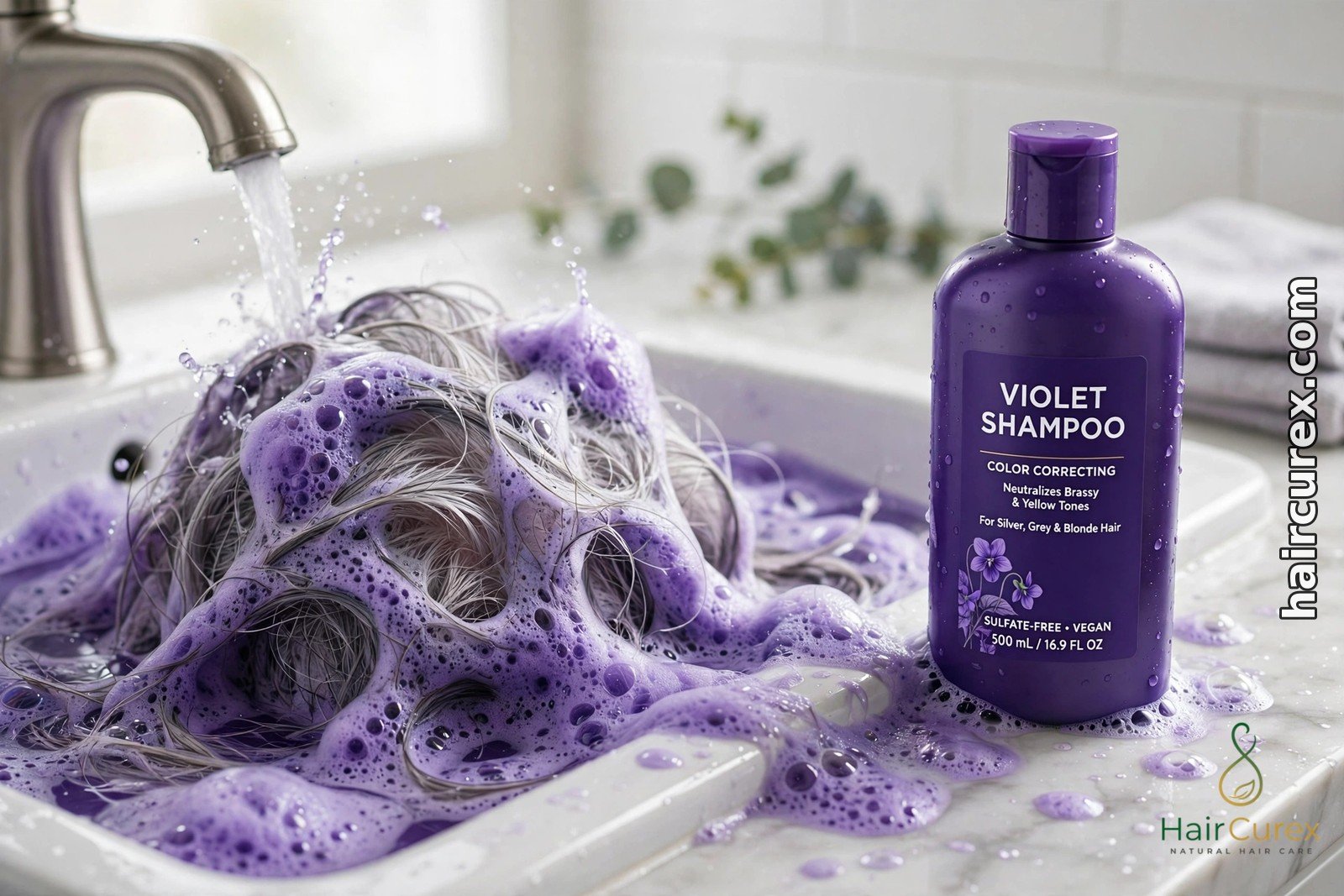
Keeping silver hair bright is a routine, not a single product. The steps below are the ones that actually move the needle, in order of impact.
Use purple shampoo once or twice a week. Purple shampoo deposits a small amount of violet pigment every time you use it, which cancels the yellow that has crept in since your last wash. Use it like a normal shampoo but leave it on for 3 to 5 minutes before rinsing so the pigment has time to deposit. Once or twice a week is enough for most people; using it every wash can over-deposit violet and leave the hair looking lilac or dull grey, especially on very porous ends. If your hair does go slightly purple, one wash with a regular shampoo usually fixes it.
Wash less, and wash cool. Wash two or three times a week instead of daily, and use lukewarm or cool water for the final rinse. Cool water closes the cuticle and locks in the toner, while hot water opens it and lets colour escape. On non-wash days, dry shampoo at the roots is enough.
Use sulfate-free, colour-safe products. Sulfates are strong cleansers that strip toner faster than gentler formulas. A sulfate-free shampoo and a conditioner made for colour-treated hair will extend the life of your silver by weeks over the course of a toning cycle.
Protect against heat and sun. Always use a heat protectant before blow drying or styling, and keep hot tools at a moderate temperature. In strong sun, wear a hat or use a UV-protectant hair spray — silver fades fastest in direct sun, and a hat is cheaper than a salon toning appointment. Before swimming, wet the hair with fresh water and apply a leave-in conditioner so it absorbs less chlorine; rinse with fresh water immediately after getting out of the pool.
Refresh the toner every 4 to 6 weeks. Purple shampoo maintains the tone, but it cannot replace toner. After about a month, the silver will have faded enough that a toning refresh is needed — either a salon gloss and tone, or an at-home silver toner or silver conditioner if your stylist has shown you how. Booking the refresh before the yellow becomes obvious keeps the colour even, because toning over faded silver works far better than trying to rescue badly yellowed hair.
For the basics of gentle hair care that protect any colour — less heat, careful detangling, protecting the hair from damage — the American Academy of Dermatology’s healthy hair tips are a solid, no-nonsense reference. And if you want to understand how hair products are labelled and regulated, the U.S. Food and Drug Administration’s cosmetics pages explain what the ingredient list and the claims on the bottle actually mean.
Silver Hair Maintenance Routine
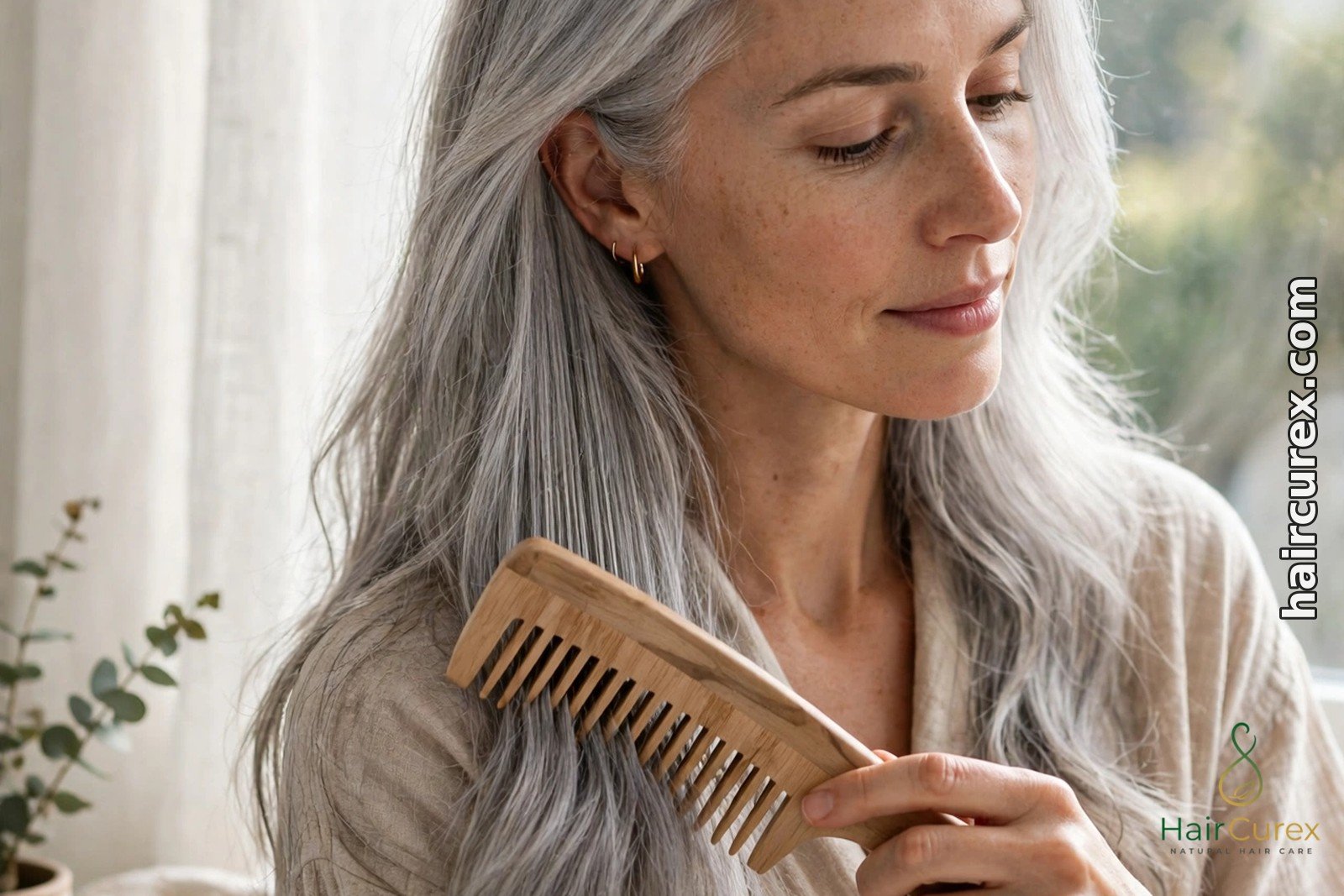
A simple weekly routine keeps silver hair looking salon-fresh between toning appointments. It takes very little extra time once it becomes a habit.
- Wash days (2–3 times a week): sulfate-free shampoo, cool rinse, conditioner on the lengths only. Once a week, swap in purple shampoo and leave it for 3 to 5 minutes.
- After every wash: leave-in conditioner or a light hair oil on the ends, then a heat protectant if you are styling with heat. Air-dry when you can.
- Once a month: a deep conditioning mask to repair the dryness that bleaching causes, and a clarifying or chelating wash if you have hard water or heavy product build-up. Do the clarifying wash a day or two before your toning refresh, not after it, since clarifying strips toner.
- Every 4 to 6 weeks: toner refresh at the salon, or an at-home silver toner if your stylist has approved it. Book the appointment when you notice the silver starting to look warm, not after it has gone fully yellow.
- Daily: a hat or UV spray in strong sun, and fresh-water rinse after swimming.
Bleached hair is drier and more fragile than unbleached hair, so conditioning is not a luxury with silver hair — it is part of keeping the colour. Dry, rough hair scatters light and looks dull and warm, while smooth, conditioned hair reflects light and looks bright and silver. A weekly mask genuinely changes how the colour reads.
Mistakes to Avoid
The most common mistake is bleaching too far, too fast. Dark hair lifted to pale blonde in a single session often breaks, and hair that has been pushed past its limit will not hold silver toner evenly — it goes patchy, fades in days and feels like straw. Patience between sessions is what makes silver hair possible on dark hair; rushing is what ruins it.
The second mistake is skipping the strand test. Always test the lightener and the toner on a small, hidden section first. A strand test shows how fast your hair lifts, whether the toner grabs too strongly, and whether the hair can handle the process at all. It takes twenty minutes and can save you from a colour disaster and months of repair work.
The third mistake is overusing purple shampoo. It is a maintenance product, not a daily shampoo, and used too often it deposits so much violet that the hair turns lilac or dull grey. If your silver looks purple, stop the purple shampoo for a week and wash with a regular colour-safe shampoo until the violet fades.
The fourth mistake is expecting silver to behave like a normal colour. It fades faster, shows regrowth sooner, costs more to maintain and needs a toning appointment every month or so. If that schedule sounds like too much, a lower-maintenance cool tone such as ash brown hair gives you the cool, modern look with far less upkeep — it is the honest alternative for anyone who loves cool tones but not the salon calendar.
Finally, do not try to fix yellow silver with more bleach. Bleaching already-toned hair to remove yellow usually makes the problem worse: it damages the hair further, makes it more porous, and the yellow comes back faster. The fix for yellow silver is toner and purple shampoo, not more lightener.
Who Suits Silver Hair
Silver hair suits more people than its reputation suggests, but it does flatter some features more than others. It looks best against cool or neutral skin tones, because the cool shade harmonises with pink or neutral undertones. On very warm skin it can still work, especially as a deeper gunmetal silver or a silver balayage, but icy silver against warm skin can look harsh.
It also works best on hair that is healthy enough to survive bleaching. Fine hair can go silver beautifully, but it is more fragile, so the lightening must be gentler and the maintenance more careful. Thick, coarse hair usually lifts more slowly and needs more sessions, but it tolerates the process better. If your hair is already damaged, breaking or very dry, fix the condition first — silver on damaged hair fades in days and looks worse than no colour at all.
Try a temporary silver spray or a silver conditioner first if you are unsure. It gives you a real sense of how the shade looks against your skin and with your wardrobe, without any commitment. And if you decide silver is not for you, you have lost nothing — the temporary colour washes out in a few washes.
Frequently Asked Questions
How long does silver hair last?
Silver hair toner lasts about 4 to 6 weeks before it fades noticeably, and the exact time depends on how often you wash, the water temperature and sun exposure. Purple shampoo once or twice a week stretches it toward the longer end. The underlying blonde stays lightened, so a toner refresh — not another bleach — is all it takes to bring the silver back.
Will silver hair damage my hair?
Bleaching to the pale blonde that silver hair needs does cause damage, especially on dark hair that needs several sessions. The toner itself is gentle. The damage comes from the lightening, so the risk depends on your starting colour, your hair’s condition and how the bleaching is spaced. A good stylist, sessions spaced weeks apart, and regular deep conditioning keep the damage manageable.
Can I get silver hair at home?
Yes, if your hair is naturally light blonde — one careful bleaching session followed by a silver toner can work well at home. On medium brown or darker hair, or hair that has been dyed, the salon is the safer choice because the lift is uneven and the risk of breakage is much higher. Always do a strand test first, whichever route you take.
Why does my silver hair turn yellow so fast?
The violet pigment in silver hair toner washes out with every wash, and sun, heat, hard water and chlorine speed up the fading. Once the violet is gone, the warm yellow tones underneath show through. Purple shampoo, cool water, sulfate-free products and a toner refresh every 4 to 6 weeks are the fixes — and hard water may need a shower filter or chelating shampoo as well.
Does purple shampoo keep silver hair from going yellow?
Yes, when it is used correctly. Purple shampoo deposits violet pigment that cancels yellow tones, so using it once or twice a week keeps silver bright between toning appointments. It cannot replace toner entirely, and using it too often can leave the hair looking lilac or dull, so once or twice a week is the right frequency for most people.
How often should I tone silver hair?
Every 4 to 6 weeks for most people. If you wash your hair daily, use hot water or spend a lot of time in the sun, you may need it closer to every 4 weeks. If you wash less often and protect the hair from sun and heat, you can stretch it to 6 weeks or slightly longer.