

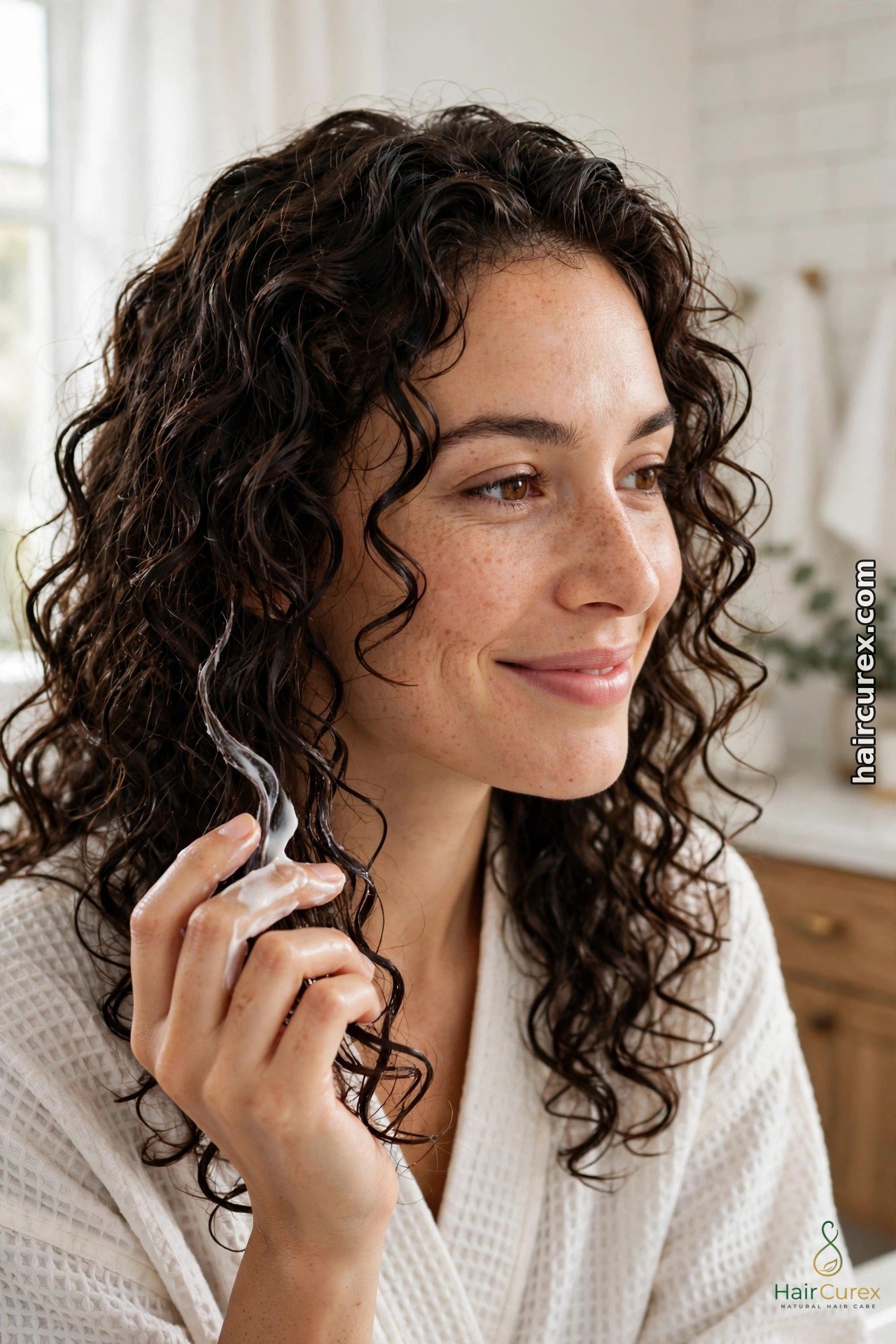
The best leave-in conditioners for curly hair do three jobs at once: they add back the moisture that curly hair loses easily, they give wet hair enough slip to detangle without snapping, and they help curls clump into defined shapes instead of drying into frizz. The right one for you depends less on the brand name than on your curl pattern, your hair’s porosity, and how fine or thick your strands are — a rich cream that rescues thick, high-porosity coils will flatten fine waves, while a light spray that suits fine curls will disappear on dense, dry hair. In short: fine or wavy hair needs a light spray or milk, medium curls do well with a lotion or light cream, and thick, coarse or high-porosity curls usually need a richer cream, sometimes sealed with a gel or oil. This guide compares nine widely available picks by exactly those needs, explains how much to use, and flags the application mistakes that cause buildup, weighed-down curls and dullness.
Best Leave-In Conditioners for Curly Hair: How to Choose in 60 Seconds
Start with three questions, not with a bestseller list. First, how tight are your curls? Loose waves (2A–2C) need the lightest touch, classic curls (3A–3C) sit in the middle, and tight coils (4A–4C) usually need the most moisture. Second, what is your porosity? Low-porosity hair has a tight cuticle that resists water, so heavy butters sit on top and look greasy; high-porosity hair absorbs water fast and loses it just as fast, so it needs richer, more sealing formulas. Our high-porosity hair guide explains how to test porosity with a simple strand check and what it changes about your routine. Third, how fine are your strands? Fine hair is weighed down by a coin-sized amount of heavy cream, while coarse hair can absorb that amount and still feel dry. If you are unsure, start with less product than you think you need, because you can always add a second thin layer, but you cannot easily remove an overloaded first layer without washing again.
Texture matters as much as weight. A spray or milk spreads evenly and is hard to over-apply, which makes it forgiving for beginners and fine hair. A lotion or light cream gives more definition and is the sweet spot for most 3-type curls. A thick cream or butter gives the most control for coils and very dry hair, but it must be worked through in sections or it will coat the outside of your hair and leave the inside dry. Also check the first five ingredients: water or aloe should usually come first, followed by conditioning agents such as fatty alcohols (cetyl or stearyl alcohol, which condition rather than dry), glycerin, or a light oil. Avoid short-chain drying alcohols high on the list in a leave-in, because a product that stays on your hair all day should not be evaporating moisture away with it. Our hair ingredients to avoid guide explains the difference between drying alcohols and conditioning fatty alcohols in detail.
What a Leave-In Can and Cannot Do
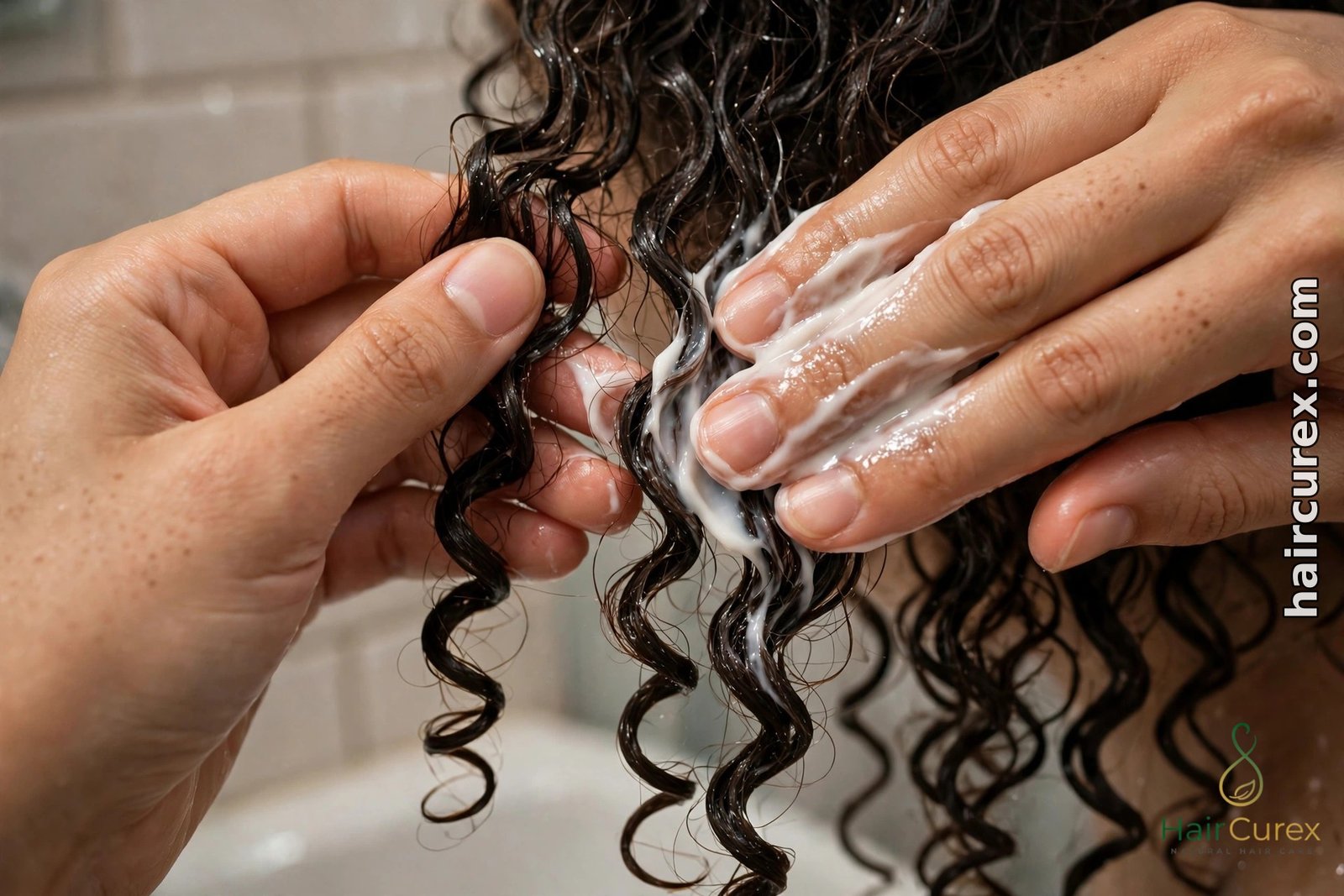
A leave-in conditioner is not a rinse-out conditioner left in by accident. Rinse-out conditioners are designed to be partly washed away, so they can be richer and heavier; leave-ins are formulated to stay on the hair for hours, so they are usually lighter, more evenly spreadable, and less likely to leave a heavy film. That is also why the American Academy of Dermatology’s curly hair advice recommends applying a leave-in conditioner after washing and conditioning to assist with moisturization, and using it again, on thoroughly wet hair, to detangle between washes. Curly hair is drier than straight hair because the natural oils from the scalp travel slowly around each bend, so a leave-in replaces moisture that the curl shape itself makes hard to distribute.
What a leave-in cannot do is repair a split end, change your curl pattern permanently, or make up for a harsh shampoo routine. It can reduce the friction that causes breakage while you detangle, make curls look more defined while the product is in, and slow moisture loss through the day, but it does not rebuild the hair shaft. If your hair is snapping, the fix is usually gentler handling, less heat, and a check on whether your shampoo is too stripping — a gentle shampoo guide is a better first step than a stronger leave-in. Think of a leave-in as daily maintenance for the hair you have, not a treatment that transforms it overnight, and judge any new product after two to four weeks of consistent use, not after one wash day.
The 9 Picks, by Hair Need
1. Best lightweight detangler: Kinky-Curly Knot Today
Knot Today is a thin, slippery leave-in that is famous among curl wearers for detangling, and that reputation is deserved: it gives a lot of slip for very little weight, so fingers or a wide-tooth comb glide through knots instead of pulling. It works best for fine to medium curls, for wavy hair that hates heavy cream, and as a first detangling layer under a gel for tighter curls that need more hold on top. The trade-off is that it is not very moisturizing on its own for thick, dry hair, so treat it as a detangler and a light moisture base, then add a cream or gel if your curls still feel dry after it dries. Use a small amount on soaking wet hair, in sections, and rake it through before you reach for a comb.
2. Best budget rich cream: Cantu Shea Butter Leave-In Conditioning Repair Cream
Cantu’s leave-in is the opposite end of the spectrum: a thick, shea-butter-rich cream that suits thick, coarse and high-porosity curls that drink up lighter products and still feel dry. A little goes a long way, and it works best smoothed through in sections on wet hair, where it gives definition and a soft, moisturized feel that lasts into the next day. Fine or low-porosity hair should use a much smaller amount, or skip it in favour of a lighter pick, because this cream can sit on the surface and look heavy if over-applied. If your curls feel coated rather than soft after drying, you used too much or your hair does not need this weight — both are easy fixes.
3. Best for defined, frizz-prone curls: Briogeo Curl Charisma Rice Amino + Avocado Leave-In Defining Crème
Briogeo’s defining crème sits in the middle of the weight range: a light cream that adds definition without the crunch of a gel and without the heaviness of a butter. It suits 3A–3C curls especially well, and wavy hair that wants more shape than a spray gives. Rice amino acids and avocado oil are the headline ingredients, but the practical benefit is the balance — enough slip to detangle, enough body to encourage clumps, and a finish that stays soft rather than stiff. It layers well under a light gel if you want extra hold on humid days, and it is a good default choice if you are buying your first leave-in and do not yet know your porosity.
4. Best for thick, dry coils: SheaMoisture Coconut & Hibiscus Curl Enhancing Smoothie
SheaMoisture’s smoothie is a thick, buttery formula made for dense, dry curls and coils that need serious moisture and definition. It is richer than a standard leave-in, so it works best on thick or coarse hair, on twist-outs and braid-outs, and as a second-day refresher worked through dry sections in a very small amount. Fine hair will usually find it too heavy as a daily leave-in, and low-porosity hair may find it coats rather than absorbs. The coconut and hibiscus scent is strong, so if you are sensitive to fragrance, patch-test it first and prefer a fragrance-free option instead.
5. Best for softness and shine: Mielle Pomegranate & Honey Leave-In Conditioner
Mielle’s pomegranate and honey leave-in is a creamy, mid-weight option that suits medium to thick curls that feel rough or dull and want a softer, shinier finish. It detangles well, spreads easily on wet hair, and gives a level of moisture that sits between a light spray and a heavy butter, which makes it a versatile pick for 3B–4A curls. It is also a useful refresher: a small amount smoothed over frizzy sections on day two or three can revive definition without a full wash. As with any mid-weight cream, fine hair should start with a pea-sized amount per section and build up only if the hair still feels dry.
6. Best lightweight milk: Camille Rose Curl Love Moisture Milk
A moisture milk is the lightest cream format, and Camille Rose’s version is a good example: it absorbs quickly, leaves little residue, and suits fine to medium curls, low-porosity hair, and anyone who dislikes the coated feeling of heavy creams. It works well as a daily leave-in for waves and loose curls, and as a light base layer under a gel for tighter curls that need hold. It will not be enough on its own for very dry, high-porosity coils, but that is a feature, not a flaw — a light milk that you can layer is more useful than a heavy cream you cannot take back. Keep the amount small and apply to soaking wet hair for the most even spread.
7. Best for very dry, thirsty hair: Aunt Jackie’s Quench Moisture Intensive Leave-In Conditioner
Aunt Jackie’s Quench is a rich, creamy leave-in aimed squarely at very dry, coarse and high-porosity hair that feels parched even after a deep conditioner. It gives strong slip for detangling thick hair in sections, and it leaves curls feeling moisturized rather than just coated, which is the difference that matters for coils that lose moisture fast. Use it on wet hair, in sections, and follow with a gel or cream styler if you want the definition to hold through humidity. Low-porosity and fine hair should use it sparingly or choose a lighter pick, because its richness can weigh down hair that does not absorb quickly.
8. Best spray for fine curls and waves: It’s a 10 Miracle Leave-In Product
It’s a 10 is a light spray leave-in that suits fine curls, waves, and anyone who wants a leave-in that feels like almost nothing in the hair. Sprays are the easiest format to distribute evenly, the hardest to over-apply, and the best choice for refreshing second-day hair without a full wash — a few spritzes, a scrunch, and the curls pick up definition again. The trade-off is that a spray alone rarely gives enough moisture or definition for thick, dry or tightly coiled hair, so treat it as a light base or a refresher, and layer a cream or gel on top when your curls need more. It is also a good travel and gym-bag option because it is quick and hard to get wrong.
9. Best for curls that need hold as well as moisture: Ouidad Moisture Lock Leave-In Conditioner
Ouidad’s Moisture Lock is a creamy leave-in designed for curly hair that frizzes easily and loses definition by midday. It gives a balance of moisture and light hold, so curls keep their shape longer without needing a separate heavy styler, and it suits 3A–3C curls and medium-density hair particularly well. Apply it to wet hair in sections, scrunch to encourage clumps, and either air-dry or diffuse. If your hair is fine, use less than the bottle suggests and focus on the mid-lengths and ends, keeping the product off the roots where it can flatten volume fastest.
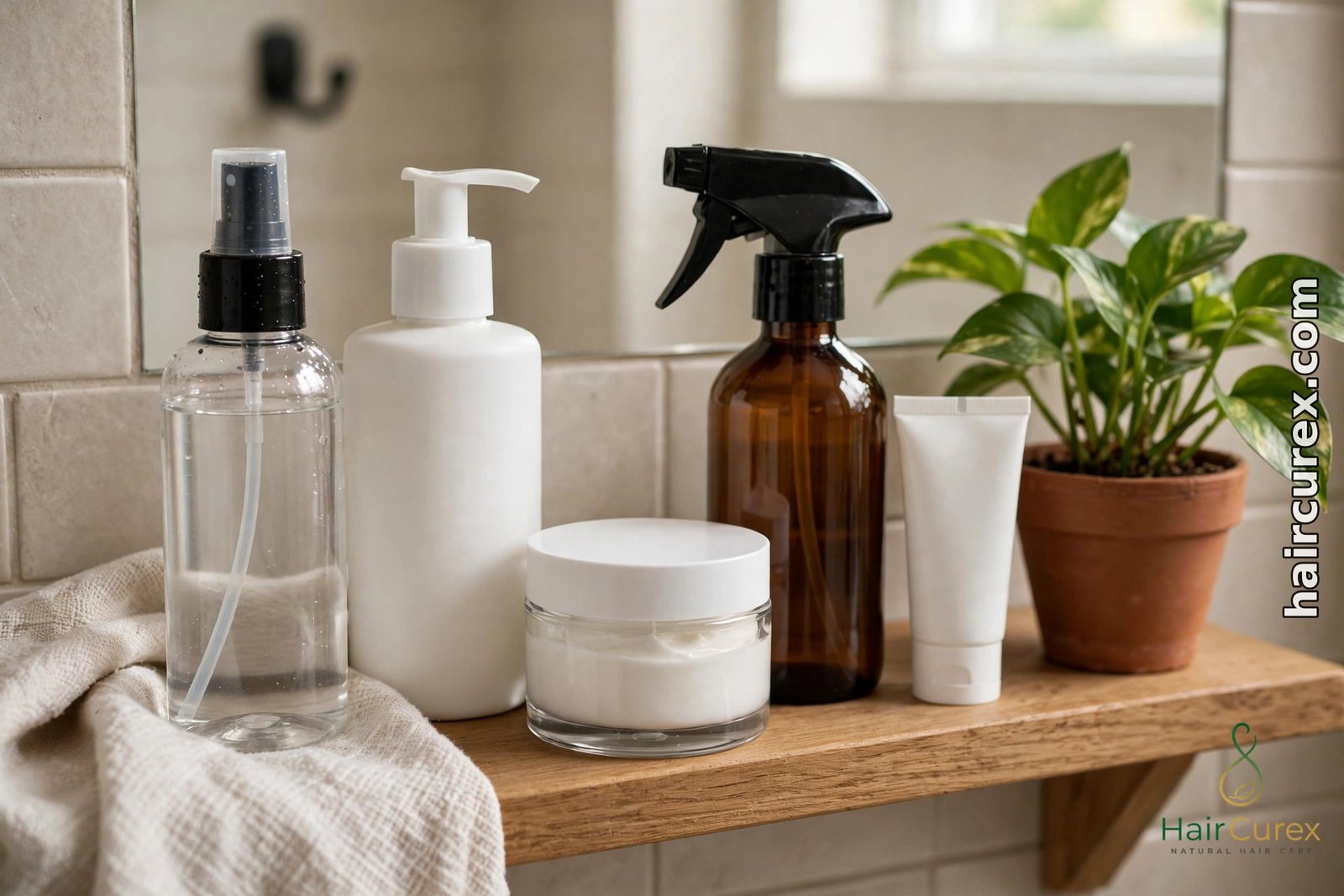
Best Leave-In Conditioners for Curly Hair at a Glance
| Product | Best for | Texture | Watch out for |
|---|---|---|---|
| Kinky-Curly Knot Today | Fine to medium curls, detangling | Thin lotion | Not moisturizing enough alone for very dry hair |
| Cantu Shea Butter Leave-In | Thick, coarse, high-porosity curls | Rich cream | Too heavy for fine or low-porosity hair |
| Briogeo Curl Charisma Defining Crème | 3A–3C curls, frizz | Light cream | May need a gel on top in high humidity |
| SheaMoisture Coconut & Hibiscus Smoothie | Dense, dry curls and coils | Thick butter | Strong fragrance; too heavy for fine hair |
| Mielle Pomegranate & Honey | Medium to thick curls wanting softness | Mid-weight cream | Start small on fine hair |
| Camille Rose Curl Love Moisture Milk | Fine to medium curls, low porosity | Light milk | Not enough alone for very dry coils |
| Aunt Jackie’s Quench | Very dry, coarse, high-porosity hair | Rich cream | Can weigh down fine or low-porosity hair |
| It’s a 10 Miracle Leave-In | Fine curls, waves, refreshing | Light spray | Too light alone for thick, dry hair |
| Ouidad Moisture Lock | Frizz-prone 3A–3C curls | Creamy lotion | Keep off roots if volume is a concern |
How to Apply a Leave-In So It Actually Works
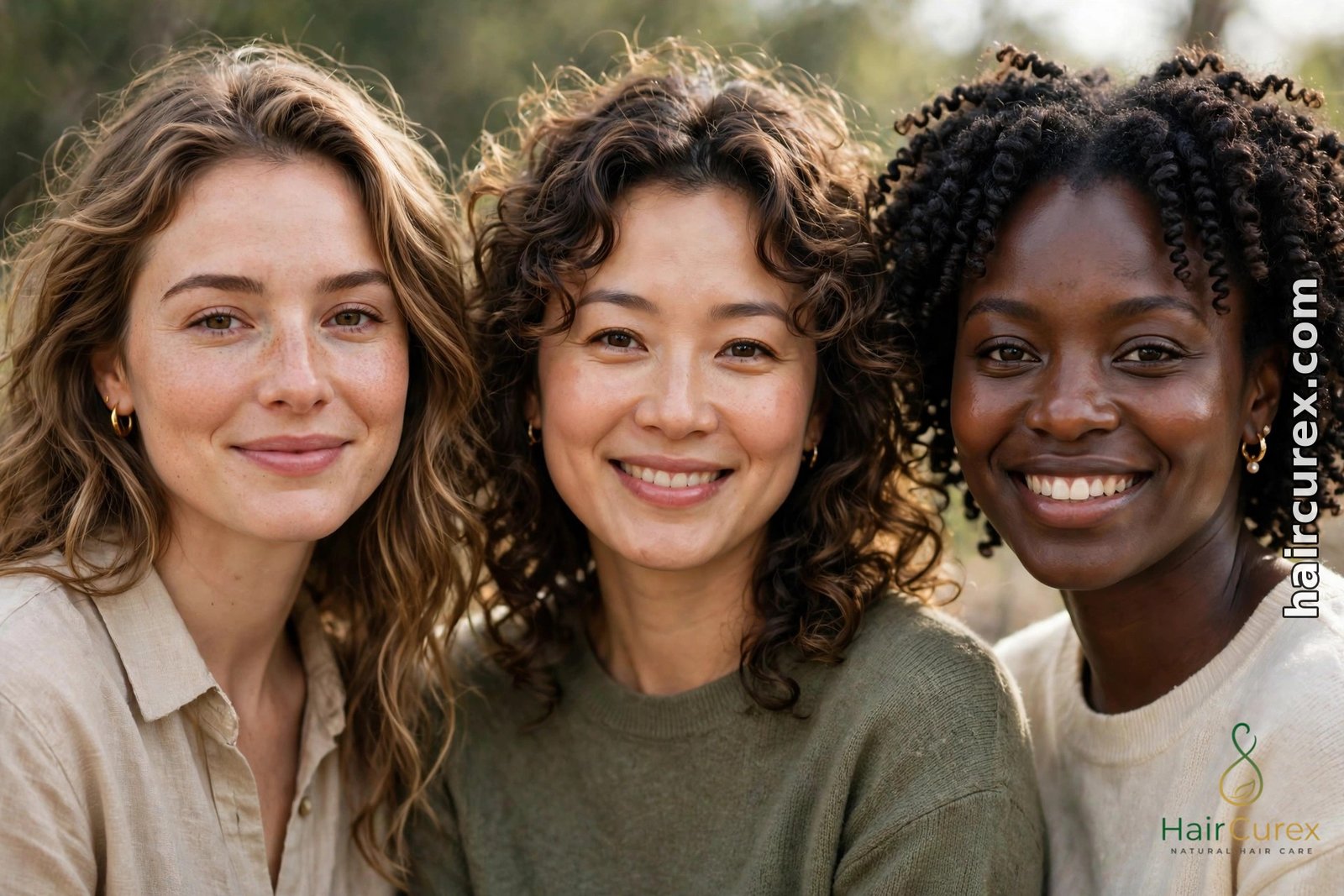
Application matters more than brand. Start with soaking wet hair, straight out of the shower, because leave-ins spread most evenly and lock in the most moisture when the hair is already saturated. Divide your hair into four to six sections — more sections for thicker hair — and work one section at a time. Use a pea-sized amount for fine hair and a coin-sized amount for thick hair per section, rake it through with your fingers, then detangle gently with your fingers or a wide-tooth comb, starting at the ends and working up. Our how to plop curly hair guide shows the next step many curl wearers use: scrunching and plopping to encourage clumps before drying.
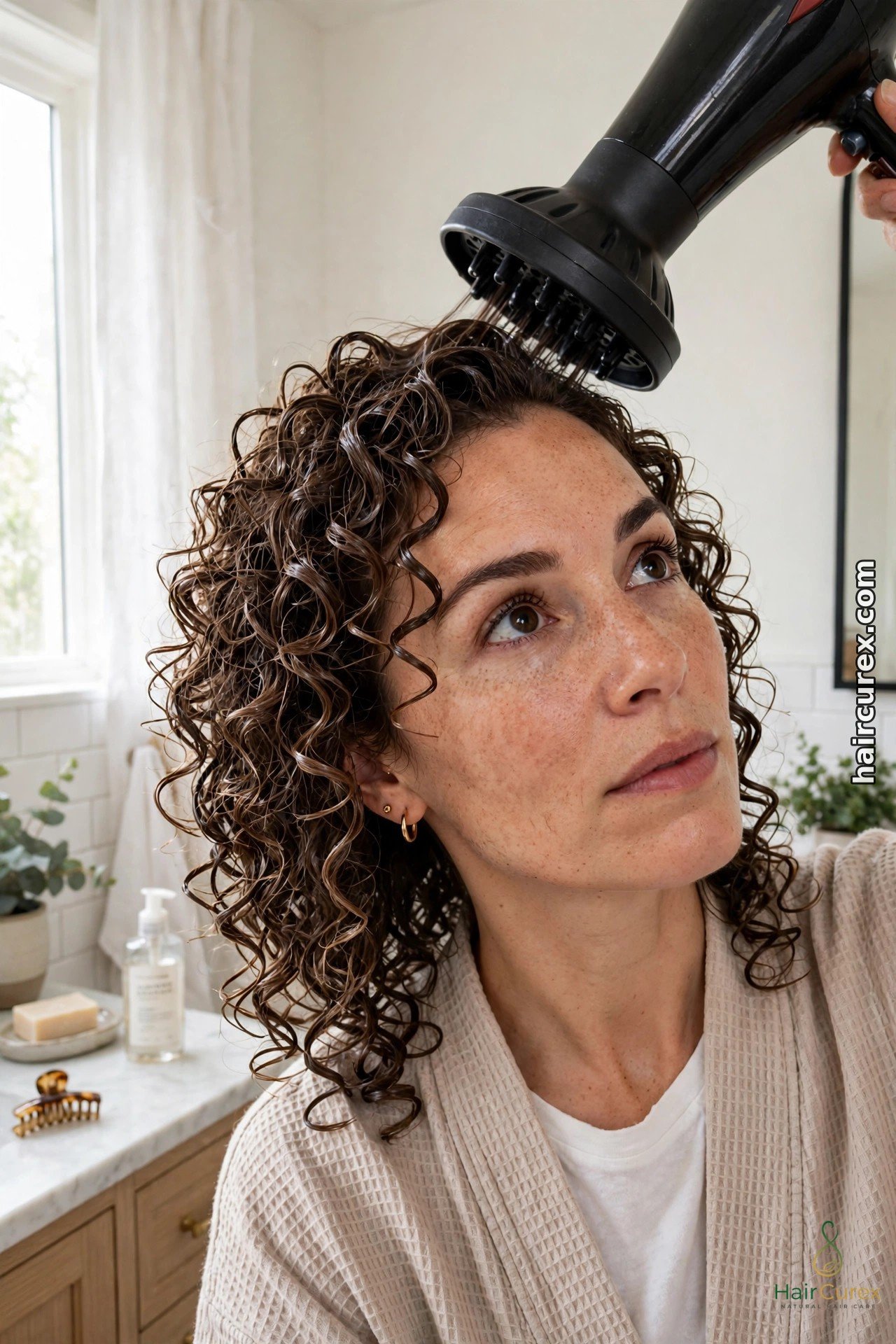
Once the leave-in is in, decide whether you need a styler on top. A leave-in alone gives softness and light definition; a gel on top gives hold and frizz control that lasts longer, especially in humidity. Our curl cream vs gel for wavy hair guide explains when a cream is enough and when a gel earns its place. Scrunch the product in rather than raking it out after application, because scrunching encourages the hair to clump into curl groups. Then either air-dry or diffuse on low heat and low speed, and do not touch your hair while it dries — touching breaks up clumps and creates the frizz you were trying to prevent. If your hair feels crunchy after drying, scrunch out the crunch gently once it is fully dry; the softness underneath is the point of the method.
Refreshing Curls Without Washing Again
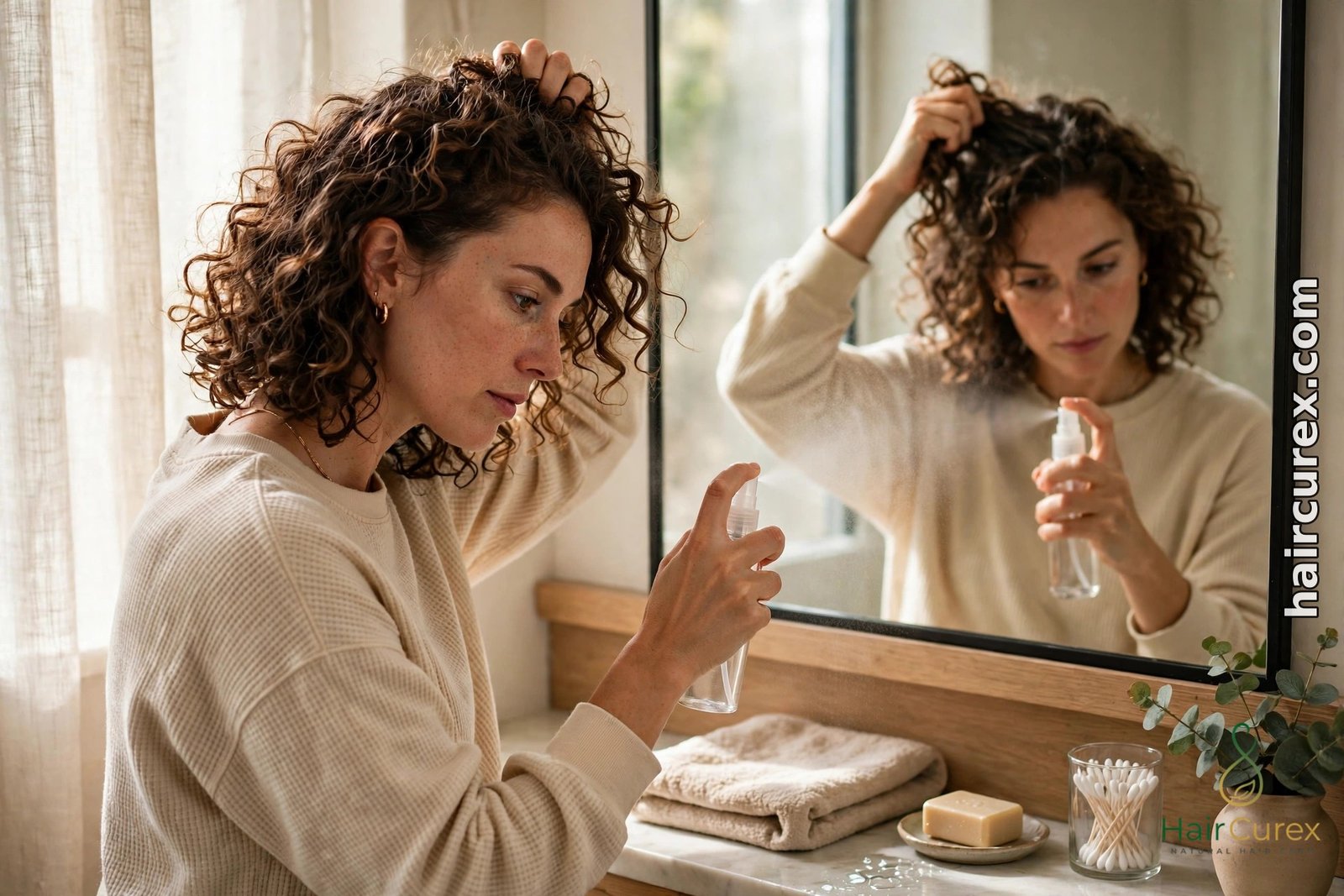
A leave-in earns its keep on non-wash days. To refresh, lightly mist your hair with water until it is damp, not dripping, then smooth a small amount of a light leave-in — a spray or milk works best here — over the frizzy sections and scrunch to reform the curls. Let it air-dry or diffuse briefly, and do not add a full wash-day amount of cream, because refreshed hair already has product on it and a second full layer is how buildup starts. If your refresh days keep getting frizzier, the problem is usually not the leave-in but the wash-day base: too little product on wash day, or a shampoo that strips too much. A gentle shampoo used on the scalp, with conditioner kept on the mid-lengths and ends, gives refresh days a better starting point, as our gentle shampoo guide explains.
5 Mistakes That Make a Good Leave-In Look Bad
First, applying to dry hair. A leave-in on dry hair sits on the surface, looks greasy, and does not distribute, while the same amount on soaking wet hair disappears into the curls. Second, using one big blob for the whole head. Sectioning takes two extra minutes and is the single biggest difference between even, defined curls and a coated outside with a dry inside. Third, putting product on the roots. Leave-in on the scalp and roots flattens volume, speeds up the greasy look, and can contribute to scalp buildup; keep it on the mid-lengths and ends unless the product specifically says otherwise. Fourth, layering too many heavy products. A leave-in plus a cream plus a butter plus an oil is a recipe for dull, weighed-down hair — pick a leave-in and one styler, and add a second layer only if the first has dried and still feels dry. Fifth, never clarifying. Even the best leave-in builds up over weeks, especially silicones and heavy butters, so a clarifying wash every few weeks, followed by a deep conditioner, resets the hair and makes your leave-in work properly again.
When to Check Something Else
A leave-in can improve how curls look and feel, but it cannot fix a scalp problem. If you have itching, flaking, redness, soreness, or hair loss in patches, see a dermatologist rather than trying a new product — the American Academy of Dermatology notes that curly hair is more prone to breakage and dryness, but patchy loss, scalp pain or inflammation are not normal curl problems and deserve an examination. The same applies if shedding suddenly increases, if your hair is breaking off in short pieces all over, or if a new product causes itching, redness or swelling: stop the product, rinse it out, and do not push through a reaction. Patch-testing a new leave-in behind your ear or on your inner forearm for 24 to 48 hours before a full application is a simple habit that catches most reactions early. For preservative questions, the U.S. Food and Drug Administration’s parabens in cosmetics page explains that parabens are common cosmetic preservatives, that cosmetics sold to consumers must list their ingredients, and that the agency continues to review published studies on their safety.
The Bottom Line on Best Leave-In Conditioners for Curly Hair
There is no single best leave-in conditioner for curly hair, because the best one is the one that matches your curl type, porosity and strand thickness — and you now know how to match it. Fine waves and curls: start with a spray or milk, such as It’s a 10 or Camille Rose. Classic 3-type curls: a light to mid-weight cream, such as Briogeo or Mielle, is the most versatile starting point. Thick, coarse or high-porosity curls and coils: a rich cream, such as Cantu, Aunt Jackie’s or SheaMoisture, will give the moisture and definition lighter products cannot. Apply on soaking wet hair, in sections, keep it off the roots, layer a gel only if you need hold, and judge the product after two to four weeks, not one wash day. Done that way, a leave-in stops being another bottle in the shower and becomes the step that makes the rest of your routine work.
Frequently Asked Questions About Best Leave-In Conditioners for Curly Hair
How much leave-in conditioner should I use on curly hair?
Start with a pea-sized amount per section for fine hair and a coin-sized amount per section for thick hair, applied to soaking wet hair in four to six sections. You can always add a second thin layer, but an overloaded first layer is hard to remove without washing again.
Should I use leave-in conditioner every day?
Use a full amount on wash days, and a much smaller amount as a refresher on non-wash days, misted with water first. Using a full wash-day amount every day without washing in between is how buildup, dullness and weighed-down curls develop.
Do I need a gel as well as a leave-in conditioner?
Not always. A leave-in alone gives softness and light definition, which is enough for many waves and loose curls. A gel on top adds hold and frizz control that lasts longer, especially in humidity or for tighter curls that lose definition by midday.
Can leave-in conditioner cause buildup?
Yes, especially heavy creams, butters and silicone-rich formulas used in large amounts without clarifying. Keep the product off your roots, use the smallest effective amount, and clarify every few weeks followed by a deep conditioner to reset the hair.
Is leave-in conditioner good for low-porosity curly hair?
Yes, if you choose a light formula. Low-porosity hair absorbs slowly, so light sprays and milks work better than heavy butters, which tend to sit on the surface and look greasy. Apply to soaking wet hair, in sections, and use a little heat from a shower cap or diffuser to help absorption.
Can I use leave-in conditioner on dry hair?
You can refresh with a small amount on damp hair, but a full application works far better on soaking wet hair, where it spreads evenly and locks in moisture. On fully dry hair, the same amount tends to sit on the surface and look coated rather than moisturized.