

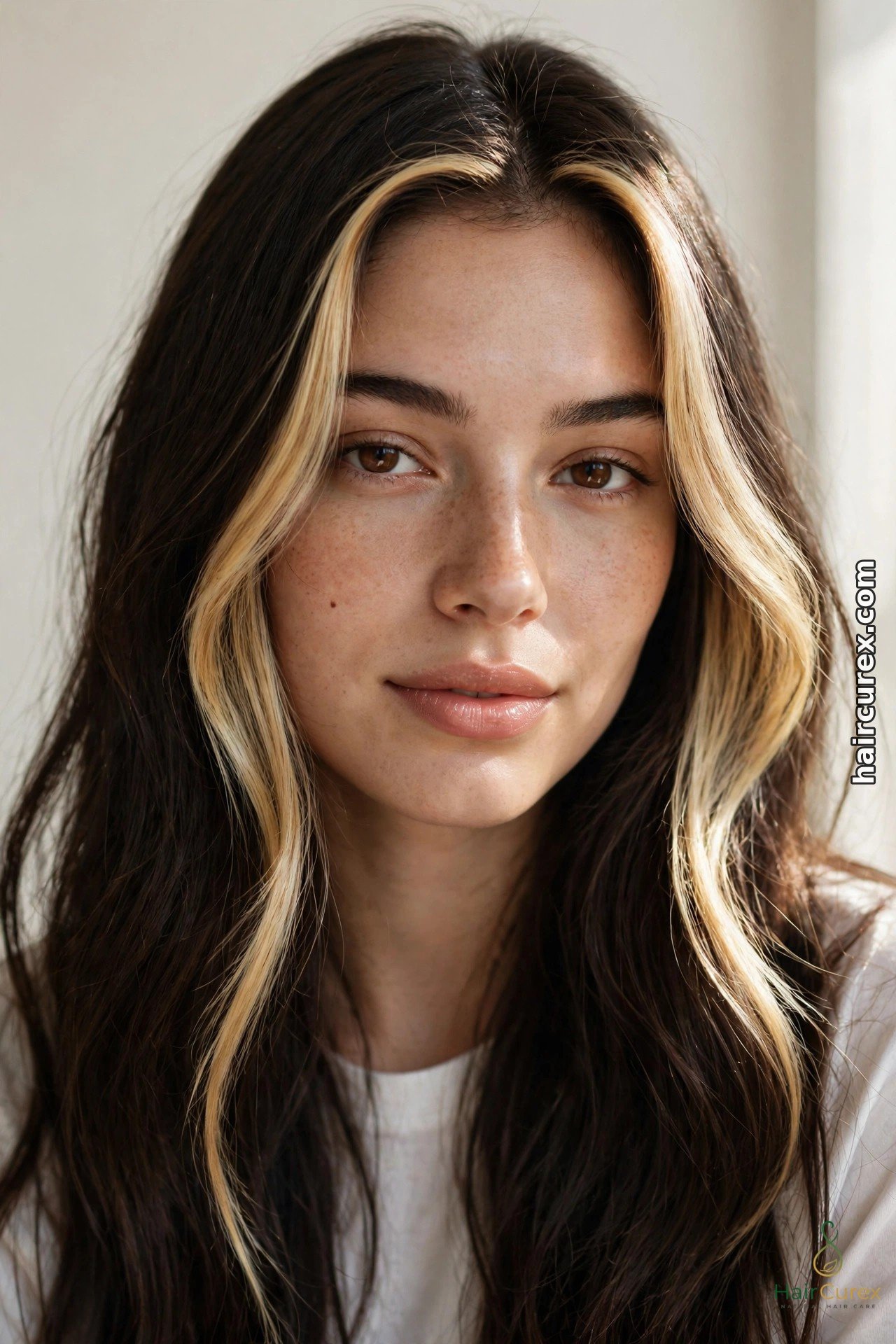
Quick answer: Money piece hair is a coloring technique that lightens — or colors in a bold shade — the two front sections of hair framing your face, usually the first one to two inches on each side of your part, while the rest of your hair stays the same. It brightens your complexion, draws attention to your eyes and cheekbones, and looks expensive, yet it takes less time, costs less, and needs less upkeep than a full head of highlights. It suits almost everyone: what changes is the shade, the width, and the contrast, not whether the technique works.
Before your appointment, bring two or three reference photos, tell your stylist how bright you want it, how often you will come back, and how you normally part your hair.
You have seen it everywhere, even if you did not know its name: those two bright ribbons of color running down either side of the face, framing the eyes and cheekbones like a spotlight. Celebrities, influencers, and the woman in front of you at the coffee shop are all wearing some version of it. The look is called a money piece, and its appeal is simple — maximum visible impact from a very small amount of color. You do not dye your whole head, you do not sit in the chair for four hours, and you do not commit to the upkeep of a full color service. You color the part of your hair that everyone actually sees first.
This guide explains what money piece hair is, how it differs from balayage and ordinary highlights, who it suits, what it costs, and exactly what to say to your stylist so you leave the salon with the look you pictured.
What Is Money Piece Hair?
Money piece hair is a face-framing coloring technique. Your colorist lightens the strands closest to your face — the sections that start at your hairline and run down each side of your part — while the rest of your hair keeps its existing color. Most of the time those front pieces are a few shades lighter than your base, which is why the classic money piece is blonde on brown or dark hair. But the pieces do not have to be blonde: they can be caramel, copper, red, pink, or any vivid color, as long as they contrast with the base and sit right at the front.
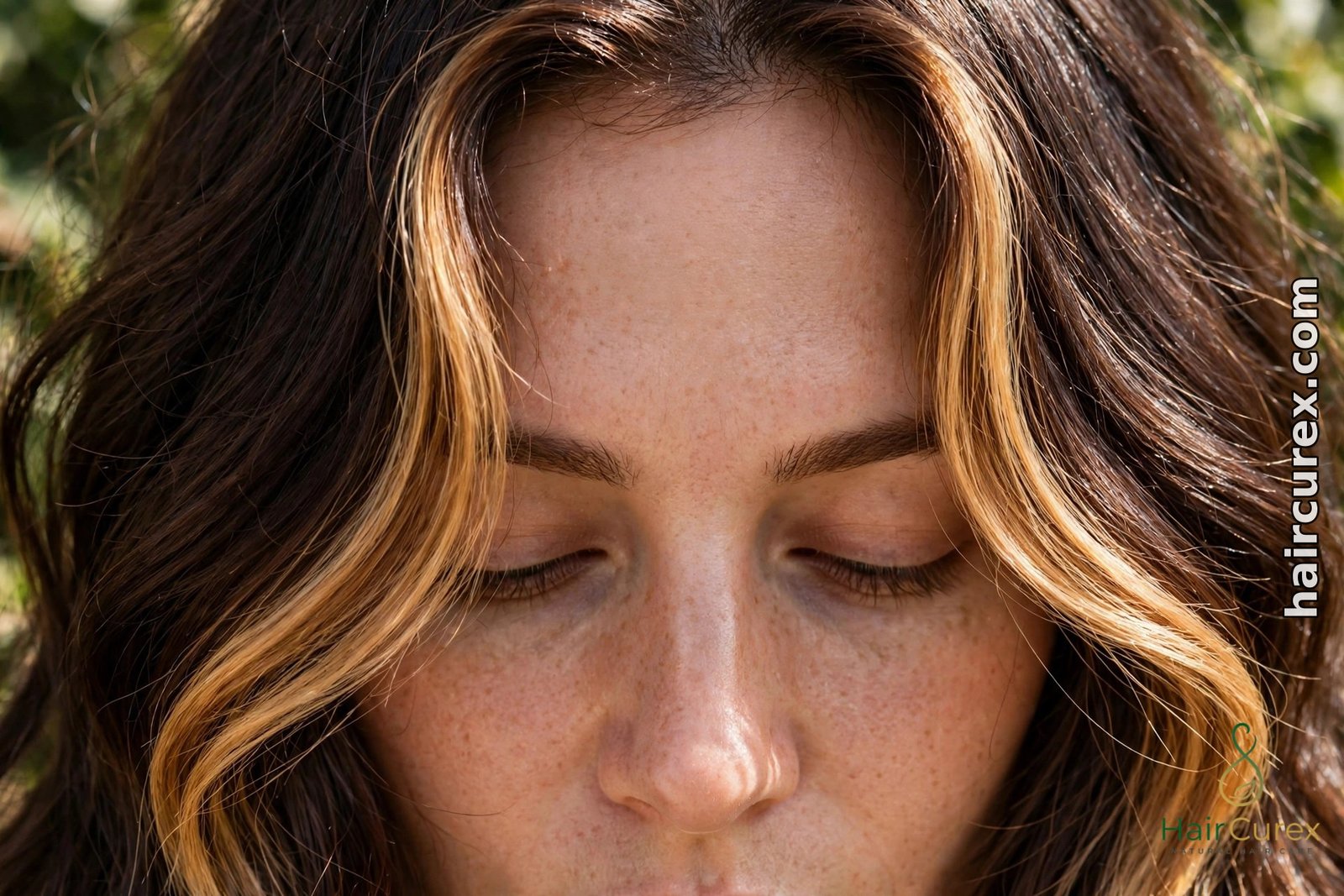
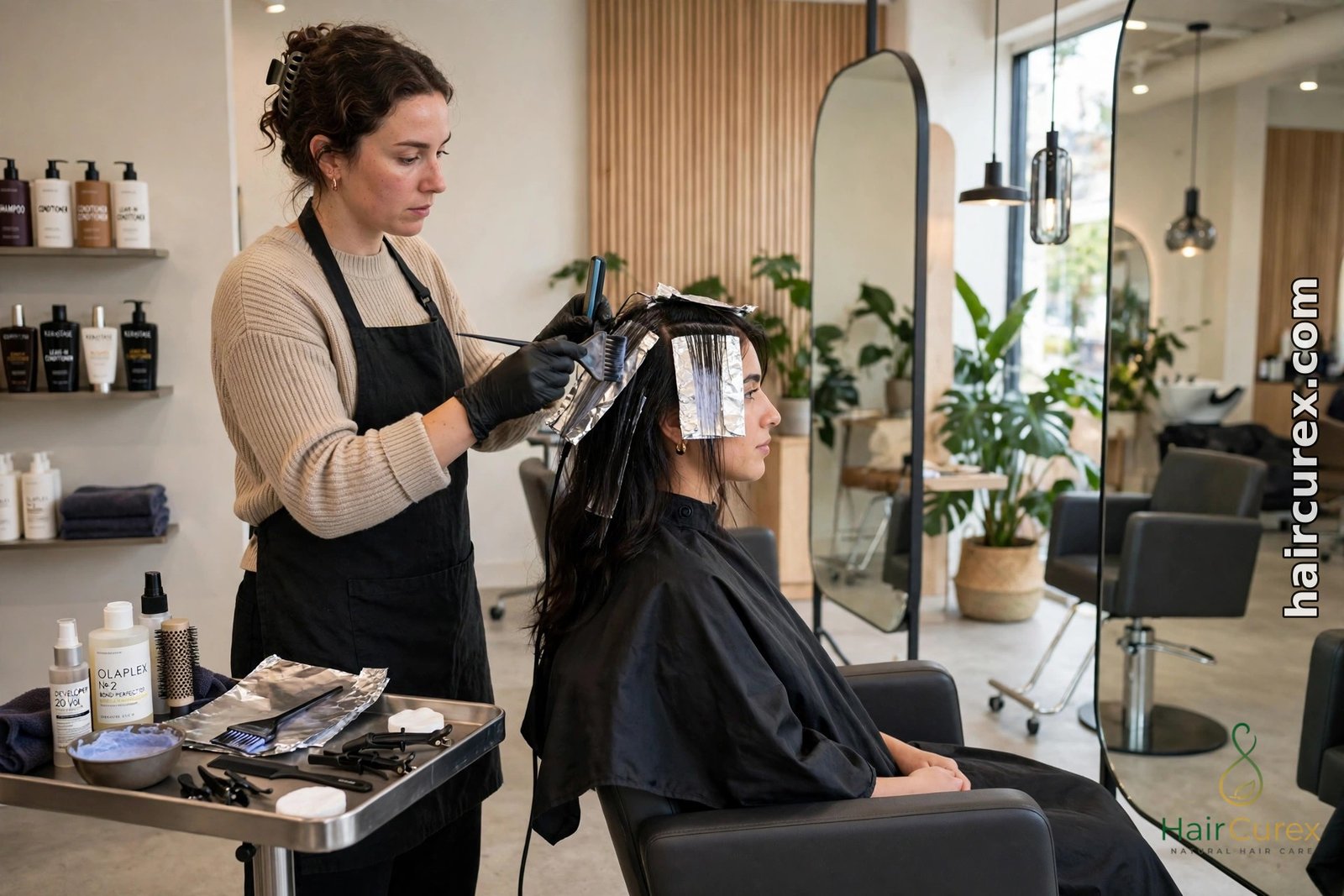
The placement is what defines the technique, not the color. A money piece covers the first one to two inches of hair on each side of your part, from the root to the ends. It is usually placed with foils for a clean, bright result, or hand-painted for a softer, more blended one.
The rest of the head is left alone — or, if you want more dimension, your stylist can add a few soft highlights further back to connect the front pieces to the rest of your hair. But the money piece itself is always at the front, always framing the face, and always the brightest part of the look. That is also why it photographs so well: the brightest color sits exactly where the camera — and everyone you talk to — is looking.
The name comes from the salon world. Colorists call it the “money piece” because it is the part of the color that does the most work for the least effort: a small, relatively quick service that makes the whole hairstyle look polished and expensive. As colorist Natalia Romaniuc told Allure, money piece highlights are “a fuss-free way to change up your look without having to touch the whole head. It’s all about face-framing and contouring the hair” — a description quoted in Glam’s guide to the trend: Glam’s money piece hair guide. The modern version grew out of the chunky face-framing highlights of the 1990s, but today’s money pieces are usually more refined: softer blending at the root, a deliberate width, and a toner chosen to match your skin tone.
Money Piece Hair vs Balayage vs Face-Framing Highlights
Money pieces are often confused with balayage and with ordinary face-framing highlights, and salons sometimes use the terms loosely. They are related techniques, but they are not the same thing — and knowing the difference matters, because it decides what you ask for, what you pay, and how the color grows out.
| Technique | Where the color goes | The effect | Upkeep |
|---|---|---|---|
| Money piece | Only the front 1–2 inches on each side of the part | Bright, defined frame around the face; the brightest part of the look | Touch-up every 6–12 weeks; soft versions grow out gently |
| Balayage | Hand-painted through the whole head, lighter toward the ends | Soft, sun-kissed dimension all over; no harsh lines | Very low; grows out with a soft, natural line |
| Face-framing highlights | Fine, scattered strands around the hairline | Gentle brightness; a whisper of light, not a statement | Low; blends easily as it grows out |
| Full highlights | Foils spread across the entire head | Even, all-over lightness | Highest; visible regrowth every 6–8 weeks |
Think of it this way: balayage is a whole-head technique with a soft finish, and a money piece is a front-only technique with a deliberate pop. A money piece can be added on top of balayage — in fact, that combination is one of the most popular salon requests, because the balayage gives the hair dimension and the money piece gives the face its frame. Our complete guide to balayage hair explains the balayage side of that combination, including colors, cost, and care.
Face-framing highlights, meanwhile, are the gentler cousin of the money piece: thinner, more scattered, and designed to look like sunlight, where a money piece is designed to be noticed. If you want people to see the color, ask for a money piece. If you want them to notice that your hair looks brighter without knowing why, ask for face-framing highlights.
Who Does Money Piece Hair Suit?
Almost everyone. That is the honest answer, and it is also why the technique has stayed popular for years. It works on short and long hair, straight, wavy, and curly hair, and on every base color from black to platinum blonde. What changes is not whether it works, but which version works: the shade, the width, and the contrast. A money piece is a placement, not a single look, and a good colorist adjusts all three to fit you.
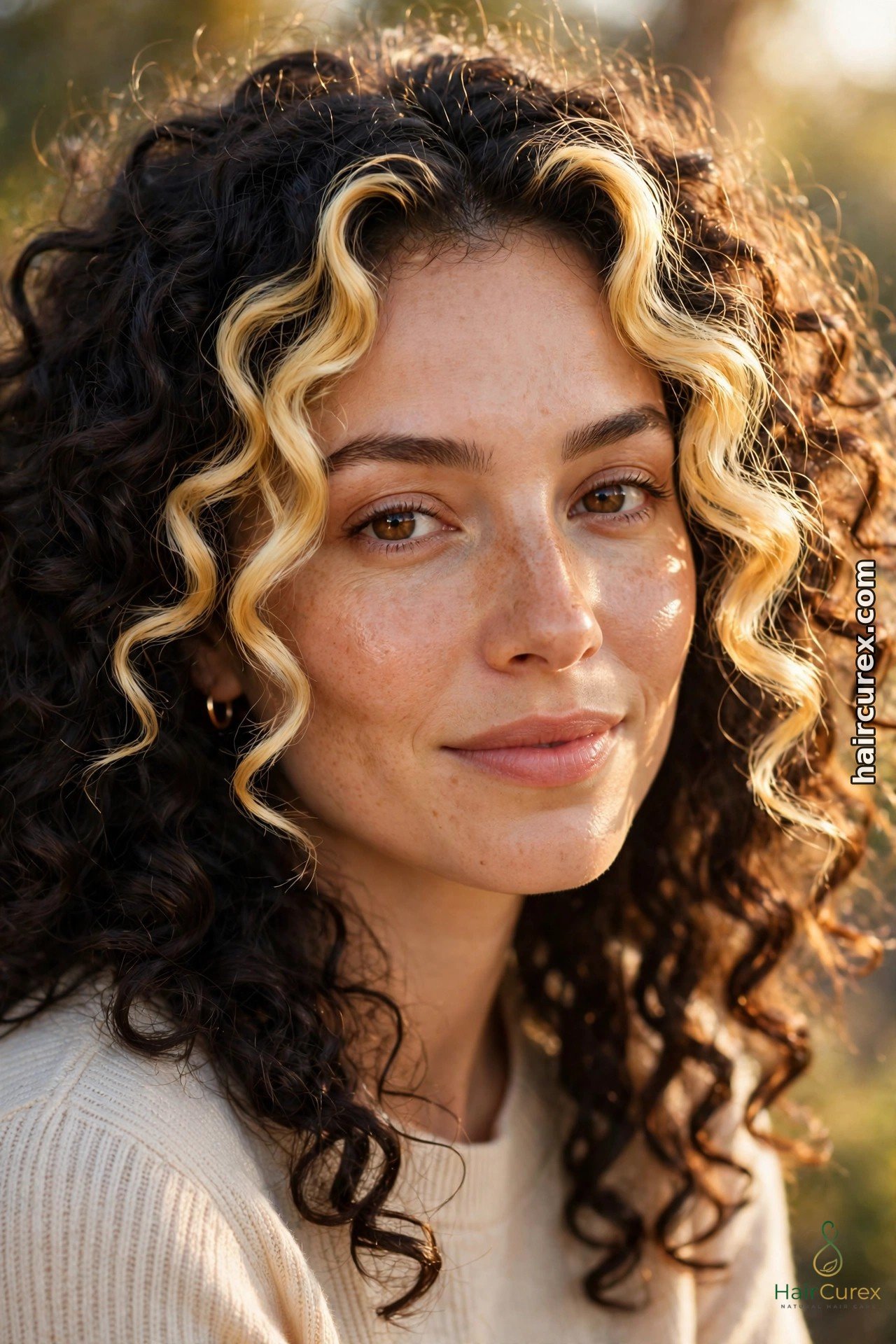
Skin tone matters more than base color. The shade of your money piece should work with your skin’s undertone, not fight it. If gold jewelry looks better on you and your skin leans peachy or golden, you are probably warm-toned: honey, caramel, copper, and golden blonde will look natural and flattering. If silver jewelry suits you better and your skin leans pink or cool, you are probably cool-toned: ash blonde, beige, pearl, and champagne tones will sit better. If both gold and silver look fine, you are likely neutral, and you can wear either direction.
When in doubt, ask your colorist to show you swatches against your face in natural light before committing — a shade that looks perfect on a salon chart can look very different next to your skin.
Hair type changes the width, not the idea. On fine, straight hair, a wide money piece can overwhelm the hair, so a thinner, softer version usually looks better. On thick or curly hair, a wider piece holds its own — curly hair needs a chunkier section because the curl pattern breaks the color into smaller pieces as it springs up, so a thin money piece can disappear entirely once the curls dry. On wavy hair, the pieces catch the light as the waves move, which makes a medium-width money piece look especially dimensional.
Length and parting shape the placement. A money piece works on a bob just as well as on waist-length hair, but the placement has to follow your part. If you wear a center part, the pieces sit symmetrically on each side. If you wear a deep side part, your colorist should place the pieces to match — the piece on the heavier side will be more visible, so it often needs to be slightly wider, and the piece on the lighter side slightly narrower. Tell your stylist how you actually wear your hair day to day, not how you wear it for a special occasion. Color placed for a part you never use will sit in the wrong place every ordinary morning.
Money Piece Hair Ideas by Base Color
The best money piece shade starts from the color you already have. The goal is contrast you can see, without a clash that looks accidental. Here are the combinations colorists reach for most often.
Dark brown or black hair: caramel, chestnut, and copper are the most forgiving choices — two to four levels lighter than the base, warm enough to glow against dark hair, and soft enough to grow out gracefully. A bright blonde money piece on very dark hair looks striking, but it is high contrast, needs more upkeep, and may take more than one session to reach, because dark hair has to be lightened in stages to avoid damage and brassiness.
Brunette hair: honey blonde and golden caramel are the classic choices, and they are the easiest to maintain. Our guide to the best brunette hair shades covers the tones that work with brown bases, and honey blonde is the one that pairs most naturally with a money piece: honey blonde hair shades brighten a brunette base without washing it out.
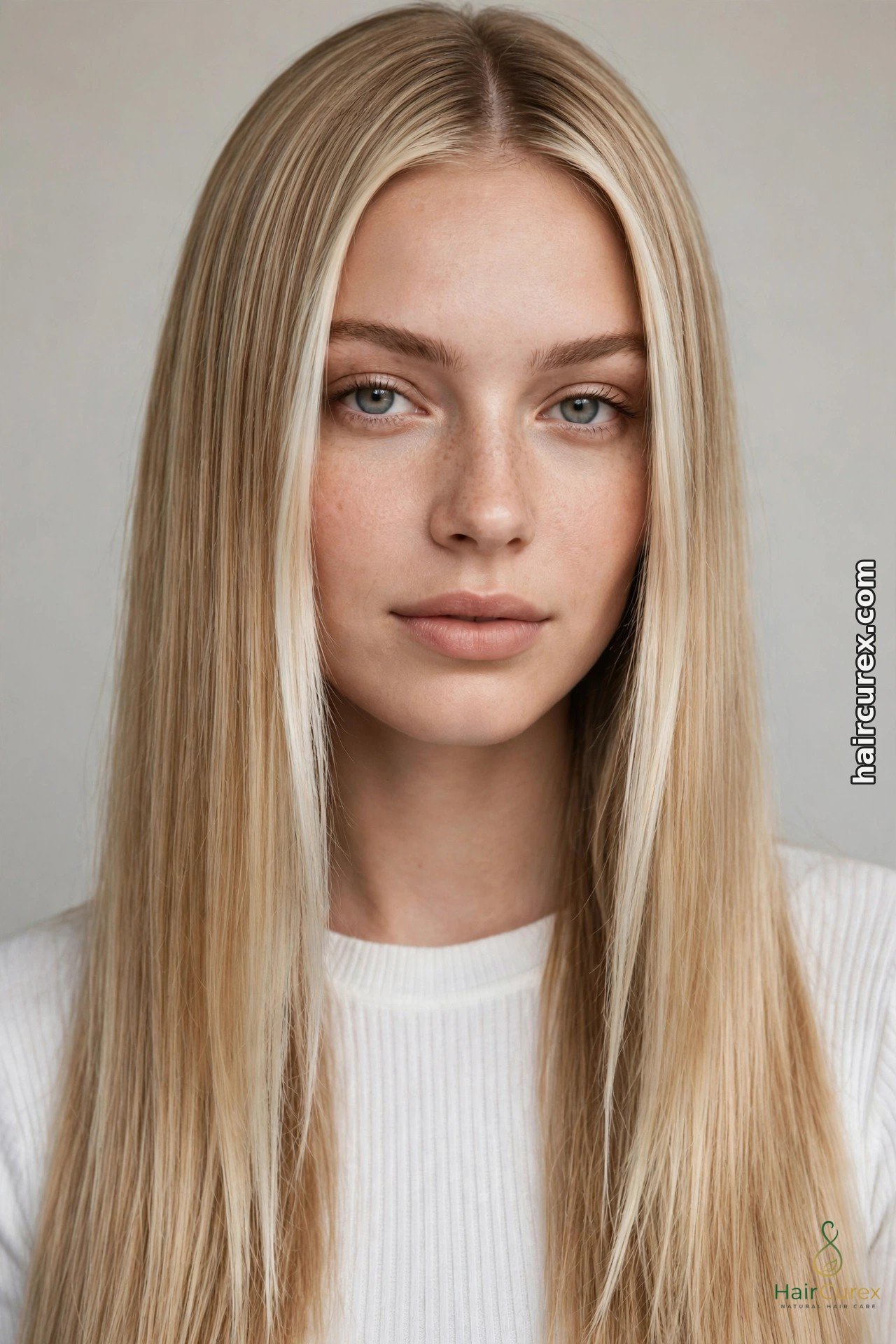
Blonde hair: go tonal rather than dramatically lighter. A champagne, pearl, or baby blonde money piece, just one or two levels brighter than the base, gives blonde hair a lit-from-within glow without looking striped. Platinum pieces on a darker blonde base work too, but they need a purple shampoo routine to stay bright. Our blonde hair guide covers the shades, maintenance, and toning that keep blonde color looking fresh.
Red or copper hair: a copper or strawberry blonde money piece deepens the warmth and makes red hair look richer. A lighter golden piece can also work, but avoid ash tones on red hair — they fight the warmth and can look muddy. Ginger bases take to a money piece beautifully because the front pieces pick up the light and make the whole color look more vivid.
Vivid colors: pink, blue, purple, and red money pieces are the boldest version of the look, and the most forgiving to try, because only two small sections are colored. If you have ever wanted to try a vivid shade without committing your whole head, a money piece is the lowest-risk way to do it. Vivid shades fade fastest, so expect to refresh the color every four to six weeks, and know that pastel and fantasy colors usually need the front sections pre-lightened to blonde first. For visual inspiration across the range, from subtle to bold, see this roundup of 17 face-framing money piece color ideas.
What to Ask Your Stylist
“I want a money piece” is not enough on its own. It could mean a thin whisper of blonde or a thick, bold panel of copper, and your stylist cannot guess which one you mean. The appointment goes well when you arrive with specifics. Here is exactly what to say, and the questions to ask before the color goes on.
Bring two or three reference photos — and one you do not like. Photos do more than words. Bring two or three pictures of money pieces you love, and point to what you like about each one: the width, the brightness, the way it blends at the root. Then bring one photo of a money piece you do not want, so your stylist knows what to avoid. Screenshots from Instagram and Pinterest are fine; your stylist has seen them all before.
Say how bright, how wide, and how blended. Use plain language: “I want it noticeable but blended, not a harsh stripe” or “I want a bold piece that starts close to the root and really pops against my brunette base.” Then agree the details: the width (about one inch looks subtle, about two inches looks bold), where the color starts (at the root, or a little below it for a softer grow-out), and whether it should be hand-painted for softness or foiled for brightness.
Ask about your hair’s limits. Before any lightener touches your hair, ask: can my hair reach this shade in one visit? Will it need a toner or gloss afterwards? How will it grow out, and how often will I need to come back? If your hair is already dry, damaged, or heavily colored, say so up front — lightening compromised hair can cause breakage, and a good colorist will either adjust the plan or tell you to wait. A patch test and a strand test are standard practice before lightening; if your salon skips them, ask for them.
Ask for the price before the service starts. A money piece alone is one of the cheaper color services, but the price depends on your salon, your city, your stylist’s experience, and whether toner, a gloss, a cut, or a blow-dry is included. Get the full quote — service, toner, and styling — before you sit in the chair, so there are no surprises at the till.
How Much Does a Money Piece Cost?
In the US, a money piece alone usually costs between $75 and $200, depending on your location, the salon, and your stylist’s experience. Big-city salons and senior colorists charge more; smaller salons and junior stylists charge less. That range usually covers the lightening and the toner. A cut, a blow-dry, or a gloss treatment is often extra, so confirm what is included in the quote.
Compared with other color services, money piece hair is good value: a full head of highlights can cost $150 to $350 or more, and a full balayage often runs $150 to $300-plus. You are paying for a small section, a shorter appointment (often 60 to 90 minutes instead of three to four hours), and less product. The maintenance costs are lower too, because you are only refreshing two small sections.
A soft, blended money piece can go 10 to 12 weeks between visits; a bold, high-contrast one usually needs a refresh every 6 to 8 weeks, plus a gloss in between to keep the tone fresh. These are US ranges, not fixed prices — always confirm a quote with your own salon before booking.
How to Maintain Money Piece Hair
Money piece hair is low maintenance for a color service, but “low” is not “none.” The front sections are the most visible part of your hair, so they show fading and brassiness first. A small routine keeps them looking deliberate instead of neglected.

Wash with color-safe, sulfate-free shampoo and cool or lukewarm water — hot water opens the cuticle and lets color wash out faster. Wash less often if you can; two or three washes a week is plenty for most people, with dry shampoo on the days between.
Use a toning product if your pieces are blonde. A purple shampoo once a week keeps blonde money pieces from turning brassy, and a blue shampoo does the same job for brunette pieces that are pulling orange. Do not use purple shampoo every wash — it can dull the color and dry the hair. Once a week, left on for three to five minutes, is the usual rhythm.
Protect it from heat and sun. Heat styling fades color, so use a heat protectant every time you use a straightener or curling iron, and keep the temperature as low as you can. Sun lightens and dries colored hair, so a hat or a UV-protectant spray helps in summer. Chlorine is the other enemy: wet your hair with clean water before swimming, and rinse it straight after, so it absorbs less pool water.
Book a gloss between color visits. A clear or toned gloss every six to eight weeks refreshes the shine and the tone of your money piece hair without a full re-color. It is cheaper than a touch-up, takes about 20 minutes, and is the single easiest way to keep the pieces looking fresh between appointments.
Lightening always changes the hair, even in a small section, so treat the front pieces gently. The American Academy of Dermatology’s healthy hair guidance covers the basics that matter most after any color service — gentle handling, washing to suit your hair type, and protecting hair from heat and harsh treatments: AAD healthy hair tips. If the pieces start feeling dry or rough, a weekly deep-conditioning mask on the front sections alone is usually enough to bring them back.
Can You Do a Money Piece at Home?
You can, and many people do, because the sections are at the front where you can see them. But “can see it” is not the same as “can do it well.” Bleach at the front of your hair is the most visible place to make a mistake: an uneven application shows immediately, a stripe that turns orange is hard to hide, and overlapping lightener onto already-lightened hair causes breakage. If you have never lightened hair before, have dark hair that needs several levels of lift, or have previously colored or damaged hair, a professional is the safer choice.
If you do try it at home, the rules are: do a strand test first, use a kit made for highlighting rather than all-over bleach, keep the sections narrow and even, do not overlap lightener onto hair that is already light, and follow with a toner — untoned lightener almost always looks brassy.
If the result turns orange or patchy, do not bleach it again the same day; that is how breakage happens. See a colorist for a correction instead. And if you use semi-permanent color for a vivid money piece, check whether it will wash out or stain — some vivid dyes linger for weeks, which is fine if you love the shade and a problem if you do not. Our comparison of semi-permanent vs permanent hair dye explains which type suits a first try and which one commits you for months.
Money Piece Hair Mistakes to Avoid
Going too wide, too soon. A money piece that is too thick overwhelms the face and looks like two stripes rather than a frame. Start narrower than you think — your colorist can always widen it next time, but a too-wide piece has to grow out or be corrected.
Choosing a shade that fights your skin tone. A cool ash blonde on warm skin, or a brassy gold on cool skin, makes the color look separate from you instead of part of you. Check the shade against your face in natural light before the appointment, not under salon spotlights.
Forgetting your part. Color placed for a center part looks wrong on a side part, and vice versa. Show your stylist how you actually part your hair, and how you wear it up — a money piece should still frame your face when your hair is in a ponytail, not disappear into it.
Skipping the toner. Lightener alone rarely gives the shade you pictured. The toner is what sets the final tone — warm, cool, or neutral — and skipping it is the most common reason a money piece turns brassy within a week.
Treating it as damage-free. Money piece hair is a smaller service, not a no-damage service. The front sections are still lightened, and lightened hair still needs gentler washing, heat protection, and regular conditioning. The smaller the section, the easier the care — but the care is still needed.
Frequently Asked Questions
What is money piece hair?
Money piece hair is a coloring technique that lightens, or colors in a bold shade, the two front sections of hair framing your face — usually the first one to two inches on each side of your part — while the rest of your hair stays the same. It brightens your complexion and draws attention to your eyes and cheekbones without coloring your whole head.
Who does money piece hair suit?
Almost everyone. It works on short and long hair, straight, wavy, and curly hair, and on every base color. What changes is the shade, the width, and the contrast: warm skin tones suit honey, caramel, and copper; cool skin tones suit ash, beige, and pearl blonde; curly and thick hair usually needs a wider piece than fine, straight hair.
How much does a money piece cost?
In the US, money piece hair alone usually costs between $75 and $200, depending on your location, the salon, and your stylist’s experience. Toner is usually included; a cut, blow-dry, or gloss is often extra. A soft, blended money piece can go 10 to 12 weeks between visits, while a bold, high-contrast one usually needs a refresh every 6 to 8 weeks.
Is a money piece the same as balayage?
No. Balayage is a hand-painted technique spread through the whole head, giving soft, sun-kissed dimension all over. Money piece hair is a front-only technique: just the two sections framing your face, deliberately brighter than the rest. The two are often combined — balayage for all-over dimension, plus a money piece to frame the face.
How long does a money piece last?
Money piece hair lasts 6 to 12 weeks before it needs a touch-up, depending on how bold it is and how fast your hair grows. Soft, blended pieces with a root shadow grow out gently and can last up to 12 weeks. Bold, high-contrast pieces that start at the root show regrowth sooner and usually need refreshing every 6 to 8 weeks, with a gloss in between to keep the tone fresh.
Can you do a money piece at home?
You can, because the sections are at the front where you can see them, but bleach at the front is also the most visible place to make a mistake. Do a strand test first, use a highlighting kit, keep the sections even, and always follow with a toner. If your hair is dark, previously colored, or damaged, or you want several levels of lift, a professional colorist is the safer choice.