

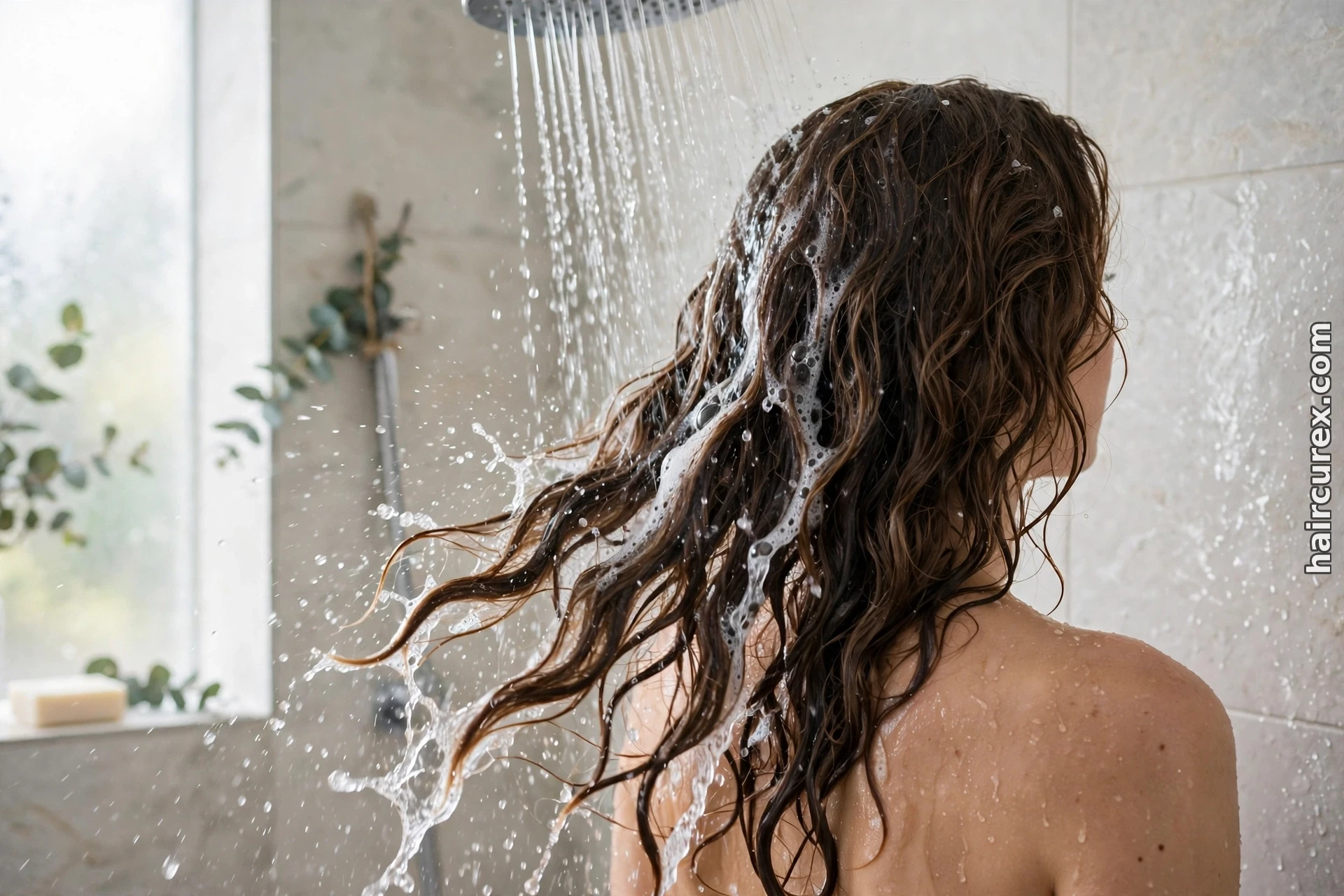
Quick answer: Water-soluble hair products are made with ingredients that dissolve or disperse in water, so they rinse out cleanly with water alone or a gentle shampoo. That means less residue, less dullness and weighed-down roots over time, and an easier wash day — especially for curly, coily, or fine hair. They are not magic, and they are not always best for every style, but if your hair often feels coated or like products have stopped working, switching to more water-soluble formulas is one of the most practical changes to test first.
“Water-soluble” is a real benefit, but it describes chemistry, not quality. A water-soluble ingredient mixes with water and washes away; a water-insoluble one needs a stronger cleanser or repeated washing to remove. Over weeks of styling, that difference shows up as buildup: dull, waxy-feeling hair that loses volume and stops absorbing conditioner.
What Are Water-Soluble Hair Products?
Water-soluble hair products are products whose key conditioning and styling ingredients can be removed by water, or by water plus a mild shampoo. They are not quite the same as “water-based” products: a product can be mostly water in the bottle yet contain a heavy wax or silicone that stays behind after rinsing. What matters is whether the ingredients that coat, hold, or smooth your hair dissolve when they meet water.
Think of washing a plate: a water-soluble sauce rinses off under the tap, while grease needs soap and scrubbing. Water-soluble conditioners and stylers are designed to leave the hair after rinsing; heavier oil- or silicone-based formulas are designed to stay put — useful for shine and hold, but also why they accumulate if never properly removed.
A peer-reviewed review of silicones in hair care makes the same distinction: water-insoluble silicones such as dimethicone can accumulate if not properly cleansed, while water-soluble silicones rinse out more effectively.

Which Ingredients Are Water-Soluble — and Which Are Not?
Most water-soluble ingredients either love water by nature — humectants such as glycerin and panthenol, and light plant extracts — or they have been modified to mix with water, usually by adding a PEG or PPG group. That PEG prefix is one of the most useful clues on a label.
On the other side are ingredients built to repel water: plain dimethicone, heavy waxes, petrolatum, mineral oil, and thick butters. They seal in moisture and hold styles well, but they need a surfactant — the cleansing agent in shampoo — to lift them off. A gentle, sulfate-free shampoo may only partly remove them, so daily users of heavy products sometimes need a clarifying wash.
| Ingredient or product type | Water-soluble? | How it washes out | Best for |
|---|---|---|---|
| Glycerin, panthenol, aloe, light plant extracts | Yes | Rinses out with water | Daily moisture without weight |
| PEG-modified silicones (PEG-12 dimethicone, dimethicone copolyol) | Yes | Water or gentle shampoo | Light slip and shine without buildup |
| Water-soluble styling polymers (PVP, VP/VA copolymer in many gels) | Mostly yes | Water or gentle shampoo | Flexible hold, easy refresh days |
| Plain dimethicone, amodimethicone, phenyl trimethicone | No | Stronger or clarifying shampoo | Heavy smoothing, frizz control, heat protection |
| Waxes, petrolatum, mineral oil, heavy butters | No | Shampoo, sometimes clarifying shampoo | Sealing very dry hair, strong-hold pomades |
| Volatile silicones (cyclopentasiloxane) | No, but evaporates | Mostly evaporates as hair dries | Lightweight slip with little residue |
Two cautions: “water-soluble” does not mean “weak” — a good water-soluble gel can give strong curl definition. And position matters: an ingredient near the end of the list is present in a small amount and less likely to cause buildup than the same ingredient listed second or third.
Why Water-Soluble Hair Products Matter for Buildup
Buildup is a layer cake of leftover styling product, scalp sebum, hard-water minerals, and dead skin on the hair shaft and scalp. The result is familiar: hair that feels coated even right after washing, roots that go flat by midday, curls that lose spring, and dull color. Products that “stop working” are often just sitting on an old film instead of reaching the hair underneath.
Water-soluble products reduce one major layer of that cake, because they rinse away instead of stacking up wash after wash — a big help if you style daily but shampoo only twice a week. They do not prevent all buildup, though: sebum, hard water, and heavy oils from other products can still accumulate. Our guide to detox shampoo explains when a deeper cleanse is genuinely useful and when it is overkill.
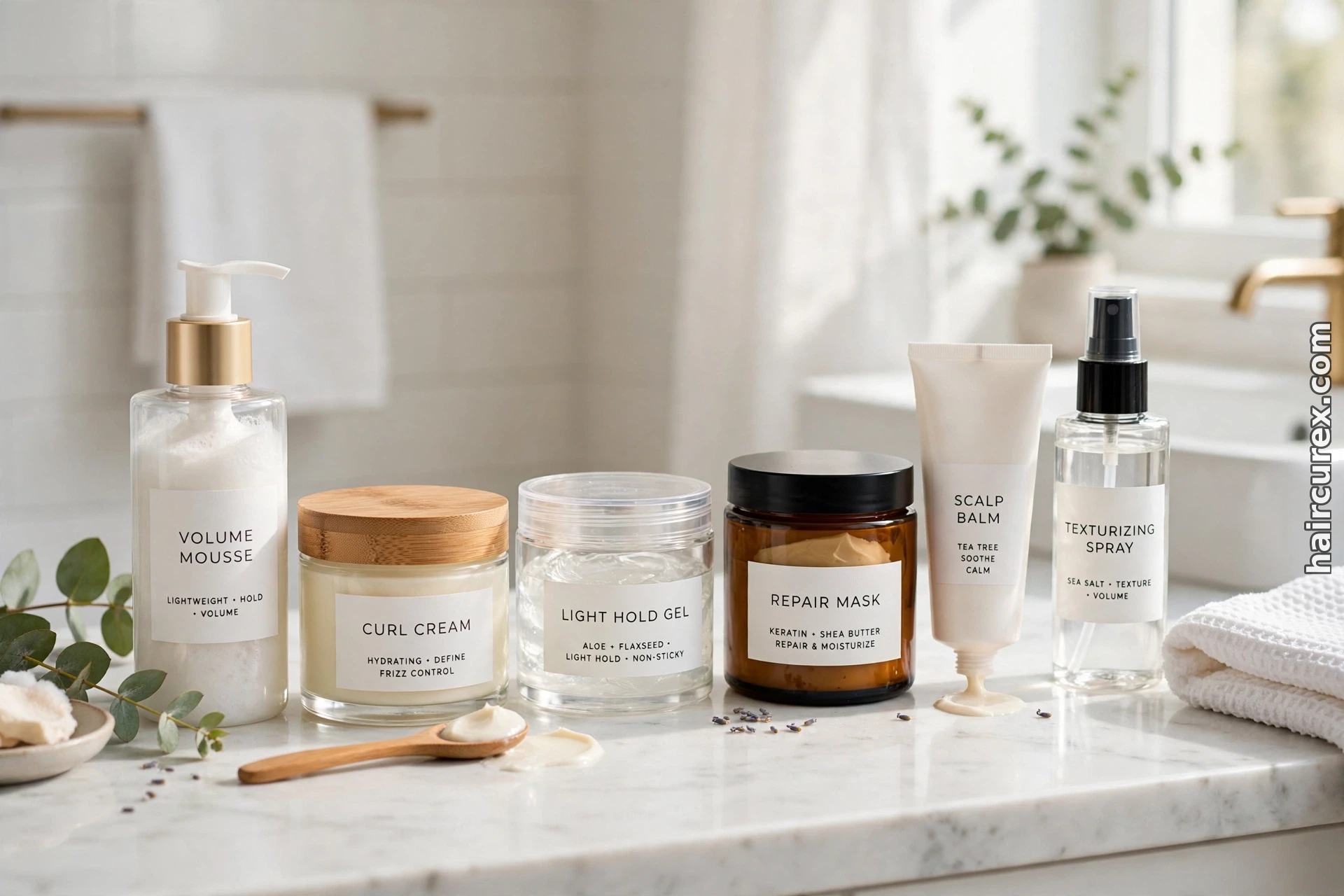
How Do Water-Soluble Products Help Curly and Coily Hair?
Curly and coily hair benefits because moisture needs to get in. Curls are naturally drier than straight hair, since scalp oils travel less easily down a curved strand. A heavy, water-insoluble film can seal the surface but also block the next conditioner, leave-in, or water from penetrating, so curls can feel coated and dry at the same time.
Water-soluble conditioners, curl creams, and gels let you layer without that sealing problem. You can refresh curls with water on day two or three and reapply a light cream for definition, because yesterday’s product is not forming a barrier. This also makes co-washing more workable, since a conditioner wash can remove water-soluble stylers but often struggles with heavy waxes and silicones. Our co-washing guide explains who it suits.
Dermatologists advise washing curly hair only when needed, choosing a moisturizing shampoo made for curly hair, and clarifying first if you regularly use gels, oils, creams, or pomades. See the American Academy of Dermatology’s curly hair tips from dermatologists, and our guide to the correct order for curly hair products, before you start layering.
What About Fine Hair?
Fine hair shows buildup faster than thick hair, because each strand has less weight to carry a film. Residue invisible on thick, coarse hair can make fine hair look flat, stringy, or greasy at the roots — which is why fine hair often benefits most from water-soluble products, giving slip and light definition without the coating that kills volume.
Apply conditioner and stylers mainly from mid-length to ends, not on the roots. Use less than you think you need, choose lighter textures over thick butters or heavy pomades, and rinse for an extra 30 seconds. An occasional heavier serum before heat styling is still fine, if used sparingly and washed out properly next wash day.
How to Check an Ingredient List in 60 Seconds
- Look for the PEG clue. Ingredients starting with PEG or PPG, such as PEG-12 dimethicone or dimethicone copolyol, are usually water-soluble versions of silicones that rinse out far more easily than plain dimethicone.
- Watch for plain “-cone” and “-xane” endings near the top. Dimethicone, amodimethicone, cyclopentasiloxane, and phenyl trimethicone in the first few ingredients mean a heavier, water-insoluble formula — not a reason to reject it, but a reason to plan a proper shampoo for it.
- Check waxes and oils. Beeswax, carnauba wax, petrolatum, mineral oil, and lanolin are water-insoluble. Shea butter and coconut oil are also not water-soluble, though in small amounts in a rinse-out conditioner they are far less of a problem than in a heavy leave-in.
- Note the position. Ingredients are listed in descending order. A heavy ingredient at the end of a long list is a minor player; the same ingredient in second place defines the product.
- Read the whole routine, not one bottle. A water-soluble gel layered over a heavy butter is still a heavy routine. Buildup comes from everything you use.
If a brand claims “water-soluble” on the front of the bottle, check the list. Some brands use it loosely to mean “rinses out with shampoo,” which is true of almost everything. The stricter meaning — rinses out with water or a gentle shampoo — is the one used here.
How Do Water-Soluble Products Fit a Wash-Day Routine?
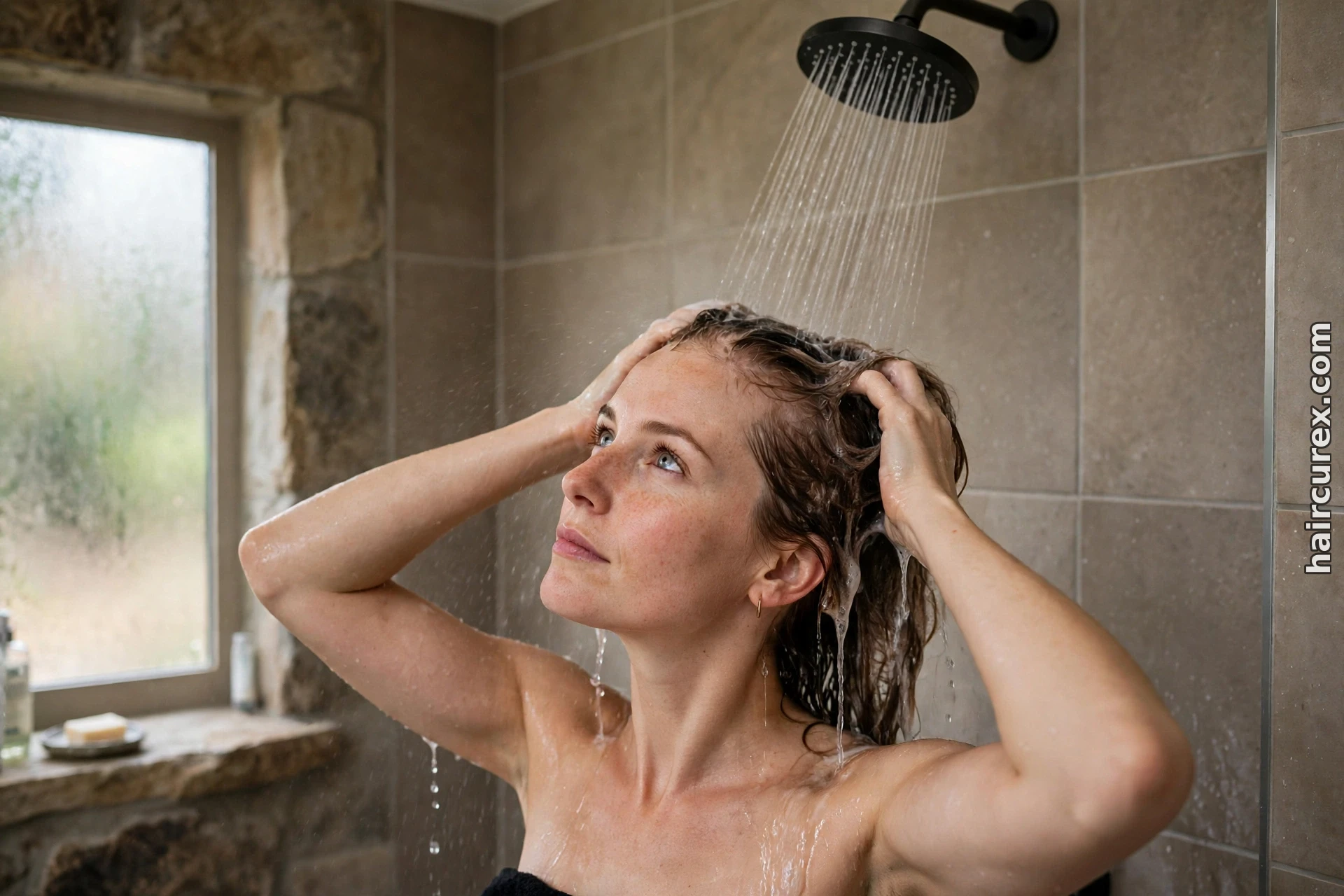
- Cleanse for your scalp, not your lengths. Apply shampoo mainly to the scalp, massage gently, and let the suds run down the lengths as you rinse. See our hair washing guide for technique in more detail.
- Condition on soaking-wet hair. Detangle gently with fingers or a wide-tooth comb while conditioner is in, then rinse thoroughly.
- Layer light to heavy. Leave-in first, then cream, then gel if you use one. Water-soluble products layer cleanly in this order because each one can still reach the hair.
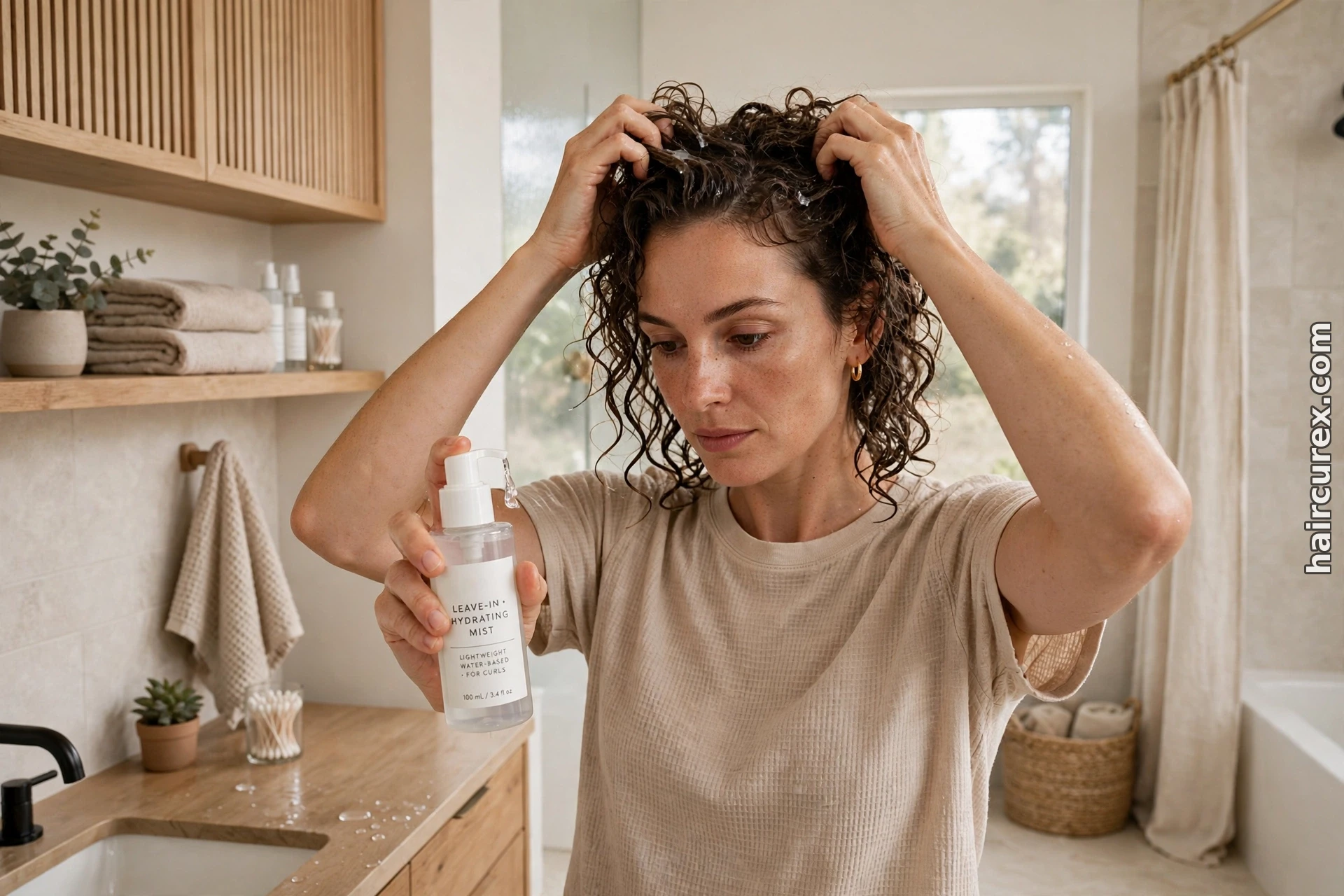
- Refresh, don’t re-coat. On non-wash days, mist with water first, then add a small amount of cream or gel only where needed — refresh days actually work instead of adding another layer on top of yesterday’s product.
- Clarify on a schedule, not out of panic. Even a mostly water-soluble routine benefits from a clarifying wash every few weeks — more often if you use heavy products, swim regularly, or have hard water. Clarify, then follow with a good conditioner.
The same logic applies to curl creams: a water-soluble cream can be reactivated with water the next day, while a heavy, waxy cream often needs a full wash to restyle. Compare textures in our roundup of the best curl creams.

Are Water-Soluble Products Always Better?
No, and the trade-offs are worth stating plainly. Hold and humidity come first: water-soluble gels and creams can lose hold faster in rain or high humidity, precisely because water dissolves them. If a style must survive a humid day or a long event, a stronger, less soluble product may hold up better — a reasonable trade, as long as you wash it out properly afterwards.
Frizz and heat protection are another case for heavier products: heavy silicones and oils smooth the cuticle, reduce friction during heat styling, and block humidity. For very coarse, high-porosity, or frequently heat-styled hair, a heavier product used occasionally may give a smoother result.
Color-treated hair is more mixed. Water-soluble products are often gentler on color because they need less aggressive washing, but some are reactivated by water, which matters for vivid fashion colors that bleed with every rinse. If color fades fast, wash less often and use cooler water. Very dry or coarse hair may also need a sealing product in winter; a water-soluble routine plus a little heavier product on the ends often beats either extreme alone.
The practical rule is simple: let water-soluble be your everyday default, and let heavier products be tools you reach for with a purpose and a wash plan.
Frequently Asked Questions
What does water-soluble mean on a hair product label?
It means the product’s key ingredients dissolve or disperse in water and rinse out with water or a gentle shampoo, rather than needing a strong cleanser. Checking the ingredient list — especially for PEG-modified silicones versus plain dimethicone and waxes — tells you more than the front of the bottle.
Are water-soluble silicones really water-soluble?
Yes, in the practical sense that matters. Silicones modified with PEG or PPG groups, such as PEG-12 dimethicone and dimethicone copolyol, disperse in water and rinse out with a normal wash, unlike plain dimethicone. They still give slip and shine, but are far less likely to stack up.
Do water-soluble hair products cause less buildup?
Generally, yes — they remove one major source of buildup, which is leftover styling and conditioning ingredients. They do not prevent buildup from sebum, hard water, or heavy products elsewhere in your routine, so an occasional clarifying wash is still useful.
Are water-soluble products good for curly hair?
They are often an excellent fit for curly and coily hair, because they let moisture and later products reach the hair instead of sitting on a heavy film, and they make day-two and day-three refreshes workable with just water and a small amount of product.
Can I use water-soluble products if I co-wash?
Yes — co-washing works best with water-soluble products. A conditioner wash can remove water-soluble stylers, but often cannot fully remove heavy waxes, petrolatum, or plain silicones. If co-washed hair starts feeling weighed down, switching stylers to water-soluble formulas is usually the first fix to try.
Will water-soluble products work for fine hair?
Fine hair is one of the best candidates, because it shows buildup quickly and loses volume easily under heavy films. Choose light, water-soluble textures, apply mainly from mid-length to ends, rinse thoroughly, and use a small amount. You should notice better root lift compared with heavy butters and pomades.
Do I still need a clarifying shampoo if I use water-soluble products?
Most people do, just less often. Clarifying removes sebum, hard-water minerals, and residue from any heavier products you use occasionally, and it resets the hair so regular products work properly again. Every few weeks is enough for most routines.
Final Thoughts
Water-soluble hair products are not a cure for every hair problem. They are a practical tool: ingredients that rinse out cleanly, so wash days start closer to clean, curls can be refreshed without a full wash, and fine hair keeps its volume longer — especially for curly, coily, and fine hair.
Start small. Swap one heavy styler or conditioner for a water-soluble alternative, and give it two to three washes — ideally after one clarifying wash, so you judge it on clean hair. Keep heavier products for the jobs they do best, and wash them out properly. That balance gives easy wash days and strong hold, without the coated, dull feeling buildup brings.
To sum up, water-soluble hair products work best as an everyday default rather than a special treatment. If your hair often feels coated, dull, or weighed down, water-soluble hair products rinse out cleanly and leave less behind. With a simple routine, water-soluble hair products keep wash days easier and refresh days workable.
Before you switch, remember that water-soluble hair products are the ones to check first when buildup appears. Give water-soluble hair products two or three washes before judging them, and change only one product at a time. That way you will know which of the water-soluble hair products actually helped.
For most routines, water-soluble hair products are easiest to use on soaking wet hair, when water-soluble hair products can spread evenly and rinse clean. Start with a small amount, build up slowly, and let water-soluble hair products keep your hair light between wash days.